Micro Goldendoodle Puppy Breed: Size, Temperament, Cost & Complete Care Guide
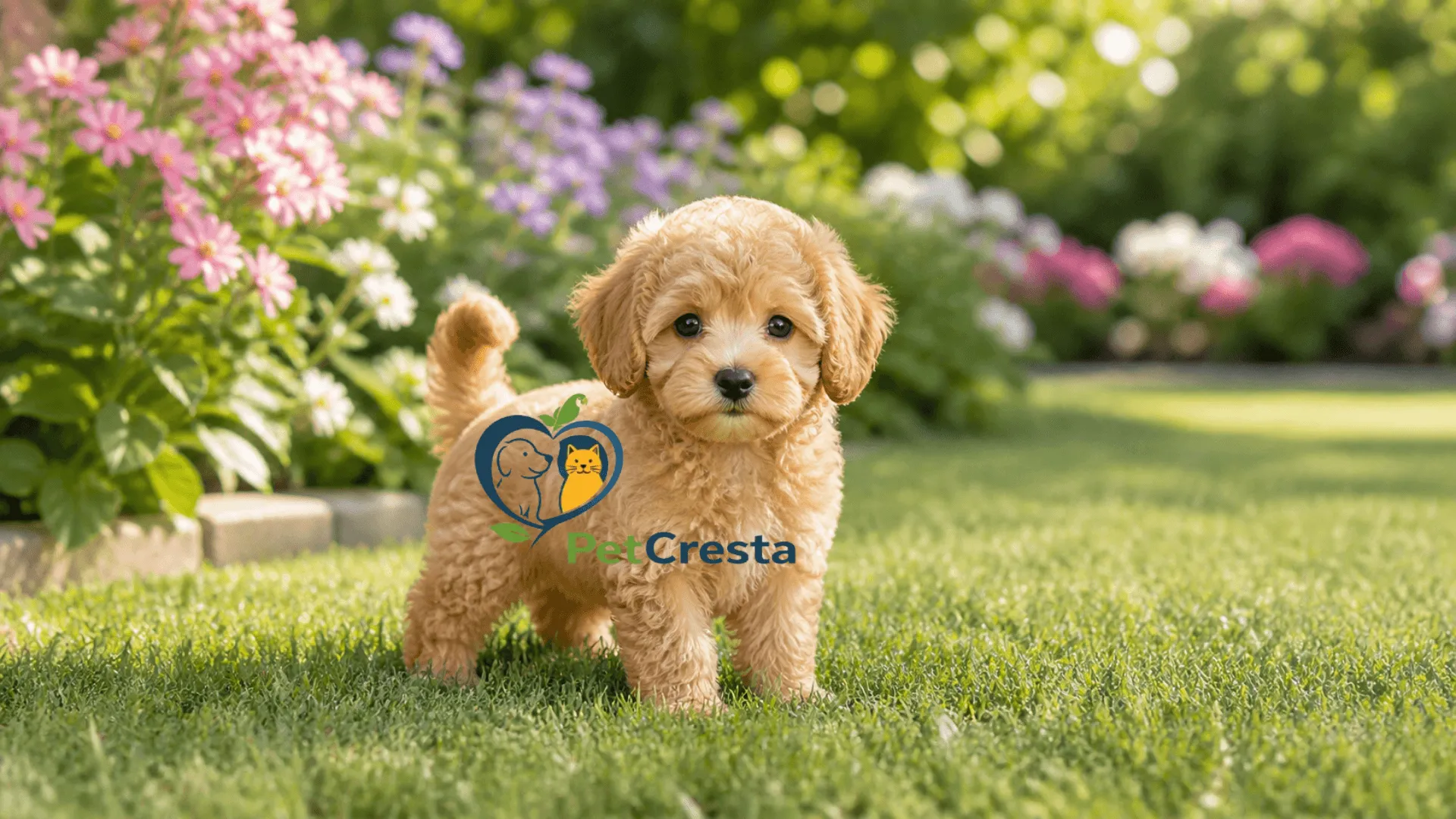
A micro Goldendoodle is marketed as one of the smallest Goldendoodle types, but the label is not standardized. One breeder may use micro, while another may use petite, toy, or micro mini for a very similar adult dog. That is why this topic can feel more confusing than it should.
This guide focuses on the details that matter in real life: size, cost, grooming, training, health watchpoints, and household fit. The goal is to help readers judge this dog clearly, not just react to the smallest puppy in a photo.
TL;DR: Is This the Right Fit For You?
| Good fit | Poor fit |
|---|---|
| Smaller homes | Homes wanting a very low-maintenance dog |
| Owners are comfortable with grooming | Rough handling from very young children |
| People wanting a companion-focused dog | Households away for long hours every day |
| Families are ready for routine training | Buyers focused only on the tiny size |
For the right home, this can be an affectionate and highly enjoyable companion. The best match is a household that values temperament and care quality as much as size.
Micro Goldendoodle Size And Cost At A Glance
| Detail | What to expect |
|---|---|
| Commonly marketed weight range | Often about 10 to 25 pounds |
| Commonly marketed height range | Often under 14 inches |
| Why size varies | Parent size, generation, sex, and breeder labeling |
| Common purchase range | Often about $2,500 to $5,000 |
| What matters more than the label | Parent weights, height estimates, past litters, written size range |
These numbers are best treated as breeder-market ranges, not guarantees. A written adult estimate backed by parent size and earlier litter outcomes is more useful than a marketing label alone.
Micro Goldendoodle At A Glance
| Trait | What to expect |
|---|---|
| Adult weight | Often about 10 to 25 pounds, though labels vary |
| Adult height | Commonly under 14 inches |
| Lifespan | Often in the low to mid-teen years |
| Shedding | Often light, but not absent |
| Grooming load | Regular home care plus professional grooming |
| Trainability | Usually responsive and eager |
| Barking tendency | Moderate, depends on routine and training |
| Apartment fit | Often strong if exercise and enrichment are consistent |
| Family fit | Best in homes with gentle handling |
| Cost level | Premium purchase price plus steady upkeep |
This version answers the query faster and aligns better with what ranking pages surface near the top.
Quick Answer: What Is A Micro Goldendoodle?
A Goldendoodle is a very small Goldendoodle type, usually marketed to fall below the usual mini range. In many breeder programs, adults are described as about 10 to 25 pounds and often under 14 inches tall, though some pages place them closer to 15 to 24 pounds. The important point is that micro is a breeder label, not a formal breed standard, so parent size and past litter outcomes matter more than the name alone.
What The Micro Label Means
The word micro is usually a breeder label rather than a fixed standard. Some programs use it for dogs at the very small end of the Goldendoodle size range, while others use overlapping terms such as micro mini, petite, or toy. That is why two pages can use different labels for dogs that end up close in adult size.
Most very small Goldendoodles are produced by bringing smaller Poodle lines into the breeding plan and selecting for compact size over more than one generation. Early crosses can be less predictable, while later multigenerational lines may show more consistency in coat and adult size. The goal should not be the smallest possible dog at any cost. Sound structure, steady temperament, and responsible health planning matter more than chasing an extreme number.
| Term | Plain meaning | Why it matters |
|---|---|---|
| F1 | First-generation cross | More variation in coat and size |
| F1B | Backcross with more Poodle influence | Often more curl and lower shedding |
| F2 | Two doodle parents from earlier generations | Can vary depending on the line |
| Multigen | Several generations of selective doodle breeding | Often used for better size and coat consistency |
Micro Goldendoodle Full Grown Size
Adult size is one of the main reasons readers search this topic, and it is also where the most confusion appears. The safest approach is to think in ranges, not one exact number.
How Big Do Micro Goldendoodles Get?
Most dogs sold under this label mature as very small companion dogs rather than true toy-sized dogs in every case. Across breeder pages, the most common adult range shown is about 10 to 25 pounds, with many described as standing under 14 inches tall. Some programs place the range slightly narrower, around 15 to 24 pounds. That spread is one reason buyers should think in ranges rather than one promised number.
Parent size, generation, sex, and litter variation all shape the outcome. A good breeder should be able to show parent weights, discuss adult size from earlier litters, and give an expected range in writing. If the answer stays vague, size predictability may be weaker than the label suggests.
| Size checkpoint | What to look for |
|---|---|
| Parent weights | Gives a clearer clue than the label alone |
| Height estimate | Helps judge sturdiness and handling ease |
| Past litter outcomes | Shows whether the breeding line is consistent |
| Written range | More useful than one exact number |
Full Grown Timeline
Most puppies gain height quickly in the first several months. After that, the frame begins to settle, and body fill continues more gradually. Many small companion dogs look near adult size before they are fully mature in muscle, balance, and coat.
A slim young dog may still fill out later, while an overfed puppy may look bigger without having a bigger frame. That is why body condition matters when judging growth.
Simple Growth Diagram
Puppy stage → rapid early growth → near adult height → body fill and mature coat
What Affects Adult Size
Several factors shape the final size.
| Factor | Effect on adult outcome |
|---|---|
| Parent size | One of the clearest clues |
| Generation | Can affect size consistency |
| Sex | Some males mature slightly larger |
| Litter variation | Siblings may not finish the same |
| Body condition | Changes appearance, not true frame size |
How To Judge Breeder Size Claims
Use a simple checklist before trusting a size promise.
☐ Ask for the weight and height of both parents
☐ Ask what earlier litters matured to
☐ Ask for an expected adult range in writing
☐ Ask how the breeder uses terms like micro, petite, and toy
☐ Ask what happens if the adult dog finishes above the estimate
Micro Vs Mini Goldendoodle Vs Toy Goldendoodle
Size labels can blur together, so this comparison helps show the practical difference in everyday ownership.
| Trait | Micro | Mini | Toy |
|---|---|---|---|
| Overall size feels | Very compact | Small but usually sturdier | Tiny, often the most fragile |
| Handling | Needs careful handling | Easier for many families | Highest care around falls and rough handling |
| Apartment fit | Often very good | Also strong | Good in size, but fragility matters |
| Grooming load | Moderate to high | Moderate to high | Moderate to high |
| Family ease | Best with gentle supervision | Often a bit more forgiving | Best in very careful homes |
A reader choosing between sizes should think beyond cuteness. A slightly larger dog can be easier to handle, sturdier with children, and still well-suited to a smaller home. Families who like the Goldendoodle temperament but want a larger and sturdier dog may also want to compare the standard Goldendoodle before choosing a size.
Goldendoodle Micro Temperament, Family Fit, And Barking
This size often attracts people who want a friendly and trainable companion. That reputation can be accurate, but personality still depends on genetics, early socialization, routine, and the individual dog.
Typical Personality
Many are social, engaged, and people-focused. They often enjoy staying close to the household and can learn quickly when training is consistent and reward-based.
They can also be sensitive. A home with harsh correction, chaotic routine, or little daily interaction may bring out clinginess, noise, or stress behaviors.
Are Micro Goldendoodles Good Family Dogs?
They can be very good family companions in homes that handle small dogs gently. Their size often makes them appealing to families, but small bodies are easier to injure than sturdier dogs.
That means supervision matters with toddlers and very active children. A calm family that teaches respectful handling is usually a better fit than a loud home where the dog gets grabbed, dropped, or chased.
Do Micro Goldendoodles Bark A Lot?
Barking varies by the individual dog, but alert barking is common. Some bark at sounds, visitors, or movement outside the home. Others bark more when under-stimulated or anxious.
A steady routine, early training, enough exercise, and enough mental activity can reduce nuisance barking. Size alone does not decide noise level.
Apartment And Small Home Fit
This type often fits apartment life well because the body size is compact and the exercise needs are manageable. The mistake is assuming that a small dog needs no real activity.
A bored small dog can still become noisy, restless, or destructive. Smaller space works best when the dog gets routine walks, play, training, and predictable quiet time.
Coat, Shedding, Allergies, And Colors
The coat is one of the main reasons this dog draws attention. Many people hope for a soft, low-shedding companion, but coat reality is more complex than a simple label.
Common Coat Types
Three coat patterns are most common.
| Coat type | How it looks | Care load |
|---|---|---|
| Curly | Tighter curl and fuller coat | Highest brushing and mat prevention |
| Wavy | Loose fleece look | Moderate to high grooming |
| Straighter | Softer wave or flatter coat | May shed more, still needs care |
A curly coat often drops less hair around the home. It also tends to tangle faster and needs more regular brushing.
Do Micro Goldendoodles Shed?
Many shed lightly, especially when there is more Poodle influence in the coat. Still, light shedding does mean no shedding. Some shed more than buyers expect, especially when the coat is looser or straighter.
The useful tradeoff to remember is simple. Less loose hair in the house often means more coat work on the dog.
Are They Hypoallergenic?
No dog is truly hypoallergenic. Some people do better with a lower shedding coat because there is less loose hair and dander spread, but sensitivity varies from one person to another.
Anyone with significant allergies should spend time around similar dogs before making a decision. Coat type can help, but it does not remove the possibility of a reaction.
Common Coat Colors And Patterns
Common colors include cream, apricot, red, and other light to medium shades, with some lines also producing patterns. Color changes appearance, but not the daily care load. Grooming time, mat prevention, and coat maintenance matter far more than shade.
Grooming And Daily Care
Daily and weekly care are where this dog becomes either a very pleasant companion or a frustrating one. The key is routine.
Brushing And Coat Maintenance
Most need regular brushing to prevent tangles and hidden mats. Trouble spots often appear behind the ears, under the collar, in the armpits, on the legs, and around friction areas.
A slicker brush followed by a metal comb helps confirm the coat is fully worked through. Quick surface brushing is rarely enough once the coat length increases.
Bathing And Professional Grooming
Bathing should be done with dog-safe products and followed by thorough drying. A damp coat left thick and soft can tighten into mats quickly.
Professional grooming is often needed every six to eight weeks, depending on coat type and desired length. A longer teddy-style coat looks soft and full, but it also demands more upkeep.
Ear, Nail, And Dental Care
Floppy ears hold moisture more easily, so routine checks are useful. If the ears smell bad, look red, or trigger scratching, a veterinary exam may be needed.
Nails should stay short enough to keep walking comfortable. Dental care matters too, especially in smaller mouths where plaque can build up quickly if tooth brushing is ignored.
Feeding And Portion Control
Small dogs can gain excess weight quickly because even a few extra treats can shift calorie balance. That added weight puts more strain on joints and makes activity less comfortable.
A complete diet matched to life stage, body condition, and activity level is the goal. Measuring food and watching treat size are simple habits that protect long-term health.
Exercise And Mental Enrichment
This dog does not need extreme exercise, but it does need regular activity. Short walks, indoor play, training games, and food puzzles are often enough when done consistently.
Mental work matters as much as walking. A dog that uses its brain is often calmer, easier to train, and less likely to turn boredom into barking.
Sample daily routine
| Time of day | Example routine |
|---|---|
| Morning | Potty break, short walk, breakfast, brief training |
| Midday | Potty break, puzzle toy, quiet rest |
| Evening | Walk or play session, brushing check, dinner |
| Night | Calm potty trip, settle time, sleep routine |
Weekly Care Checklist
☐ Brush coat thoroughly
☐ Check ears for odor or redness
☐ Check nails
☐ Brush teeth several times
☐ Review body condition and weight trend
☐ Refresh training and enrichment routine
Training And Socialization
A small, bright dog can learn quickly, but good behavior still depends on structure. Reward-based training, calm repetition, and daily routine usually work better than correction-heavy handling. Sensitivity is common in smaller companion dogs, so confidence-building matters as much as obedience.
8 To 12 Weeks
This stage is about routine, confidence, and gentle exposure. Focus on name response, short potty trips, crate comfort, calm handling, and very short training sessions. At this age, small puppies often need bathroom breaks every one to two hours and after waking, eating, drinking, or playing.
3 To 6 Months
This is the best time to build everyday manners. Work on recall, leash habits, sit, wait, polite greetings, grooming, handling, and calm exposure to new places and sounds. Energy rises during this period, so short sessions repeated through the day usually work better than one long session.
6 To 12 Months
Adolescence can bring more distraction and more boundary testing. Keep routines steady, reward calm behavior, and continue leash work, recall, and household manners. A dog that seemed easy at first may become less reliable during this stage, which is normal and easier to manage when the structure stays consistent.
Are Micro Goldendoodles Easy To Train?
Many are responsive, eager to work for rewards, and attentive to their people. That usually makes training easier than with a more independent dog.
Sensitivity matters, though. Harsh correction can damage confidence, while short, clear, reward-based sessions usually build better results.
Potty Training And Crate Training Basics
Small puppies often need more frequent bathroom breaks than owners expect. A routine based on waking, eating, play, and naps helps prevent accidents and speeds learning.
Crate training works best when the crate feels safe and calm, not like punishment. New owners comparing small companion puppies may also find this cavapoo puppy guide useful for early routine, crate comfort, and first week training expectations. Short positive sessions and predictable rest periods make the process smoother.
Leash Training And Confidence Building
Loose leash habits are easier to build early than to fix later. Use short sessions, reward calm walking, and avoid dragging or overcorrecting.
Confidence-building matters just as much. Gentle exposure to new places, surfaces, and sounds helps reduce fear-based reactions later.
Socialization Plan
Good socialization is calm and steady, not overwhelming. The goal is comfort and a positive experience.
☐ Friendly adults
☐ Respectful children
☐ Stable dogs
☐ New floor surfaces
☐ Grooming handling
☐ Carrier or travel crate time
☐ Household sounds and short outings
Health Issues And Veterinary Watchpoints
A very small dog can stay healthy and active for many years, but prevention matters. The most useful health section is not a fear list. It is a guide to what owners should watch and address early.
Common Health Concerns
Smaller doodle types can face issues such as kneecap instability, ear problems, dental crowding, skin irritation, and eye concerns. Weight gain can also become a bigger issue on a small frame because even a little extra weight changes comfort and movement.
Very tiny puppies may need closer attention to eating and energy level, especially during stressful changes. Health screening in the parent dogs remains one of the strongest foundations for reducing preventable risk.
Signs That Need A Veterinary Visit
Use simple observation at home.
| Sign | Why it matters |
|---|---|
| Limping | May suggest joint or injury issues |
| Repeated ear scratching or odor | Can point to infection or inflammation |
| Poor appetite | Important in a small dog with limited reserve |
| Repeated vomiting or diarrhea | Risks dehydration and weakness |
| Sudden drop in energy | Needs timely evaluation |
| Bad oral odor with red gums | Can signal dental disease |
Preventive Care Priorities
A few routines do a great deal of long-term work.
☐ Keep body condition lean
☐ Brush teeth and support oral care
☐ Check ears regularly
☐ Keep the coat free of heavy matting
☐ Schedule routine veterinary visits
☐ Stay current on vaccines and parasite prevention
Micro Goldendoodle Lifespan And Long-Term Care
Many small companion dogs can live well into the teen years when weight, dental health, activity, and preventive care are handled consistently. Genetics still matter, but daily habits shape the quality of life over time.
How Long Do Micro Goldendoodles Live?
Many live in the low to mid-teen range, though individual results vary. A well-bred dog with good weight control, routine dental care, and steady veterinary support has a better chance of healthy aging than a dog with neglected maintenance.
What Supports Healthy Aging
| Support habit | Why it helps |
|---|---|
| Lean body condition | Reduces joint strain and supports mobility |
| Dental care | Lowers chronic oral burden |
| Routine exercise | Protects muscle tone and comfort |
| Regular exams | Finds problems earlier |
| Prompt care for small issues | Prevents avoidable setbacks |
Micro Goldendoodle Price To Buy And Cost To Own
Purchase price gets the most attention, but ownership cost is the number that shapes daily life. A very small doodle type often carries a premium price and steady maintenance expenses.
How Much Does A Micro Goldendoodle Cost?
Purchase price varies widely by breeding program, location, pedigree, coat demand, and how the breeder positions the litter. On competitor pages, common asking ranges run from about $2,500 to $3,500 on the lower end and up to about $3,500 to $5,000 on the higher end. A high fee alone does not prove quality, and a lower fee does not always mean value.
The better question is what supports the price. Clear health testing, realistic size records, thoughtful early socialization, a clear contract, and honest communication matter more than a polished sales page. Buyers should also plan for grooming, food, routine veterinary care, dental care, training support, and an emergency cushion after the purchase price is paid.
First year costs
| Expense area | Common budget pressure |
|---|---|
| Purchase fee | Often, the largest single expense |
| Supplies | Crate, bed, bowls, leash, harness, grooming tools |
| Veterinary basics | Exams, vaccines, preventives |
| Food | Small portions, but quality still matters |
| Grooming | Many buyers underestimate the repeating expense |
| Training | Group classes or private help if needed |
| Emergency cushion | Important for unexpected problems |
Ongoing yearly costs
After the first year, grooming, food, preventive care, dental upkeep, and occasional training support remain the main recurring expenses. These costs are manageable for many homes, but they should be planned rather than treated as an afterthought.
Cheap puppy warning signs
Use caution when several red flags appear together.
☐ Vague size promises
☐ No proof of parent health testing
☐ No adult size history from past litters
☐ Pressure to pay quickly
☐ Unclear contract or return policy
☐ Price used as the main selling point
Should You Get A Micro Goldendoodle
A Goldendoodle can be an excellent fit for smaller homes, apartments, and households that want a companion-focused dog with a soft coat and manageable exercise needs. The best match is a home that can handle regular grooming, steady training, gentle handling, and daily interaction.
This type is often less suitable for homes wanting a very low-maintenance dog, households where the dog will be left alone for long hours every day, or families with rough handling from very young children. A slightly larger doodle or another sturdier companion breed may fit better when durability matters more than very small size.
Use this quick self-check before deciding:
☐ The home can handle regular grooming costs
☐ Someone can provide daily structure and interaction
☐ The household will handle a small dog gently
☐ The budget includes routine care and an emergency cushion
☐ The goal is a good long-term fit, not just the smallest puppy possible
Finding A Reputable Breeder Or Rescue
A careful buying decision protects the dog and the household. This is one of the most important parts of the process.
Questions To Ask A Breeder
| Question | Why it matters |
|---|---|
| What do the parents weigh, and how tall are they | Helps judge real size potential |
| What health testing has been done | Supports long-term planning |
| What did earlier litters mature to | Shows consistency |
| How are puppies socialized | Affects the early behavior foundation |
| What does the contract cover | Protects both sides |
Some breeders also use labels such as teacup goldendoodle, toy, or petite, but those terms are not standardized and should not replace a realistic adult size estimate
Red Flags
A tiny size claim should not be the main appeal. Watch for poor documentation, vague answers, pressure to reserve quickly, and no clear record of past adult sizes.
A polished website is not the same as transparent breeding. Honest records and clear communication matter more.
Rescue And Adoption Reality
Very small doodle types can be harder to find in rescue because demand is high and the label is heavily marketed. Even so, rescue groups and local networks are still worth checking.
A family open to a slightly older dog may find a good match more often than a family focused only on a very young puppy.
Bringing A Goldendoodle Home
A smooth first week lowers stress and helps training start well.
Home Setup
☐ Crate
☐ Safe sleep area
☐ Bowls
☐ Harness and leash
☐ Grooming tools
☐ Puppy safe chews and enrichment toys
☐ Cleaning supplies for accidents
First Week Priorities
☐ Set a feeding schedule
☐ Set a potty routine
☐ Keep introductions calm
☐ Start short positive training sessions
☐ Book the first veterinary visit if needed
☐ Protect sleep and quiet time
Comparisons With Other Small Companion Dogs
Comparison sections help readers choose without drifting away from the main topic. The goal is not to turn it into several different breed guides. Readers comparing very small doodle companions may also want to review the micro bernedoodle, especially if they are deciding between Goldendoodle and Bernedoodle traits.
Micro Goldendoodle Vs Cavapoo
A Cavapoo often appeals to readers who want a small companion with a soft expression and social nature. Grooming can still be significant in both, but the overall style of energy and sensitivity may feel different depending on the line. If coat type and lower shedding are major concerns, comparing this dog with an F1b cavapoo can help readers understand how backcross breeding may affect curls, grooming, and shedding expectations.
Micro Goldendoodle Vs Maltipoo
A Maltipoo may appeal to readers wanting an even more companion-centered small dog. The tradeoff can be a different pattern of sensitivity, barking tendency, and coat maintenance. Buyers attracted to very small companion dogs should also compare the teacup maltipoo, especially because the tiny size can change handling, training, and daily care needs.
Micro Goldendoodle Vs Mini Goldendoodle
A mini often offers more sturdiness while keeping much of the same general appeal. For some families, that slight increase in size improves handling ease without changing lifestyle too much.
Conclusion
A Goldendoodle can be a rewarding companion, but the label should never make the decision on its own. Size ranges, grooming needs, training commitment, health planning, and household fit all matter more than a catchy breeder term.
The strongest buying decision comes from realistic expectations. A dog that suits the home well will usually bring more long-term satisfaction than one chosen only for being the smallest available puppy.
FAQ’s
It is another label often used for a very small Goldendoodle. In many breeder programs, it overlaps heavily with micro, petite, or toy-style language. The wording matters less than the adult-sized evidence behind it.
Most need steady brushing at home and professional grooming every four to eight weeks, depending on coat type and length. Curly and fuller coats usually need more maintenance, while looser coats may shed more.
They often do well in apartments because of their compact size, but that does not mean they are maintenance-free. Smaller homes usually work well when the dog still gets daily walks, training, enrichment, and quiet structure.
Ask for the weight and height of both parents, adult outcomes from earlier litters, and an expected range in writing. Clear records are more useful than labels such as micro, petite, or toy.
That depends on lifestyle more than appearance. This type can be an excellent choice for a smaller home that wants an affectionate companion and can keep up with grooming, training, and daily interaction. It may be the wrong fit for anyone wanting a very low-maintenance dog.
It may be a good fit if the household can handle regular grooming, careful handling, and a steady routine. It may be a poor fit if the home is very busy, very rough, or unable to support the ongoing maintenance that a small doodle coat usually requires.
They can be worth it for the right home, especially for people who value compact size, companionship, and a softer shedding profile. The key is choosing based on the full picture, not just the tiny puppy stage. Grooming, cost, and realistic size expectations should all be part of the decision.
References
- Crockett Doodles, Micro Mini Goldendoodle
Micro Goldendoodle Litter - Serene Canyon Doodles, The Micro Goldendoodle
The Ultimate Guide to Micro Goldendoodles - Goldendoodles.net, Micro Mini Goldendoodle
Micro Mini Goldendoodle - Goldilocks Goldendoodles, Micro Goldendoodle Puppies
Goldilocks Goldendoodles - Cedar Doodles, Micro Mini Goldendoodle Grooming Guide
Micro Mini Goldendoodle Grooming Guide - Premier Pups, Mini Goldendoodle Training Guide
Mini Goldendoodle Training Guide - Rafter E Pups, Raising a Micro Goldendoodle Tips for Owners of Miniature Pups
Raising a Micro Goldendoodle: Tips for Owners of Miniature Pups