Dog Skin Tag on Mouth: Symptoms, Diagnosis, and Vet Treatment Guide
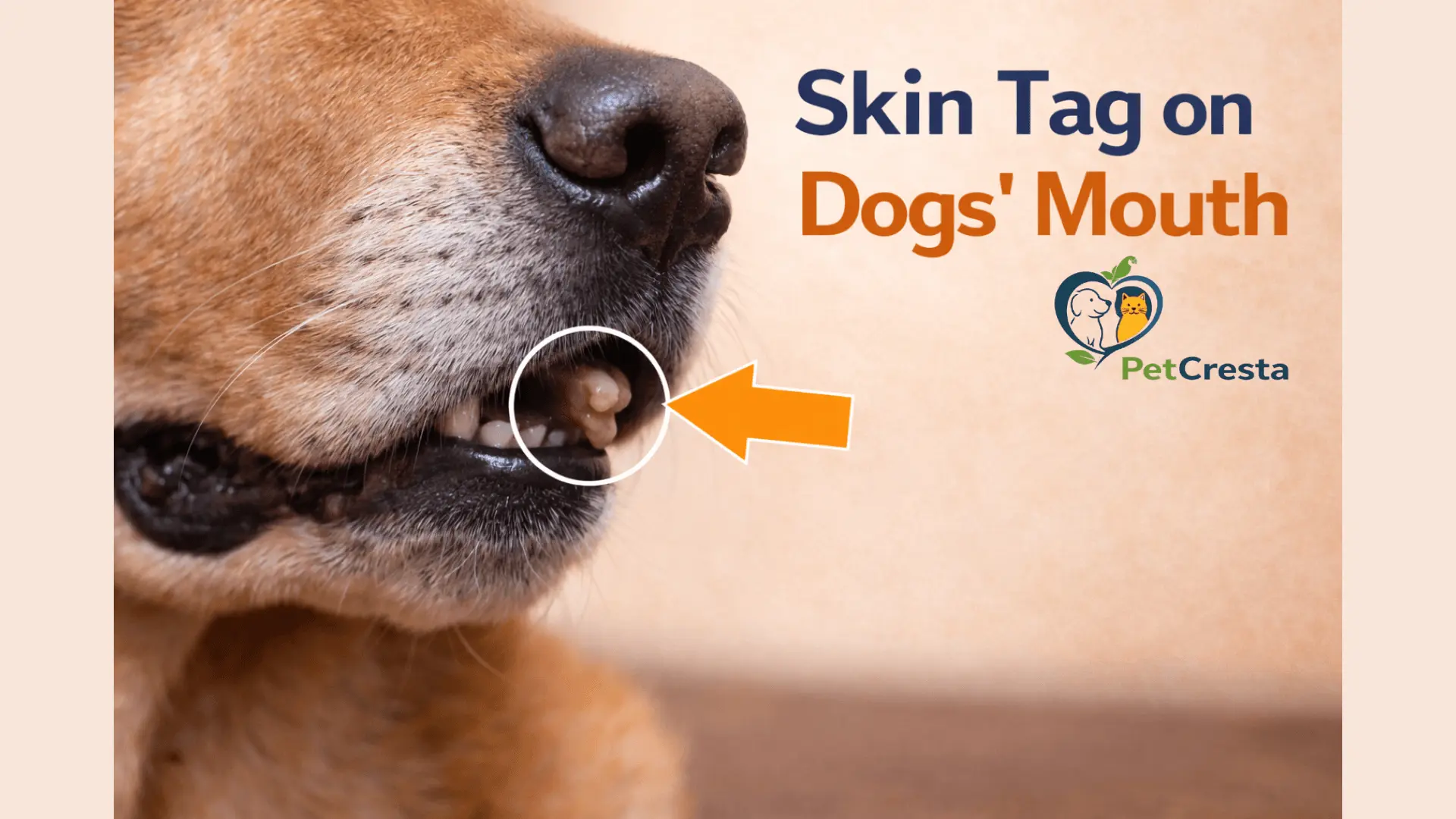
A skin tags on dogs mouth can look harmless at first. Sometimes it is a benign skin tag. In other cases, it may be a wart, an oral papilloma, or another type of mouth mass.
That is why the exact location matters. A lesion on the skin around the mouth is different from one on the edge of the mouth or inside the mouth.
This guide explains what to look for, what signs raise concern, and how diagnosis and treatment usually work.
Quick Verdict: Is A Growth On A Dog’s Mouth Likely To Be A Skin Tag?
A dog skin tag on mouth can be a true skin tag, but that is not always the case. This area often includes other lookalikes such as warts, oral papillomas, and mouth masses, so a visual guess can be misleading.
A soft, flesh colored, slow-changing bump on the outer skin near the mouth is often less concerning. A lesion that is bleeding, growing quickly, ulcerated, painful, or sitting on the edge of the mouth or inside the mouth should be checked by a veterinarian.
Dog Mouth Growth At A Glance
This table helps separate a likely benign tag from common lookalikes.
| Feature | Likely skin tag | Likely wart or papilloma | Possible oral mass |
|---|---|---|---|
| Texture | Soft, flexible | Rough, uneven, sometimes firmer | Variable, may feel firm or irregular |
| Shape | Small flap or dangling tag | Fingerlike, rounded, or cauliflower-like | Lump, plaque, swelling, or irregular mass |
| Base | Often, a narrow stalk | Often, a broader base or clustered | May have a broad or deep attachment |
| Color | Flesh colored or slightly darker | Pink, pale, white, or mixed | Pink, red, dark, or unevenly pigmented |
| Speed of change | Usually slow | Can appear faster and may multiply | May enlarge steadily or quickly |
| Common location | Skin around the mouth | Mouth edge, lips, oral tissues | Mouth edge, gums, tongue, palate, inner cheek |
| Bleeding | Usually, only if rubbed | Can bleed if irritated | Bleeding is more concerning |
| Pain | Often none unless traumatized | Mild irritation possible | Pain or chewing discomfort may occur |
| Contagious risk | No | Viral papillomas may spread in some dogs | No |
| Vet concern level | Lower if stable | Moderate, needs identification | Higher, especially if changing or inside the mouth |
What Is A Skin Tag On A Dog’s Mouth?
A skin tag on a dog’s mouth is usually a small, benign overgrowth of skin tissue that may look soft, slightly raised, or attached by a narrow stalk. It is most often seen on the skin around the mouth rather than deeper inside the mouth.
The main challenge is that many owners use the term skin tag for any small mouth growth. Some bumps in this area are actually papillomas, wart-like lesions, or other masses, which is why location, texture, and change over time matter. For a broader overview of how these growths are identified and treated across the body, see skin tags on a dog.
Where The Growth Is Matters
The same-looking bump can carry a different meaning depending on where it sits. Sensitive areas can behave differently, which is also true with skin tags on a dog’s eyes, where irritation and nearby tissue involvement matter more.
Around The Mouth
A lesion on the skin around the mouth can fit the pattern of a benign skin tag more easily than a lesion deeper in the mouth. These may appear as small, soft, flesh colored growths on the nearby facial skin.
Even so, the area gets rubbed often. Drool, grooming, chewing, and scratching can keep even a minor lesion irritated and make it look worse than it is.
Mouth Corner Or Mouth Edge
The mouth corner and edge are more complicated. This transition area includes skin and mucosal tissue, so several lesion types can look similar here.
Papillomas and other mouth edge growths often show up in this zone. A rough surface, broad base, or clustered appearance makes a simple tag less likely. If the growth sits directly on the lip margin rather than the surrounding skin, the more focused guide on skin tags on a dog’s lip may be helpful.
Inside The Mouth
A lesion inside the mouth needs a lower threshold for veterinary care. Growths on the gum, inner cheek, palate, tongue, or inner lip may still be benign, but they should not be handled like ordinary surface tags.
If there is drooling, bad breath, bleeding, mouth rubbing, pain, chewing trouble, or facial swelling, the concern level rises quickly.
What A Skin Tag Near A Dog’s Mouth Usually Looks Like
Appearance can guide the next step, even though it cannot confirm the diagnosis.
Features That Fit A Benign Looking Tag
A less concerning lesion often feels soft and flexible. It may be flesh colored or just slightly darker than the nearby skin.
It is often small, attached by a narrow stalk or a small base, and slow to change. Many dogs ignore it unless it gets rubbed during eating or grooming.
Features That Do Not Fit A Simple Skin Tag
Some features make a simple tag less likely. These include a thick base, rough or cauliflower-like surface, repeated bleeding, ulceration, dark pigment change, or fast growth.
A new lesion that appeared quickly, especially if it is on the edge of the mouth or inside the mouth, deserves more caution from the start.
Types: Common Mouth Growths, Owners Call Skin Tags
Many owners use the word skin tag for any small growth in this area. Several different lesions can fit that loose description.
True Skin Tags
A true skin tag is a benign overgrowth of skin tissue. It is often soft, may hang from a stalk, and is not contagious.
Some stay unchanged for a long time. If they remain small and do not bother the dog, they may not need treatment.
Warts And Oral Papillomas
Oral papillomas are wart like growths caused by canine papillomavirus. They often affect the mouth edge, lips, and oral tissues.
These lesions may look fingerlike, filamentous, or cauliflower like rather than smooth and dangling. They are often seen in younger dogs, and some regress on their own when they are few and not causing trouble.
Other Mouth Masses
Not every lesion in this area is a skin tag or papilloma. Some are other benign masses, while others need more careful testing.
This is why location and change over time matter so much. A lesion inside the mouth, one that bleeds easily, or one that grows quickly, should not be treated as a harmless tag without an exam.
Causes: Why A Dog May Get A Skin Tag Or A Skin Tag-Like Growth On The Mouth
The cause depends on the tissue involved and the type of lesion present.
Friction And Repeated Irritation
The mouth area is constantly moving. Chewing, lip folding, grooming, licking, drooling, and rubbing against toys or bowls can all add repeated friction.
That ongoing irritation may contribute to some benign skin growths. It can also make a mild lesion look inflamed and more dramatic.
Age Related Skin Changes
Benign growths become more common as dogs get older. A small lesion near the mouth in a senior dog may still be harmless, but age alone should not be used as the explanation.
Older dogs are simply more likely to develop lumps of many kinds, which makes proper observation more important.
Viral Papilloma Pattern
Papillomas often appear faster than classic skin tags and may occur in younger dogs. They can affect the mouth edge, outer mouth area, and oral tissues.
If a lesion appeared suddenly, looks wart-like, or seems to be multiplying, papilloma becomes a stronger possibility.
Skin Tag On Dog’s Mouth Vs. A Tumor
This section is about triage, not home diagnosis. The goal is to recognize when a lesion no longer fits the lower concern pattern.
When The Lump Is More Likely Benign
A less worrying lesion is often small, soft, stable, and limited to the outer mouth area. It is not bleeding on its own, does not look ulcerated, and does not seem painful.
Dogs with this type of lesion usually eat normally and do not keep pawing or rubbing at the area. A small stable mouth lesion may still need more caution than a similar growth on a lower friction site, such as a skin tag on a dog’s leg.
When The Lump Needs A Workup
The need for testing increases when the lesion grows quickly, darkens, ulcerates, bleeds, or causes pain. Drooling, bad odor, facial swelling, mouth rubbing, or chewing trouble also make a simple tag less likely.
A mass inside the mouth deserves a more cautious workup than a stable flap on the outer skin near the mouth.
When To Watch It And When To See A Vet
Not every lesion is urgent, but some should not be left alone.
Reasonable To Monitor
A lesion may be reasonable to monitor when it is tiny, soft, stable, clearly on the outer skin near the mouth, and the dog ignores it.
Monitoring still means recording size, color, surface, and weekly change. It does not mean forgetting about it.
Book A Vet Visit Soon
A visit should be booked soon if the growth changes in size, color, or shape. Redness, discharge, repeated licking, chewing irritation, bleeding after rubbing, or a new lesion in an older dog also belong in this category.
The same is true for any mouth edge lesion where the appearance is hard to interpret.
Get Seen More Urgently
Urgent care is more appropriate when there is significant bleeding, sudden swelling, obvious pain, trouble eating or drinking, or rapid enlargement over a short time.
The concern also rises if the lesion is inside the mouth and the dog seems generally unwell. Some body locations deserve a lower threshold for veterinary evaluation, which is also true for a skin tag on dogs nipple because nearby tissue can change the concern level.
How Vets Diagnose A Growth On Dog Mouth Skin Tag
Diagnosis usually starts with location and appearance, then moves to testing when needed.
Physical Exam
The first step is a careful examination of the lesion and the surrounding tissues. The vet checks whether the lesion is on the outer skin, the mouth edge, or inside the mouth.
Texture, color, ulceration, attachment, and local irritation all help guide the next step.
Fine Needle Aspiration
A fine needle aspiration may be used for some masses to collect cells for review. This can help when a lesion does not clearly fit the pattern of a simple benign tag.
It may not answer every case, but it often helps narrow the possibilities.
Biopsy And Pathology
A biopsy is more important when the lesion is suspicious, fast-growing, ulcerated, pigmented, or located inside the mouth. Pathology provides the clearest information about what tissue is present.
This is often the step that turns uncertainty into a diagnosis.
Skin Tag On Dogs Mouth: Treatment Options
Treatment depends on what the lesion is, where it sits, and whether it is causing trouble.
Monitoring Only
If the lesion stays stable and the vet is comfortable that it behaves like a benign growth, monitoring may be enough. This is more common for a small outer mouth skin lesion that is not bleeding or interfering with normal behavior.
A photo log and routine checks make monitoring safer and more useful.
Skin Tag On Dogs Mouth Surgical Removal
Dog skin tag Mouth Removal is often chosen when the growth gets rubbed during eating, keeps bleeding, seems uncomfortable, or needs tissue diagnosis. A true tag can often be cured with complete removal.
Some small lesions are still removed because the area is easy to traumatize.
Treatment Depends On The Lesion Type
A true skin tag may only need monitoring or simple removal. A papilloma may be watched in select cases or treated if it persists or interferes with normal function.
A suspicious mouth mass may need biopsy, wider removal, or further planning. The same appearance does not always lead to the same treatment.
What Not To Do At Home
Home removal can make a mild problem worse very quickly.
Do Not Cut It Off
Cutting a lesion at home can cause pain, bleeding, infection, and damage to sensitive tissue. It can also remove the chance to test the growth properly.
The biggest risk is not only the wound. It is removing the wrong thing without knowing what it was.
Do Not Tie, Burn, Or Use Random Remedies
The mouth area is moist, sensitive, and easy for a dog to lick. Home products can worsen irritation and may be swallowed.
Burning or tying off a lesion can turn a manageable growth into a painful, inflamed site that is harder to examine.
If It Is Bleeding, Growing, Or Being Licked
Behavior and change over time often matter as much as the lesion’s shape. Repeated rubbing and self-trauma can keep a lesion inflamed, similar to what happens with a skin tag on a dog’s ear when scratching keeps reopening the area.
Bleeding After Rubbing Or Chewing
A mouth area lesion is easy to traumatize, so some bleeding can happen after rubbing. Repeated bleeding is different. It means the lesion is not staying calm and may need treatment or testing.
Bleeding without obvious trauma is more concerning.
Dog Keeps Licking The Site
Constant licking can keep the area inflamed and may suggest irritation, itchiness, or pain. It also raises the chance of secondary trauma.
A dog that will not leave the lesion alone usually needs an exam sooner.
Fast Growth Changes The Plan
A fast-growing lesion near the mouth should not be assumed to be a simple tag. Rapid change is one of the clearest reasons to stop monitoring and move toward diagnosis.
In many cases, speed of change matters more than size alone.
Can It Fall Off Or Go Away On Its Own
Some lesions seem smaller later or disappear after trauma. That can happen, but it does not answer what the lesion was.
True Skin Tag
A small irritated tag can sometimes detach after rubbing or chewing. That does not prove it was harmless, and it does not guarantee it will not return.
The area still needs to be watched for poor healing or regrowth.
Papilloma
Some papillomas can regress on their own, especially when lesions are few and the dog is otherwise well. This pattern is more common in younger dogs.
A lesion that spreads, persists, bleeds, or interferes with chewing should still be checked.
What To Do If It Comes Off
Keep the site clean, prevent further rubbing, and watch for continued bleeding, swelling, foul odor, or delayed healing. If the lesion comes back or the area looks abnormal, schedule a visit.
A detached growth does not replace a diagnosis.
Skin Tag On Dogs Mouth Cost And Recovery
Treatment costs vary more by complexity than by the name of the lesion alone.
What Removal Cost Depends On
The final cost depends on the exam, size of the lesion, exact location, need for sedation or anesthesia, number of lesions, and whether tissue is sent for pathology.
A simple outer mouth removal is usually more straightforward than a lesion on the mouth edge or inside the mouth.
| Cost factor | Why does it change the estimate |
|---|---|
| Exam and diagnostics | Determines whether testing is needed before removal |
| Location | Mouth edge and oral tissue are more delicate |
| Size and depth | Larger or broader-based lesions take more planning |
| Sedation or anesthesia | Needed more often for mouth procedures |
| Pathology | Adds value when the diagnosis is uncertain |
| Aftercare | Medication, follow-up, and healing support may add cost |
What Recovery May Involve
Recovery often includes keeping the site clean, limiting chewing, and using prescribed pain relief or anti-inflammatory medication if needed. Some dogs also need soft food for a short time after removal.
The mouth area moves constantly during eating and grooming, so even small procedures may need careful aftercare.
Recovery Timeline
Minor removals may settle fairly quickly, while deeper or oral tissue procedures can take longer and may need closer follow-up. Healing time also depends on whether the lesion was simple and superficial or required a larger excision.
The most useful recovery question is not just how long it takes, but how the dog is eating, licking, and healing during that period.
Monthly Monitoring Checklist
A short tracking routine can make it easier to notice meaningful change.
What To Record
☑ Date first noticed
☑ Exact location
☑ Size
☑ Color
☑ Surface texture
☑ Bleeding or discharge
☑ Licking or rubbing
☑ Change in eating
☑ Change in drooling
☑ Any weekly growth
How To Track It Well
Take a clear photo from the same angle and under the same light. Compare weekly at first, then monthly if it stays unchanged.
A written note plus a photo is much more useful than memory alone.
Simple Monitoring Diagram
Notice Lesson➡Take Photo➡Record Size, color, and surface➡Compare weekly➡Book an exam if changing
Prevention And Reducing Irritation
Not every growth on dog Mouth can be prevented, but irritation can sometimes be reduced, and changes can be noticed earlier.
What May Help
Routine checks of the mouth area can help identify a lesion before it becomes more irritated. Keeping moisture-prone folds cleaner, reducing repeated rubbing where possible, and staying current with veterinary care can all help.
Observation is often more realistic than prevention.
What Prevention Cannot Do?
Prevention does not guarantee that a tag, papilloma, or other growth will never develop. The goal is earlier recognition and less repeated trauma, not a promise that lesions will not appear.
This is especially true in older dogs, where benign and non-benign growths both become more common.
Conclusion
A growth on dog Mouth skin tag may be a harmless skin tag, but this is not an area to take lightly. The mouth region is easy to traumatize, and several other lesions can look similar at first glance.
A stable outer mouth lesion may be watched with care, but anything growing, bleeding, painful, rough-surfaced, or partly inside the mouth should be examined. Calm observation, photo tracking, and timely veterinary care are the safest path.
FAQ’s About Skin Tag on Dog Mouth
A skin tag is usually a small, benign overgrowth of skin tissue that may feel soft and can hang from a narrow stalk. Near the mouth, the challenge is that not every small growth is a true tag. The exact location, surface texture, and rate of change help separate a likely tag from other mouth lesions.
Many are not dangerous when they stay small, stable, and uninflamed. The mouth region needs more caution because licking, chewing, moisture, and rubbing can keep a lesion irritated. Some bumps in this area also turn out to be papillomas or other masses rather than a simple benign tag.
Possible reasons include repeated friction, age-related benign skin changes, papilloma, or another mouth mass that happens to resemble a tag. The cause depends on whether the growth is on the outer skin, the mouth edge, or inside the mouth. That is why broad guessing from appearance alone is not very reliable here.
A small irritated tag can sometimes detach after rubbing or chewing, and some papillomas may regress over time. That still does not confirm what the lesion was. The area should be watched for bleeding, swelling, infection, poor healing, or regrowth, and any abnormal change should prompt a veterinary visit.
A visual check at home cannot confirm that. More concerning signs include rapid growth, dark color change, ulceration, repeated bleeding, bad odor, pain, drooling, facial swelling, or trouble eating. A veterinary exam, and sometimes sampling or biopsy, is the reliable way to learn what tissue is present.
Concern should rise when the lesion changes quickly, bleeds, becomes painful, looks ulcerated, or sits partly inside the mouth. A tiny stable flap on the outer skin may be less urgent, but it still deserves monitoring. The lower the confidence in its appearance, the lower the threshold should be for an exam.
No. Home removal can cause pain, significant bleeding, infection, and injury to delicate tissue. It can also remove the chance to identify what the lesion actually was. That matters because not every small mouth growth is a harmless skin tag, even when it first appears that way.
Yes, especially if the lesion is new, changing, bleeding, or close to or inside the mouth. A small stable outer lesion may not be an emergency, but it is still worth discussing. The closer the lesion is to oral tissue, the more useful a proper exam becomes.
No. A skin tag is a benign flap of skin tissue, while papillomas are wart-like lesions often linked to papillomavirus. They can look similar to owners at first, especially around the mouth. Surface texture, shape, number of lesions, and the dog’s age can help raise suspicion, but testing is sometimes needed.
The cost depends on the exam, exact location, lesion size, whether sedation or anesthesia is needed, and whether tissue is sent for pathology. A simple surface removal is usually less involved than a procedure at the mouth edge or inside the mouth, where tissue is more delicate and recovery needs more support.
Healing time varies with the lesion type and the procedure performed. A small surface removal may settle fairly quickly, while a deeper or oral tissue procedure may need more time, soft food, and closer monitoring. Recovery is shaped by how much the dog licks, chews, or rubs the area afterward.
References
- Purina, Skin Tags on Dogs: How to Identify and Treat Them
- Bond Vet, Dog Skin Tags: What They Are and What to Do About Them
- Hill’s Pet, Dog Skin Tags: Facts, Causes and Diagnosis
- Dogster, Dog Wart vs Skin Tag: Vet Reviewed Differences Explained
- MSD Veterinary Manual, Oral Papillomas in Dogs
- PetMD, Oral Masses in Dogs