Dog Skin Tag on Elbow: Symptoms, Diagnosis, and Vet Treatment Guide
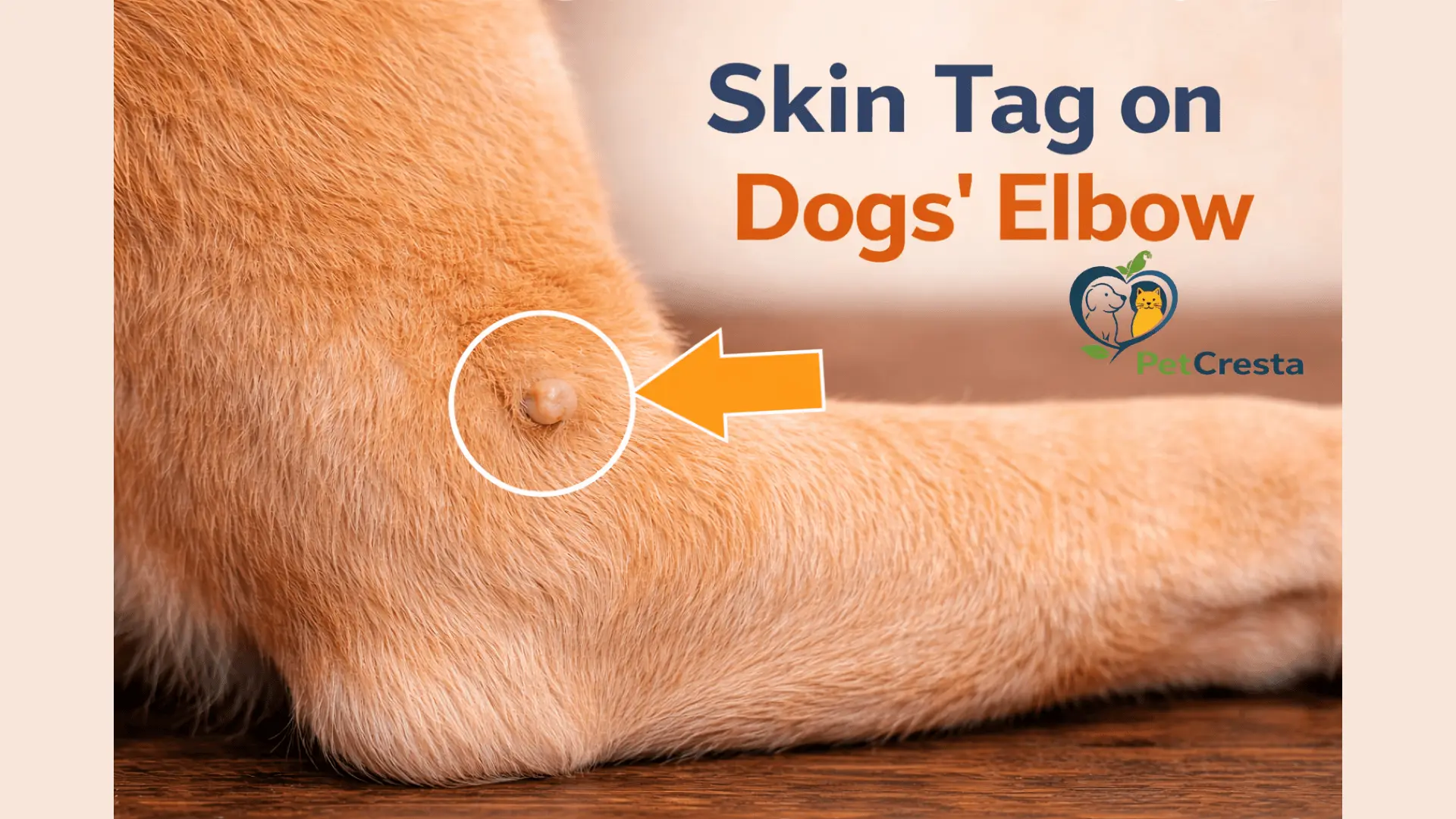
Skin tags on dogs elbow can look simple at first. In some cases, it is a skin tag. In other cases, it may be an elbow callus, a hygroma, a pressure sore, or another kind of lump that needs a different plan.
The elbow is not an ordinary skin site. It is a pressure point that takes repeated friction from lying down, getting up, and resting on hard floors. That is why elbow growths deserve a more careful look than a similar bump on a low-friction area.
Quick Answer: Dog Skin Tag On Elbow
A skin tag on a dog’s elbow may be a small, soft, surface growth that stays stable for a long time. Still, the elbow is a high-pressure area, so a tag-like bump may also be a callus, a hygroma, a pressure sore, or another mass.
If the growth is small, soft, and unchanged after a veterinary exam, monitoring may be enough. If it starts bleeding, grows quickly, looks inflamed, becomes painful, or keeps getting licked, a vet visit should move higher on the list.
Skin Tag on Dogs’ Elbow: Characteristics at a Glance
The table below helps separate common elbow growth patterns. It is useful for orientation, but it does not replace an exam.
| Feature | Skin tag pattern | Elbow callus pattern | Elbow hygroma pattern | More concerning pattern |
|---|---|---|---|---|
| Feel | Soft or slightly firm | Thick, rough, hard skin | Soft, fluid-like swelling | Firm, fixed, irregular |
| Position | On the skin surface | Flat over the pressure point | Under the skin over the elbow point | May feel deeper or attached |
| Shape | Small bump or stalk-like growth | Plaque-like patch | Rounded swelling | Uneven or fast-changing |
| Surface | Smooth or slightly textured | Dry, hairless, cracked | Usually, smooth skin over swelling | Ulcerated, crusted, bleeding |
| Common trigger | Friction, irritation, and age | Hard floors, pressure | Repeated trauma to the elbow | Varies |
| Usual concern level | Low if stable | Moderate if cracked or sore | Moderate to high if growing | Higher |
Skin Tag Pattern
A true skin tag often looks like a small surface growth. It may be flesh colored, pink, brown, or dark. Some are attached by a narrow base, while others look like a slightly raised bump rather than a hanging tag.
Many benign tags stay the same for a long time. Trouble usually starts when the spot gets rubbed, scratched, or repeatedly pressed against the floor.
More Concerning Pattern
Some elbow growths deserve faster attention. A lump that is firm, fixed, fast growing, deeply attached, ulcerated, or bleeding without obvious trauma is less reassuring.
These changes do not prove cancer, but they do mean the lesion should not be treated like a simple, harmless tag at home.
What Are The Causes of Skin Tags on a Dog’s Elbow
Several factors can contribute to a tag-like growth on the elbow. The elbow is a unique body site because it takes daily pressure, repeated contact, and constant movement.
That combination makes it easier for irritation-related skin changes to develop and easier for a small lesion to become inflamed after it appears.
Pressure and friction can affect other weight-bearing areas too, and a skin tag on a dog’s leg covers another location where repeated surface contact matters.
Pressure on Hard Surfaces
Dogs that spend a lot of time on tile, concrete, hardwood, or thin bedding put repeated pressure on the elbow point. That pressure can contribute to skin thickening, irritation, and repeated trauma in the area.
The elbow takes the force of the resting body weight. Over time, that stress can change how the skin looks and feels.
Repeated Friction and Rubbing
The elbow rubs against the ground whenever a dog lies down, gets up, or shifts position. Even a small surface lesion can be irritated by that repeated motion.
A stable bump may stay quiet for a while, then suddenly look worse after weeks of rubbing on a rough surface. That pattern is common in pressure areas.
Age and Large Body Size
Older dogs are more likely to develop benign skin growths and pressure-related elbow changes. Large and giant breeds also place more force on bony points like the elbows.
Dogs with arthritis or stiffness may spend more time resting in one position. That can increase both pressure and friction at the elbow.
Licking and Scratching
A dog that licks or scratches the area can turn a minor lesion into an inflamed one. This is especially true if the skin is already dry, irritated, or rubbing against the floor.
Licking does not always mean serious disease, but it often signals discomfort. Repeated licking also increases the chance of bleeding and surface breakdown.
Chronic Irritation and Pressure Point Changes
Long-term friction, repeated pressure, and local trauma can all influence what owners notice on the elbow. In some dogs, a benign tag-like growth may develop. In others, pressure-related thickening or swelling may be the real issue.
This is why elbow growths should be judged by both appearance and location, not by appearance alone.
Types of Skin Tags on Dogs’ Elbows
This section covers the main types of elbow growths that owners may mistake for a skin tag. On this body site, lookalikes matter.
A narrow focus on only skin tags can lead to missed clues, especially when a callus, a hygroma, or a pressure sore is the real problem.
Somebody sites have their own lookalikes and diagnostic concerns, especially skin tags on a dog’s lip, where wart-like and oral edge lesions are more common sources of confusion.
True Skin Tag
A true skin tag is a surface lesion. It may be soft or slightly firm and may hang from the skin or sit just above the surface.
It usually looks more limited and more defined than a callus. It may stay small and unchanged unless friction keeps aggravating it.
Elbow Callus
An elbow callus is not a skin tag. It is a patch of pressure-related thickened skin that often looks rough, dry, and hairless.
Some dogs develop calluses on both elbows because both sides are under repeated pressure during rest. If a callus cracks or becomes infected, it may become painful and more urgent.
Elbow Hygroma
An elbow hygroma is a fluid-related swelling over the elbow. It sits deeper than a skin tag and does not usually look like a small surface flap.
This type of swelling is often linked to repeated pressure on hard surfaces. Large dogs are especially prone to it.
Pressure Sore or Ulcer
A pressure sore is more serious than a simple tag. The skin may look open, cracked, red, draining, or painful.
This kind of lesion needs quicker attention because the skin barrier is already breaking down. It may begin as a pressure area and worsen over time if the underlying friction is not fixed.
Wart or Papilloma
A wart or papilloma may look more irregular than a skin tag. Some are rough, cauliflower-like, or clustered.
These can still be benign, but they do not always behave like classic soft tags. That is one reason appearance alone can mislead.
Deeper Lump or Tumor
A deeper mass may feel firmer, less movable, or more attached to tissue under the skin. It may change shape faster or develop a more uneven surface.
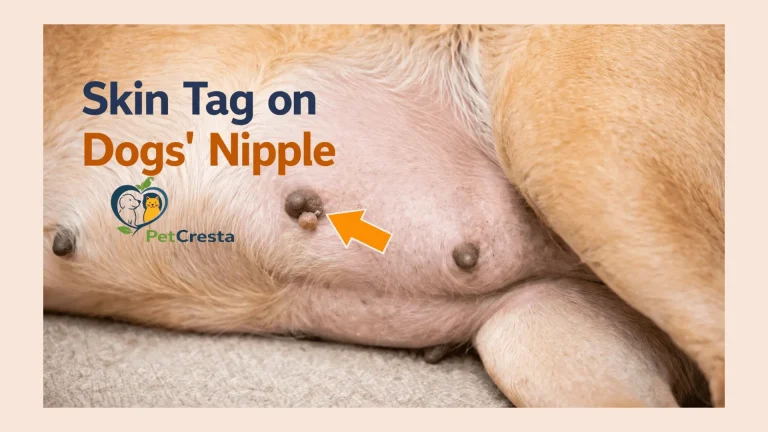
Not every deeper elbow lump is malignant, but this pattern deserves a more careful veterinary workup. A tag like growth near mammary tissue needs more caution than an elbow surface lesion, which is why a skin tag on a dog’s nipple should be considered separately.
Symptoms And Appearance of a Dog Skin Tag On Elbow
Many owners first notice the lesion while petting, grooming, or checking a rough elbow patch. The appearance can vary, which is why the details matter.
A stable benign-looking spot tends to stay small and local. A lesion that starts changing in surface, shape, or behavior deserves more attention.
Common Appearance
A skin tag-like elbow lesion may look like a small bump, a soft, raised area, or a tiny hanging growth. Some have a narrow base, while others look broader and flatter.
Texture can range from smooth to slightly wrinkled. Color may range from pale pink to brown or dark black.
Black Skin Tag on a Dog’s Elbow
A black or very dark growth is not automatically dangerous. Some benign lesions are dark. At the same time, color alone should never be the only thing used to judge safety.
A dark elbow growth is more concerning when it is also changing shape, bleeding, ulcerating, or becoming firm and irregular.
Skin Tag on a Dog’s Elbow Bleeding
Bleeding may happen after scratching, chewing, or rubbing on hard flooring. A small lesion can reopen again and again if the elbow keeps pressing into the floor.
One brief bleed after obvious trauma is different from repeated bleeding. If the area keeps bleeding or crusting over, it should be checked.
Skin Tag on a Dog’s Elbow Suddenly Appeared
A suddenly noticed elbow lump deserves more caution than a long-standing stable lesion. In some cases, the bump was there earlier and simply went unnoticed. In other cases, sudden swelling may be due to trauma, a hygroma, or another problem.
That is why sudden appearance belongs in the warning sign category, especially on the elbow.
Dog Licking Skin Tag on Dog’s Elbow
Repeated licking often means the area is irritated or uncomfortable. Even if the original lesion was minor, licking can make it worse.
The more the dog licks, the more likely the surface is to stay inflamed, moist, and prone to bleeding or infection.
When To Call A Vet for A Dog Elbow Skin Tag
Some elbow growths can be monitored after a vet confirms they are benign. Others should be checked sooner. Delicate locations need even faster assessment, which is why skin tags on a dog’s eyes should be reviewed with extra caution.
The checklist below helps separate lower urgency situations from the ones that need quicker attention.
Call Sooner If The Elbow Growth:
- grows quickly
- changes shape
- becomes darker and also changes in texture
- bleeds more than once
- oozes, smells bad, or looks infected
- seems painful when touched
- causes limping or guarding
- keeps being licked or chewed
- feels firm or fixed
- looks open, cracked, or ulcerated
Fast Growth or Shape Change
A lesion that becomes larger over days or weeks is less reassuring than one that stays stable. Rapid change suggests that the growth should not be assumed to be a harmless skin tag.
Bleeding, Oozing, or Bad Smell
These signs point to irritation, infection, or surface breakdown. An elbow lesion that keeps reopening rarely improves if the underlying floor pressure continues.
Pain, Limping, or Persistent Licking
Pain changes the picture. A dog that reacts when the area is touched or keeps licking the elbow may be dealing with more than a harmless bump.
Firm or Fixed Lump
A small soft surface lesion is generally less concerning than a firm lump that feels deep or attached. Deeper involvement deserves a closer examination.
Open, Cracked, or Ulcerated Area
This pattern fits pressure sore, infected callus, or another complication more than a simple skin tag. Ulcerated elbow lesions should not be left to repeated self-trauma.
Treatment Of Dog Elbow Skin Tag Elbow
Treatment depends on what the lesion actually is, how much it is being bothered, and whether the dog is uncomfortable. Not every confirmed benign growth needs active treatment.
The best plan often starts with reducing friction and protecting the site, then deciding whether removal or medical care is necessary.
Monitoring a Confirmed Benign Lesion
If a veterinarian confirms the spot is benign and the dog ignores it, monitoring may be enough. A monthly photo with the same angle and lighting can help track small changes.
It also helps to note size, color, bleeding, licking, and surface texture. Stable lesions are easier to manage than repeatedly traumatized ones.
Reducing Elbow Irritation
Supportive bedding can make a major difference. Thick, soft resting surfaces reduce daily pressure and limit floor friction.
Preventing constant licking also matters. In older or stiff dogs, improving comfort and mobility may reduce how heavily the dog drops onto the elbows.
Treating Inflammation or Infection
If the area becomes red, moist, swollen, or draining, veterinary treatment may be needed. The plan may include wound care, infection control, and protection from further trauma.
Random human creams and strong home products are a poor choice on this site. They can hide change, increase irritation, or delay the right diagnosis.
Veterinary Removal Options
When the lesion keeps getting irritated, bleeds repeatedly, or cannot be confidently identified, removal may be recommended. Options may include surgical excision, cautery, cryotherapy, or laser, depending on the case and clinic setup.
The choice depends on the size of the lesion, how the dog handles procedures, and whether the tissue should be sent for pathology.
Removal Of Dog Elbow Skin Tag At Home
Home removal is not a safe plan for a growth on dog Elbow skin tag. The main problem is not just pain or bleeding. The bigger problem is that the lesion may not be a skin tag at all.
The elbow is a site where several different problems can look similar, and each one needs its own approach.
Why Home Removal Is Risky
Cutting, tying off, burning, or using harsh remover products can cause pain, heavy bleeding, infection, and delayed healing. On the elbow, repeated floor contact makes aftercare even harder.
A home attempt can also damage tissue that should have been examined or tested. That can complicate later diagnosis.
What To Do Instead
The safer path is simple. Book an exam, reduce friction with soft bedding, stop licking if possible, and take clear photos over time.
That gives the veterinarian a much better chance of deciding whether the lesion is a stable benign tag, a callus-related problem, a hygroma, or something else.
Skin Tag On A Dogs Elbow Surgery
Surgery is not always necessary, but it becomes more reasonable when the lesion is repeatedly traumatized, causes ongoing trouble, or cannot be confidently identified without removal.
On the elbow, surgery decisions are often based on function and irritation rather than cosmetic concern.
When Surgery May Be Needed
Removal is more likely when the lesion bleeds often, keeps reopening, gets infected, bothers the dog, or sits in a spot that is constantly rubbing the floor.
Surgery may also be recommended when the diagnosis is uncertain or when the lesion has features that make a deeper mass more likely.
What Surgery May Involve
Some lesions can be removed during a short procedure with a local anesthetic in selected cases. Other dogs need sedation or general anesthesia depending on size, location, temperament, and whether a clean closure is needed.
If there is any doubt about the lesion type, the removed tissue may be sent for pathology.
When Surgery Is More Likely on the Elbow
The elbow is a moving pressure point. That makes repeated irritation more likely and healing more delicate.
A lesion that might be ignored on a quiet body site may become a better candidate for removal when it sits directly over the elbow and keeps being traumatized.
Dog Skin Tag Elbow Surgery Cost
Cost depends less on the word skin tag and more on what the case actually involves. A simple, small removal is different from a lesion that needs sedation, testing, and more careful wound management.
That is why cost is best understood in tiers rather than as one fixed number.
Lower Cost Situation
This is the simplest scenario. The lesion is small, clearly superficial, and removed during another planned anesthetized procedure with little added time.
In that setting, the extra charge may be limited compared with a full separate procedure.
Mid-Range Situation
A separate visit, sedation or local anesthetic, simple removal, and medication can place the case in the middle range.
This is common when the lesion is irritating the dog, but the procedure is still fairly straightforward.
Higher Cost Situation
The price rises when pathology is added, the lesion is larger, infection is present, or the closure is more difficult because the site sits over a moving joint.
More follow-up care can also increase the total cost. Elbow lesions sometimes need closer wound protection than lesions on quieter body areas.
Recovery of Skin Tag on Dogs Elbow
Recovery is often smooth, but the elbow needs extra protection because it keeps contacting the ground. That is the main reason aftercare matters so much here.
A well-managed recovery plan reduces the chance of reopening, irritation, and delayed healing.
What Recovery May Look Like
Mild soreness and local swelling may occur early on. The area usually needs to stay clean, dry, and protected from licking.
Some dogs need an e-collar so the site can settle without repeated self-trauma.
Why Elbow Healing Can Be Tricky
The elbow bends, presses into the floor, and takes weight during rest. Even a small incision may be irritated if the dog lies on hard flooring right away.
That makes soft bedding one of the most useful parts of aftercare.
How Long Removal May Take
A simple removal may be brief, but total time depends on far more than the cut itself. Sedation, anesthesia, preparation, monitoring, and pathology all add time.
Recovery time at home also varies with lesion size, wound closure, and how much the dog rubs the elbow while resting.
When to Call Back During Recovery
Call back if the site becomes very swollen, starts draining, reopens, smells bad, or the dog keeps licking it despite protection.
Worsening pain and repeated bleeding also deserve a recheck rather than more home waiting.
How to Monitor Skin Tags on a Dog’s Elbow
Monitoring is useful only when the lesion has already been judged low risk. It should be active, not casual.
A quick photo every month can tell more than memory alone, especially when the change is subtle.
What to Track Each Month
Check the size, color, texture, bleeding, licking, crusting, and skin around the lesion. A ruler or coin beside the area in photos can help track small change.
The goal is to notice pattern change early, not to stare at the lesion every day.
When Stable Monitoring Is Reasonable
Monitoring makes sense when the lesion is vet confirmed as benign, the dog ignores it, and the area is not changing.
A small, quiet surface growth is very different from a repeatedly traumatized elbow lesion.
When Monitoring Is No Longer Enough
Monitoring should stop being the only plan when the area grows, bleeds, cracks, gets painful, or develops surrounding swelling.
Repeated trauma is its own reason to revisit the decision, even if the original diagnosis was benign.
Conclusion
A small elbow growth may be a harmless skin tag, but the elbow is a pressure point where other problems often look similar. That is why location matters just as much as appearance.
The safest approach is to treat stable confirmed benign lesions with careful monitoring and pressure control, not guesswork. If the area changes, bleeds, swells, opens up, or keeps being licked, a veterinary exam is the right next step.
FAQ’s About Skin Tag on Dog Elbow
A true benign skin tag is usually not dangerous by itself. The problem is that the elbow is a pressure point, so a bump in this area may actually be a callus, hygroma, pressure sore, or another lump that needs a different plan. Danger is judged more by change, pain, bleeding, and behavior than by the word skin tag alone.
The elbow takes repeated pressure and friction every day. Hard floors, large body size, age, chronic irritation, and repeated licking can all contribute to what looks like a skin growth. In some dogs, the lesion is a true tag, while in others, the elbow location points more toward pressure-related change.
Yes, especially if it gets scratched, chewed, or rubbed against the floor over and over. A small lesion on the elbow can reopen more easily than a similar lesion on a low-friction body site. If bleeding keeps happening or comes with redness, swelling, or discharge, the lesion should be checked.
No. Home removal is risky because the lesion may not be a skin tag at all, and the elbow is a difficult place to heal after trauma. Cutting or tying off the spot can cause pain, infection, heavy bleeding, and delayed diagnosis if the growth is something more serious.
Usually no. The better question is whether it stays small, stable, and unbothered after veterinary confirmation. If the area starts changing, bleeding, or getting repeatedly irritated from pressure, the plan often shifts from watching to treatment.
It can be more common in older dogs because benign skin growths, pressure-related changes, and elbow irritation all tend to be noticed more with age. Larger senior dogs are also more likely to rest heavily on pressure points, which can make elbow lesions more noticeable and more easily irritated.
Appearance alone is not always enough. A lesion that is firm, fixed, rapidly changing, ulcerated, deeply attached, or behaving unlike a small surface growth is more concerning. In those cases, aspiration, biopsy, or removal for pathology may be needed to sort it out.
A black or dark lesion can still be benign, so color alone should not trigger panic. What matters more is whether the growth is changing in size, shape, surface, or behavior. A dark lesion that also bleeds, ulcerates, or feels firm deserves a closer look.
Repeated licking means the area is bothering the dog in some way. It may be sore, inflamed, or simply getting rubbed enough to stay irritated. Licking also increases the chance of bleeding and infection, so this is a strong reason to move from passive watching to an exam.
No. Surgery is not the default for every small benign lesion. It becomes more useful when the spot keeps getting traumatized, reopens often, causes ongoing discomfort, or cannot be confidently identified without removal and testing.
References
- PetMD — Skin Tags on Dogs
- Purina — Skin Tags on Dogs: How to Identify and Treat Them
- Hill’s Pet — Dog Skin Tags: Facts, Causes and Diagnosis
- Great Pet Care — Skin Tags on Dogs: How to Identify and Treat Them
- ToeGrips — Dog Elbow Callus: What’s Normal and What’s Not
- The Spruce Pets — Elbow Hygromas in Dogs: Causes, Treatment, and Home Remedies