Dog Skin Tag on Lip: Symptoms, Diagnosis, and Vet Treatment Guide
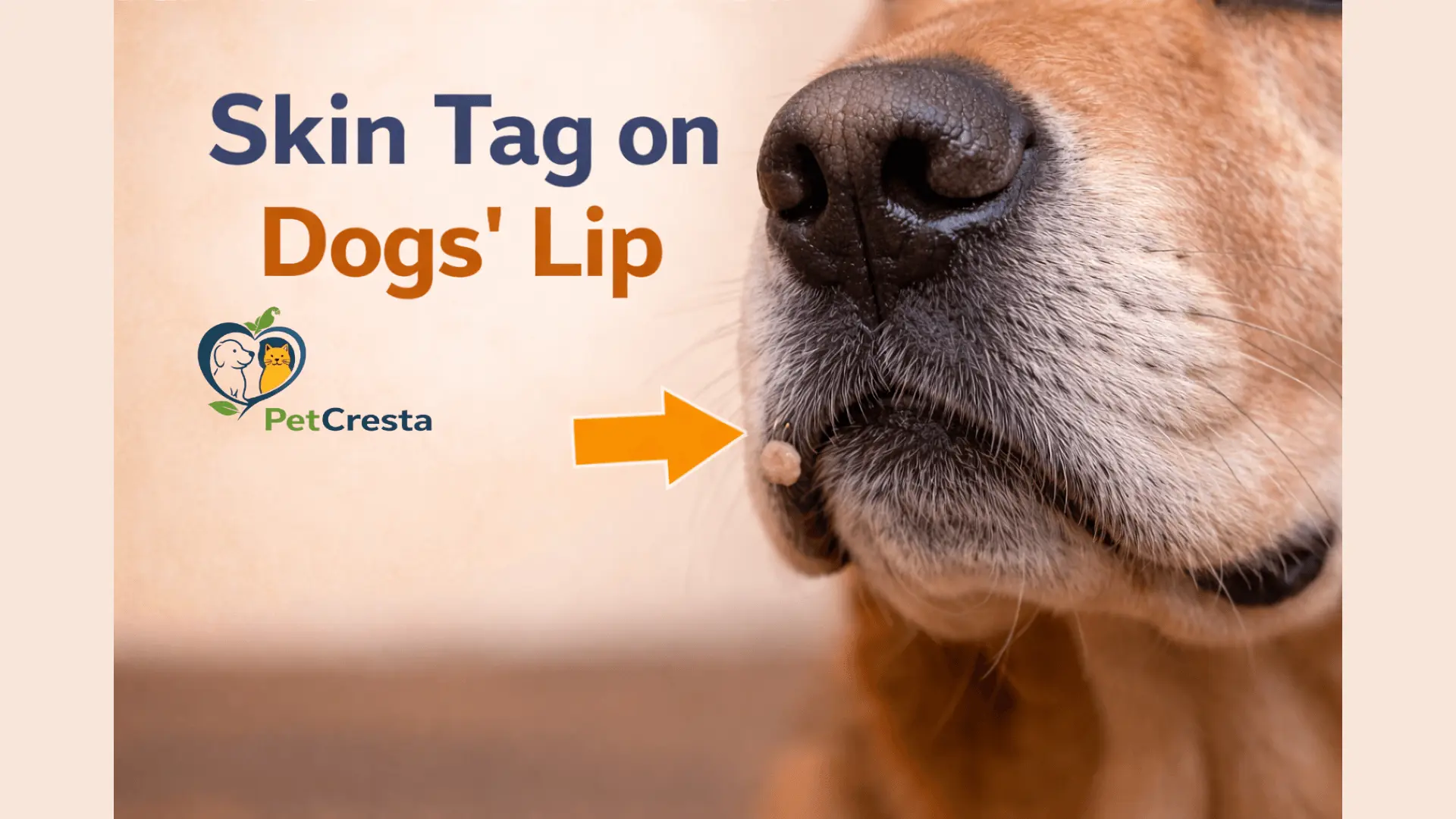
Skin tags on dogs lips can look minor at first, but this location deserves closer attention than many body skin tags. The lips move through eating, licking, grooming, and resting against the teeth, so even a small bump can become irritated faster than a growth on quieter skin.
This guide focuses on what lip growth may look like, what else it could be, and when a veterinary exam becomes the next step. It is written to help with pattern recognition and decision making, not home diagnosis.
Quick Verdict: Is A Skin Tag On A Dog’s Lip Serious?
- Often not serious at first if it stays small, soft, and unchanged
- The lip is a higher attention area because movement and tooth contact can keep a lesion irritated
- Not every bump on the lip is a true skin tag
- A stable, non-irritated growth may sometimes be monitored with veterinary guidance
- Bleeding, rapid growth, ulceration, odor, drooling, or eating changes need prompt review
- A firm, broad-based, or hard-to-identify lesion is safer to examine than to guess about
Quick Answer: What Most Dog Owners Need To Know First
A small lip growth that stays soft, quiet, and unchanged may fit a benign skin tag-like pattern. The problem is that the lip overlaps with wart-like papillomas and other oral tissue growths, so appearance alone is not always enough.
If the lesion is new, growing, bleeding, painful, or getting rubbed during meals, a veterinary exam is the safer next step. For a broader body location guide, see skin tag on dog.
Dog Skin Tag On Lip: Characteristics At A Glance
This table helps sort the pattern a little more clearly.
| What may be seen | What it may suggest | Next step |
| Small, soft, smooth, stalk-like bump | More in line with a benign skin tag-like growth | Monitor if stable and comfortable |
| Rough, fingerlike, or cauliflower-like surface | More suspicious of a papilloma-type lesion | Book an exam |
| Broad base with no narrow stalk | Less typical for a simple skin tag | Book an exam soon |
| Soft and mobile | Often less concerning than a fixed lesion | Track closely if advised |
| Firm or fixed feel | Needs closer assessment | Prompt exam |
| Bleeding, raw tissue, odor, or drooling | Active irritation or a more serious overlap | Prompt exam |
Where The Growth Sits On The Lip Matters
Location changes how useful the word skin tag really is. A bump on the outer lip skin may act more like a routine skin tag-like lesion, while a bump closer to the mouth tissue overlaps more with papillomas and other oral growths.
The closer the lesion sits to the border of the mouth, the less reliable it is to assume it is a routine body skin tag.
| Lip area | Why it matters |
|---|---|
| Outer lip skin | Often looks most like a classic skin tag |
| Lip edge | Gets rubbed by movement, saliva, and teeth |
| The border between skin and mouth tissue | More overlap with wart-like and oral-type lesions |
| Inner lip surface | More likely to affect comfort, chewing, and drooling |
As the growth sits closer to the mouth tissue, overlap with oral lesions becomes more likely.
What Else Can Look Like A Skin Tag On Dogs Lip
Many owners use the phrase skin tag for several different lip growths. A true skin tag-like lesion is often soft, smooth, and attached by a narrow point. A papilloma may look rougher, more fingerlike, or more cauliflower-like. Other benign oral masses can also project from the lip and be mistaken for a tag.
A more concerning lesion may be broader at the base, firmer, irregular on the surface, or more likely to bleed and ulcerate. None of these patterns gives certainty at home. They only help decide when the lesion deserves closer veterinary review.
| Lesion type | Typical look | Common pattern | Why does a vet check it |
|---|---|---|---|
| Skin tag-like growth | Soft, smooth, stalk-like | Often stable and non-painful | To confirm it is suitable for monitoring |
| Papilloma or wart-like lesion | Rough, fingerlike, cauliflower-like | May appear more suddenly | To sort viral wart-like growth from other lesions |
| Benign oral mass | Raised or broad-based bump | May interfere with lip comfort | Different benign growths can look similar |
| More concerning tumor pattern | Firm, irregular, ulcerated, fixed | May enlarge, bleed, or affect eating | Tissue diagnosis may be needed |
Dog Skin Tag Lip
A lip growth that best fits a skin tag-like pattern is usually small, soft, lightly pigmented or flesh colored, and attached by a narrower point. It often has a smooth or mildly wrinkled surface and moves a little when touched gently.
The label becomes less reliable when the lesion feels firm, sits on a broad base, looks rough, keeps reopening, or sits close to inner mouth tissue. If the growth is more on the face than the lip margin, see a skin tag on the dog’s face.
Common Reasons A Lip Growth Gets Called A Skin Tag
Owners often use the term skin tag because the lesion looks small, hangs slightly from the lip, or seems flesh colored and soft. That description makes sense from a home view, especially when the bump projects from the lip edge.
The problem is that wart-like papillomas and other lip growths can be described the same way before the surface pattern becomes clear. That is why the safer approach is to watch how the lesion behaves, not just what it is called.
Skin Tag On Dog Lip Causes
There is not one single cause for every lip growth that gets labeled a skin tag. Some bumps are true skin tag-like lesions. Others are noticed after repeated lip movement, accidental biting, or irritation makes the area stand out more.
Age can matter. Older dogs may develop benign-looking solitary growths, while younger dogs can show more wart-like papilloma patterns. Some lesions also seem to appear suddenly because they were only noticed after they became more visible or irritated.
| Possible factor | Why does it matter on the lip |
|---|---|
| Repeated lip movement | Creates friction and keeps the surface active |
| Saliva and moisture | Can keep an irritated surface from settling |
| Accidental biting | May cause bleeding and make the lesion more obvious |
| Age-related change | New solitary growths are more common in older dogs |
| Papilloma overlap | Wart-like lesions can be mistaken for skin tags |
Why The Lip Location Needs More Attention
The lips are in motion throughout the day. They stretch, fold, rest against teeth, contact food, and stay exposed to saliva. That constant activity makes even a small lesion easier to inflame.
High motion locations often stay irritated longer than quieter body sites. The same problem happens with skin tags on a dog’s paw, where repeated movement keeps the area active.
Why Small Lesions Can Become Raw
| Cause of irritation | Likely result |
|---|---|
| Repeated lip movement | Surface rubbing |
| Accidental biting during chewing | Bleeding or soreness |
| Saliva stays on the surface | Ongoing irritation |
| Frequent licking | More inflammation |
| Surface crack after chewing | Reopening of the lesion |
| Food contact | Tenderness during meals |
Signs That Need A Prompt Veterinary Check
A changing lesion should move out of the monitoring category. Growth over time, a wider base, a rougher surface, or a firmer feel all matter. Repeated bleeding matters even more because the lip is a high-friction area.
Bad odor, drooling, face rubbing, chewing changes, or swelling near the lip also raise the value of an exam. Appearance alone cannot rule out a more serious lesion.
Red Flag Checklist
| Sign | Why it matters | Next step |
|---|---|---|
| Getting bigger | Stable monitoring becomes less reliable | Book an exam |
| Repeated bleeding | Suggests repeated trauma or a more active lesion | Book an exam soon |
| Raw or ulcerated surface | The lesion is not staying quiet | Book an exam soon |
| Bad odor | May reflect deeper irritation or oral involvement | Arrange a check |
| Drooling or lip rubbing | The lesion may be affecting comfort | Arrange a check |
| Trouble chewing or dropping food | The lesion may be interfering with function | Arrange a check soon |
| Firm or fixed feel | Less typical for a simple skin tag | Prompt exam |
How To Tell If A Dog Lip Lump May Be More Concerning
A more concerning pattern does not mean a lesion is definitely cancerous, but it does mean the lump should not be casually watched at home. Fast enlargement, a broad base, a firm or fixed feel, irregular surface change, ulceration, repeated bleeding, odor, and eating changes all lower confidence in simple monitoring.
The most important point is this: appearance can raise or lower concern, but it does not confirm the diagnosis. Tissue testing is what tells the difference when the lesion is unclear.
| Often more compatible with monitoring | Needs closer examination |
| Small, soft, smooth, unchanged | Fast-growing, firm, irregular, ulcerated, or bleeding |
Bleeding And Eating Changes
A lip lesion can bleed because it sits in a place that gets bumped by teeth and food. One obvious scrape may be less concerning than repeated bleeding that keeps coming back.
Eating discomfort can show up even when the growth is small. Some dogs chew more slowly, avoid harder kibble, drop food, or favor one side of the mouth. That shift matters because it shows the lesion is affecting function, not just appearance.
Repeated Licking
Licking usually means the area feels different. The lesion may be rubbing, drying, stinging, or catching during lip movement. Once frequent licking starts, a mildly irritated surface can become persistently inflamed.
If the dog keeps returning to the same spot, the case moves closer to an exam, even if the bump looked minor at first.
Age And Growth Pattern
In younger dogs, a rough or clustered wart-like lip lesion may fit a papilloma pattern more closely. These can seem to appear quickly because they become noticeable over a short time.
In older dogs, a new solitary lip growth may still be benign, but the threshold for examination should be lower. A new lump on the lip of an older dog deserves more caution than an unchanged bump that has been present for a long time.
Sudden change always matters. A lesion that becomes larger, rougher, or more irritated over days to weeks is less suitable for home observation alone.
Is A Skin Tag On A Dog’s Lip Contagious Or Not
A true skin tag is not contagious. It does not spread from one dog to another.
The picture changes if the lesion is actually a papilloma-type wart. In that case, contact between dogs may matter more, especially if the growth is rough and wart-like. When there is uncertainty, shared bowls and toys are best handled with care until the lesion is examined.
What The Veterinary Exam Usually Involves
A veterinary exam usually starts with the basics: exact location, size, shape, surface texture, and whether the lesion sits on the outer lip, lip edge, or closer to inner mouth tissue. The exam also looks at mobility, firmness, bleeding, odor, nearby tissue involvement, and whether the growth rubs against the teeth.
The next step depends on the pattern. Some lesions are suitable for monitoring. Others are better removed because they are irritated, interfere with comfort, or are hard to identify with confidence. When the appearance is unclear, a vet may discuss cytology, biopsy, or tissue testing after removal.
Vet Treatment Dog Lip Lump And Removal Options
Treatment depends on behavior, location, and certainty. A small lesion that stays soft, stable, and does not interfere with eating may sometimes be monitored with veterinary guidance. The lip still lowers the threshold for treatment because the area is easy to re-irritate.
Dog lip Removal becomes more likely when the growth gets rubbed often, starts bleeding, affects chewing, or cannot be identified with confidence from appearance alone. If the lesion is removed, pathology helps confirm exactly what it was.
| Growth on dog lip skin tag situation | Common plan |
|---|---|
| Small, stable, non-irritated lesion | Monitor with veterinary guidance |
| Growth bleeds or gets rubbed often | Removal may be advised |
| Rapid change or uncertain appearance | Exam and likely tissue diagnosis |
| Affects chewing, licking, or comfort | More active treatment plan |
What Affects Cost and Timing
There is no single price that fits every dog lip skin tag removal procedure. Cost usually changes based on whether the visit is exam only or includes removal, whether sedation or anesthesia is needed, whether pathology is added, and how complex the location is.
Timing also varies. Some small removals are brief, but the full visit takes longer because it can include the exam, preparation, recovery, and discharge instructions. When the lesion is close to active mouth tissue, careful planning matters more than speed.
Old Dog Skin Tags On Lips Treatment
Old dog lip skin tag Treatment depends on what the growth really is. If it is small, stable, and not bothering the dog, a vet may suggest monitoring it. If it is growing, bleeding, irritated, or affecting eating, removal or biopsy may be needed.
Home Remedies For Dog Skin Tag
There is no safe home remedy to remove a skin tag on a dog’s lip. Do not cut, tie, burn, freeze, or use human skin products on it. The safest home care is to keep the area clean, stop rubbing or licking, and have a vet check any changes in lip growth.
What Not To Do At Home
Do not cut, tie off, squeeze, burn, or treat a lip lesion with random wart products. The area is moist, sensitive, and easy to irritate. Home treatment can make the lesion more painful, harder to evaluate, and more likely to bleed.
Avoid these at home:
• cutting the bump
• tying off the base
• using caustic wart removers
• applying harsh creams near the mouth
Simple Monitoring Checklist
If a veterinarian has advised monitoring, use the same viewing routine each time.
| What to record | What to watch for |
|---|---|
| Size | Any increase |
| Shape | Broader base or uneven edge |
| Color | Darkening or new redness |
| Surface | Smoother, rougher, or raw |
| Bleeding | Any episode |
| Licking | More frequent attention to the lip |
| Eating comfort | Slower chewing or food dropping |
| Mouth signs | Drooling or odor |
| Photo record | Same angle and same lighting once weekly |
Monitoring is only reasonable when a vet has already judged the lesion suitable for watchful follow-up. If any category changes, monitoring should stop, and the lesion should be rechecked. Sensitive eye area lesions can create similar irritation concerns, which is why skin tags on a dog’s eyes also need prompt attention when they change.
Conclusion
A dog skin tag lip may be minor, but the location deserves respect. The lips are exposed to constant movement, saliva, and tooth contact, so irritation can build quickly even when the lesion starts small.
The safest approach is simple. Notice where the growth sits, watch whether it stays soft and stable, and pay attention to bleeding, licking, odor, drooling, and eating changes. A quiet lesion may sometimes be monitored with guidance. A changing, bleeding, or uncomfortable lesion should be examined.
FAQ’s About Skin Tag on Dog Lips
A skin tag-like lip growth is often small, soft, smooth, and attached by a narrower point. It may be flesh colored or lightly pigmented and can move a little when touched gently. If the surface looks rough, cauliflower-like, broad-based, or fixed, the label becomes less reliable.
Some lip bumps are true skin tag-like growths, while others are noticed because lip movement, saliva, or accidental biting makes them more visible. A wart-like papilloma or another lip lesion can also be called a skin tag at home. The cause is not always clear from appearance alone.
Many are not dangerous at first, especially when they stay small, soft, and unchanged. The lip still deserves more caution than other body sites because the area is easy to irritate. A lesion that bleeds, enlarges, smells bad, or affects eating should be checked.
A sudden appearance does not always mean the lesion is serious, but it does change the picture. Some growths seem sudden because they become irritated or more visible quickly. A new lip lump is worth closer attention if it grows fast, looks rough, or starts bleeding.
Yes, that is possible. Some lip lesions that owners call skin tags are actually papilloma-type warts or other oral tissue growths. Wart-like lesions often look rougher or more fingerlike than a smooth skin tag-like bump.
Home appearance can only raise or lower concern. Fast growth, a broad base, a firm or fixed feel, ulceration, repeated bleeding, odor, and eating changes are all reasons to take the lump seriously. Diagnosis comes from a veterinary exam and, when needed, tissue testing.
Removal is often considered when the lesion gets rubbed often, keeps bleeding, affects chewing, or cannot be identified with confidence. Some small stable lesions may be monitored, but the lip is a location where repeated irritation often pushes management toward active treatment sooner.
No. Lip tissue is sensitive, moist, and easy to injure. Cutting, tying off, or using wart removers at home can cause pain, bleeding, and more inflammation. It can also make the lesion harder for a vet to assess correctly.
Some lesions may remain unchanged for a long time, while wart-like papilloma lesions may behave differently. The problem is that several types of lip growth can look similar at home. It is safer not to assume a lip lesion will disappear without knowing what type of lesion it is.
The total cost depends on what the visit includes. An exam alone costs less than a visit that includes sedation, removal, and pathology. Location, lesion size, and whether the procedure is done by itself or with another planned treatment can all change the final amount.
Procedure time varies with the size and position of the lesion and with the type of anesthesia or restraint needed. Some small removals are brief, but the complete visit takes longer because it may include preparation, recovery, and discharge instructions. A lesion close to active mouth tissue may need a more careful plan.
The cost can range from a few hundred dollars to over $1,000, depending on the size, the exact lip location, whether anesthesia is needed, and whether the vet also recommends biopsy or lab testing. Small, simple removals are often on the lower end, while mouth or lip-area masses usually cost more because the area is more delicate and may need a more careful procedure.
References
- https://www.msdvetmanual.com/digestive-system/diseases-of-the-mouth-in-small-animals/oral-papillomas-in-dogs
- https://www.msdvetmanual.com/digestive-system/diseases-of-the-mouth-in-small-animals/oral-tumors-in-small-animals
- https://www.petmd.com/dog/conditions/mouth/oral-masses-dogs
- https://www.petmd.com/dog/conditions/skin/skin-tags-dogs
- https://vcahospitals.com/know-your-pet/oral-tumors-papillomas-and-sarcoids