How To Create Engaging Pet Care Posters And Infographics
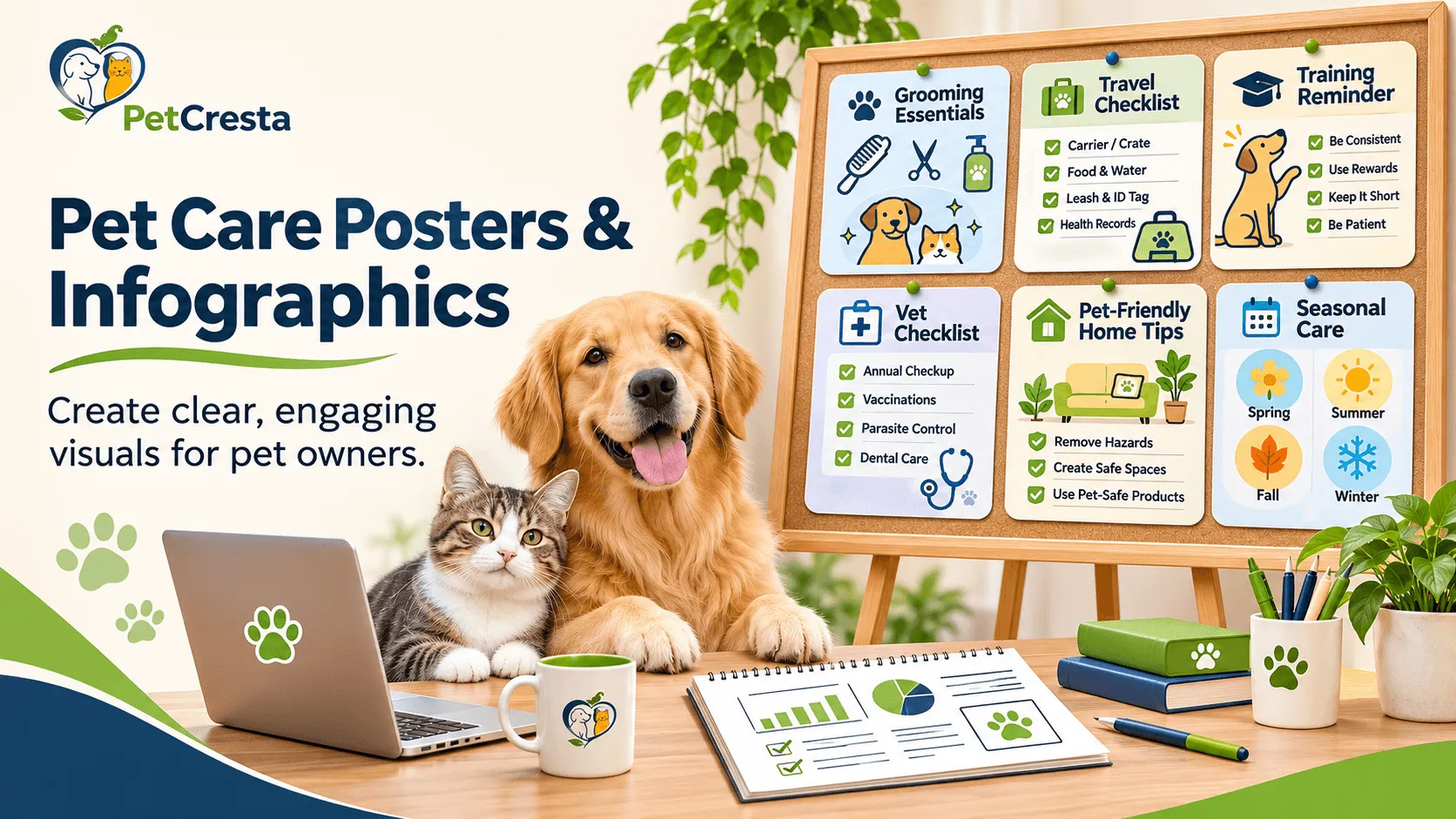
Being a responsible pet owner involves learning something new almost every day. From understanding grooming routines to recognizing changes in behavior, people who care for animals regularly look for information that helps them make better everyday decisions. However, useful information is not always easy to remember, especially when it is presented in long articles or complicated explanations.
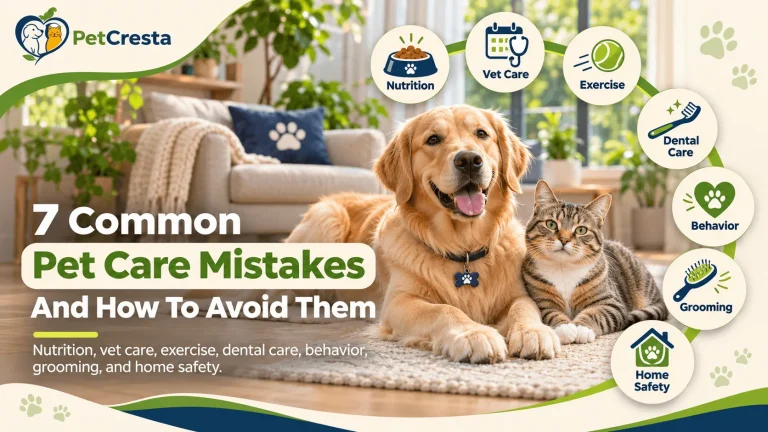
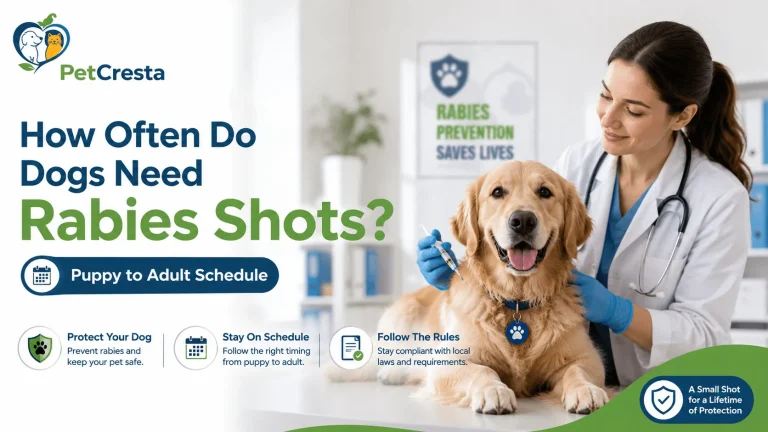
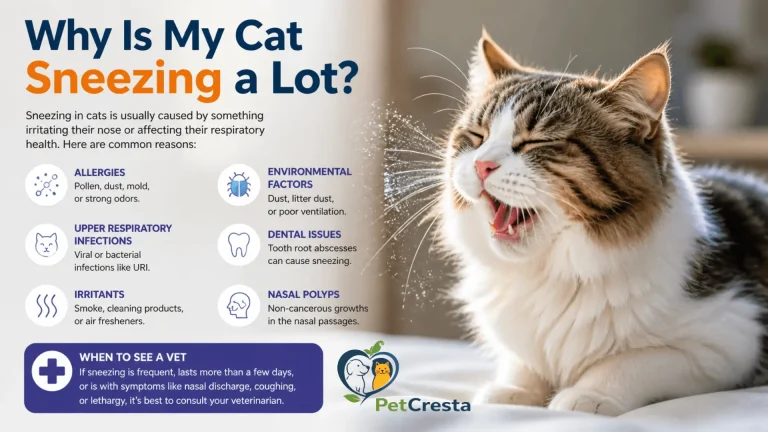
This is where visual content can make a difference. Pet care posters and infographics turn important information into easy-to-follow formats that readers can understand at a glance. Whether created for a veterinary clinic, an animal shelter, a pet-related business, or a personal blog, well-designed visuals can make educational content more accessible and engaging.
Why Visual Content Matters In Pet Care
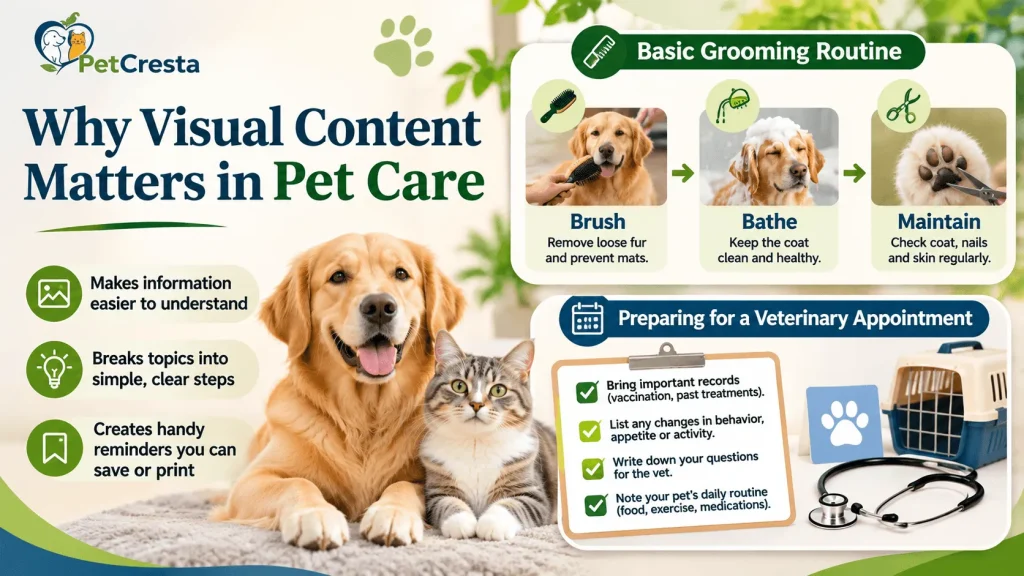
People process information in different ways. Some prefer detailed articles, while others find diagrams, illustrations, and short visual explanations easier to follow. Combining written information with visual elements can help communicate everyday pet-care topics more effectively.
For example, a poster explaining a basic grooming routine can show the different stages of brushing, bathing, and coat maintenance. Instead of presenting everything in one long paragraph, the information can be divided into small sections supported by relevant illustrations.
Visual content is also useful for sharing reminders. A simple infographic about preparing for a veterinary appointment might include a checklist of documents, questions, and information about the pet’s routine. Readers can save the image on their phones or print it for future reference.
Choosing The Right Topic For Your Pet Care Design
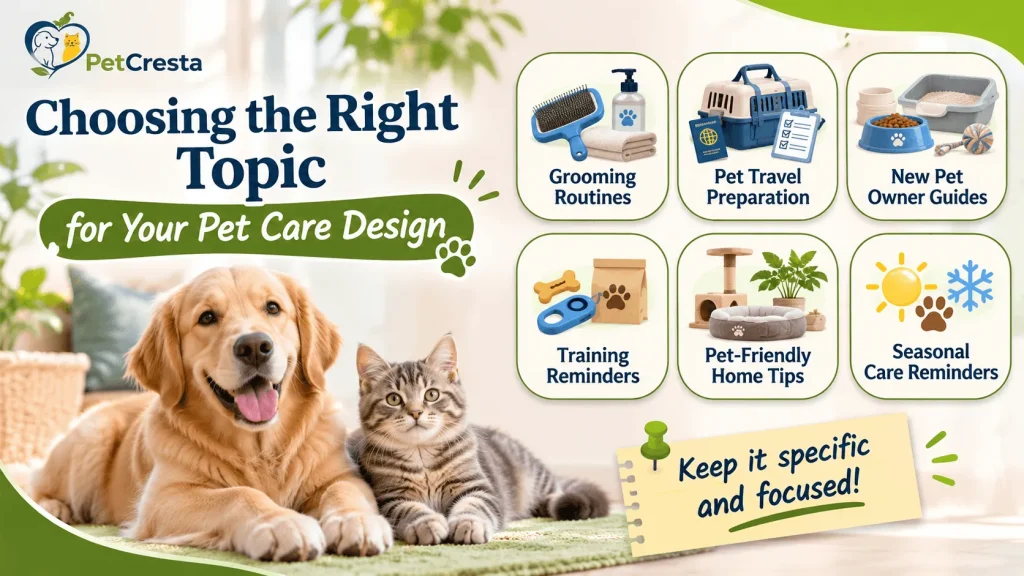
Before opening a design tool, decide what the visual should communicate. Trying to include too much information can make even an attractive poster difficult to understand.
Start with one clear subject that addresses a common question or everyday situation.
Some useful ideas include:
- Grooming routines: Explain basic coat-care steps for different types of pets.
- Pet travel preparation: Create a checklist of items to consider before travelling with a pet.
- New pet owner guides: Introduce essential supplies and everyday responsibilities. Someone considering getting two kittens at the same time may benefit from a simple visual showing feeding areas, litter resources, sleeping spaces, and other preparation needs.
- Training reminders: Present simple, positive training principles in an easy-to-read format. A poster can also help owners recognize situations where professional dog training may be worth considering.
- Pet-friendly home tips: Show ways to organize living spaces around an animal’s everyday needs.
- Seasonal care reminders: Highlight practical considerations for changing weather conditions.
The more specific the topic, the easier it becomes to organize the information. A poster titled “Everything About Dog Care” may become overwhelming, while “Five Things to Prepare Before Bringing Home a Puppy” gives readers a much clearer idea of what to expect.
Using Typography And Creative Design to Make Information Stand Out
Typography plays an important role in how people interact with visual content. The font, size, spacing, and arrangement of words can influence whether a reader notices the main message or overlooks important details.
For pet-related graphics, the design should feel approachable without sacrificing readability. Creators can experiment with different lettering styles, illustrations, and visual elements. Tools featuring AI text effects can provide additional creative possibilities when designing headings, pet-care posters, social media graphics, and educational materials. The key is to choose effects that complement the subject rather than distract from the information.
A practical approach is to establish a simple visual hierarchy:
- Use a clear headline that communicates the main topic.
- Add short supporting headings to separate different sections.
- Keep explanatory text concise and readable.
- Highlight essential reminders without overcrowding the layout.
- Use illustrations or icons that directly relate to the information.
For example, a graphic about preparing a home for a new kitten could use a large headline, separate sections for food, resting areas, toys, and litter supplies, and small illustrations to help readers identify each category.
Selecting Colors and Images for Pet-Related Graphics
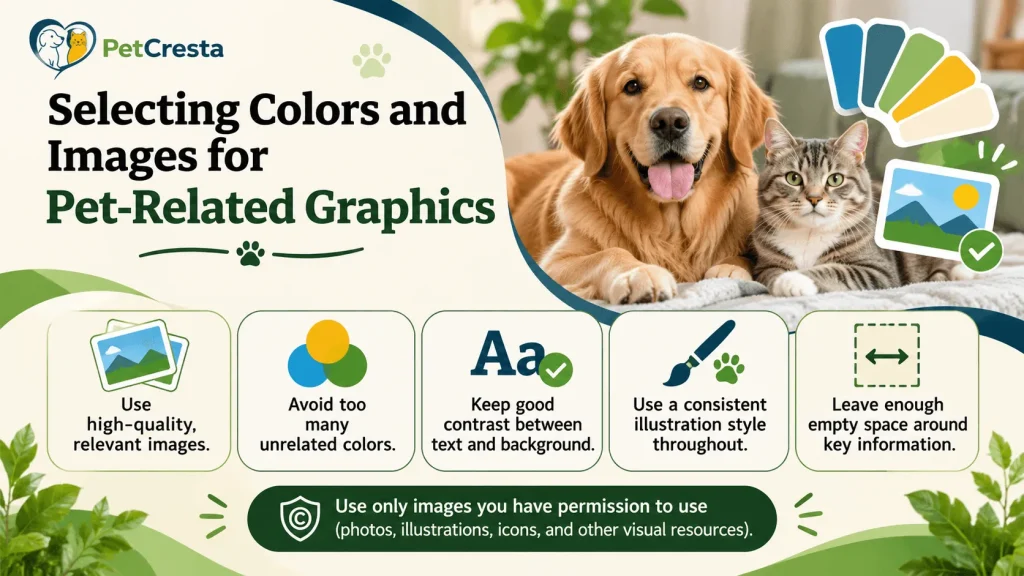
Color can influence the overall impression of a design. Warm shades may create a friendly atmosphere, while softer neutral tones can make an educational graphic feel calm and organized.
There is no single color palette that works for every pet-related project. A playful poster for a dog daycare may use brighter colors, while an informational guide from a veterinary practice might benefit from a more restrained palette.
Images should also be selected carefully. Relevant photographs and illustrations help readers understand the subject, but decorative images should never take attention away from the message.
A few useful design considerations include:
- Choose high-quality images that match the topic.
- Avoid combining too many unrelated colors.
- Maintain sufficient contrast between text and background.
- Use consistent illustration styles throughout the design.
- Leave enough empty space around important information.
If using photographs of animals, make sure you have permission to use them. The same applies to illustrations, icons, and other visual resources created by someone else.
Creating Social Media Graphics For Pet Communities
Social media provides an opportunity to share educational pet content with a wider audience. Pet owners frequently exchange advice, ask questions, and look for practical information within online communities.
A well-designed graphic can make a useful post easier to notice and share. For example, an animal shelter could create a series introducing adoptable pets, explaining adoption preparation, or answering common questions from prospective owners.
Consistency is particularly important when publishing a series. Using similar colors, typography, and layouts helps audiences recognize content from the same organization.
Different platforms also require different formats. A square graphic may work well for a standard social media post, while a vertical layout may be more suitable for stories or short-form visual content.
Rather than publishing the same image everywhere without adjustments, consider how the audience will view it. Text should remain readable on smaller screens, and the main message should be understandable without requiring users to zoom in.
Keep Pet Care Information Accurate And Responsible
An attractive design is only valuable when the information it communicates is reliable. This is especially important when creating content about animal health, nutrition, symptoms, or safety.
Avoid presenting general information as a substitute for professional veterinary advice. If a graphic discusses a health-related subject, use trustworthy veterinary sources and make the educational purpose clear.
It is also important to avoid overly broad statements. Different breeds, ages, and individual animals can have different needs. A grooming recommendation that applies to one coat type may not be appropriate for another.
When a topic involves symptoms, illness, possible poisoning, or an unusual change in behavior, encourage readers to consult a qualified veterinarian instead of relying on a graphic for diagnosis.
Responsible content builds trust and helps ensure that educational materials support good decisions rather than create confusion.
Make Your Designs Useful Beyond Their First Publication
A good pet-care infographic can have a longer life than a single social media post. It can become part of a downloadable guide, a printed resource for an animal shelter, a visual addition to a blog article, or an educational handout.
Think about how the design might be reused before choosing its dimensions and file format. Keeping an editable original also makes future updates easier.
For instance, a pet organization might create a collection of introductory guides covering adoption preparation, basic grooming, and everyday pet-owner responsibilities. Each guide could follow the same visual identity while addressing a different subject.
It is also worth reviewing older graphics occasionally. If information changes or a design becomes difficult to read on newer devices, updating it can make the resource more useful.
Conclusion
Pet-care visuals can turn useful information into practical resources that people can understand, remember, and share. By choosing focused topics, organizing information clearly, and paying attention to typography, colors, and accuracy, creators can produce graphics that genuinely support pet owners.
The best designs are not necessarily the most complicated ones. They are the ones that communicate a useful message clearly and make everyday pet-care information easier to access.
Frequently Asked Questions
Include one clear topic, a short headline, a small number of useful points, and enough explanation for readers to understand what action to take. Health or safety graphics may also need a source or veterinary-care note.
Keep it focused enough to understand quickly. Three to seven main points work well for many posters, although the right amount depends on the topic. Detailed explanations can be placed in an accompanying article.
A good pet care poster combines useful information with readable typography, clear hierarchy, relevant images, appropriate spacing, and accurate pet-care guidance. The reader should understand the main message without searching through the design.
Grooming checklists, travel preparation, new-pet supplies, adoption preparation, training reminders, seasonal care, veterinary appointment checklists, and pet-friendly home reminders are all suitable topics.