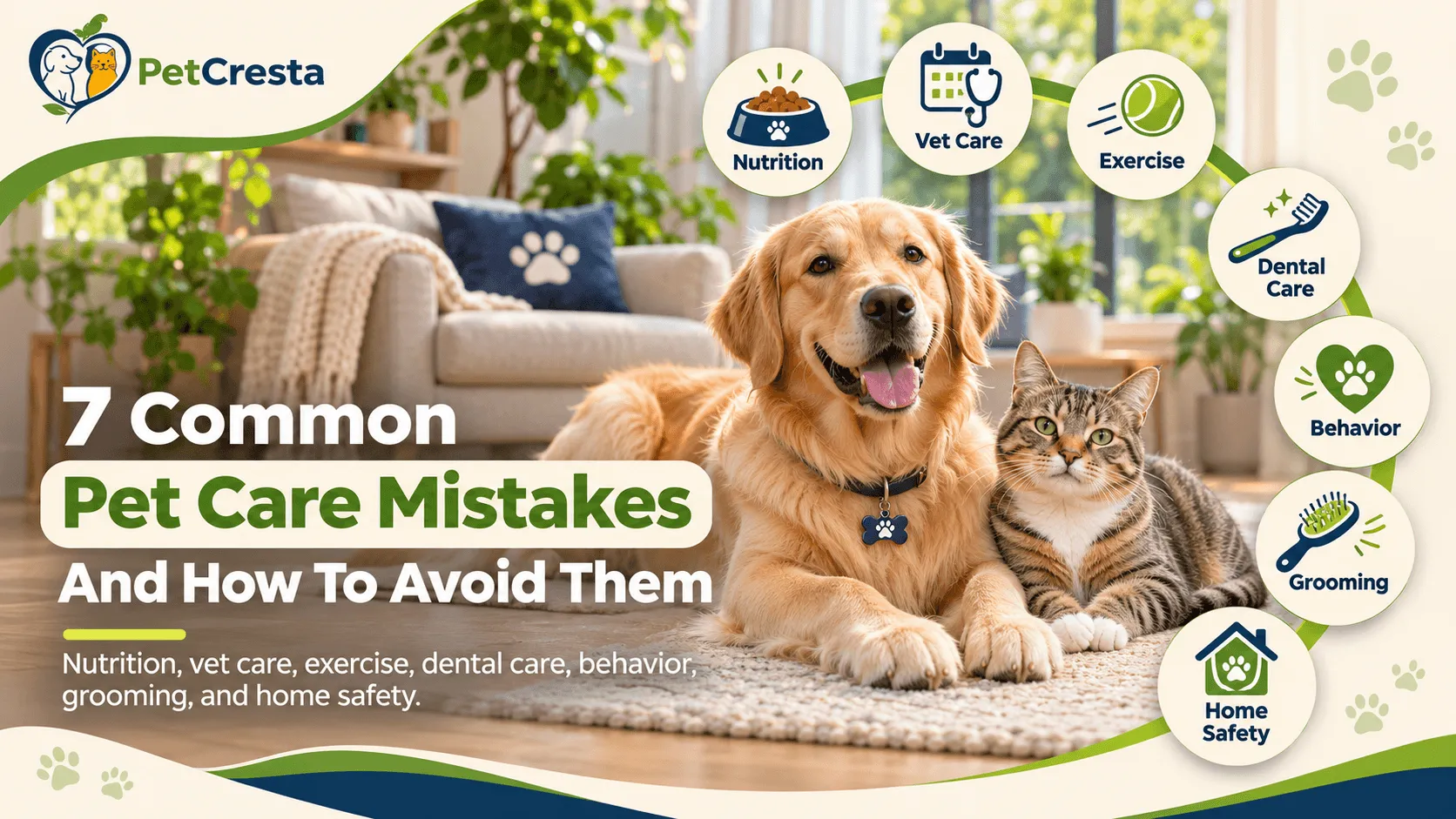
7 Common Pet Care Mistakes And How To Avoid Them For A Healthier Pet
Bringing a pet into your home is one of life’s most rewarding experiences. Whether it’s a playful puppy, a curious kitten, or a loyal senior companion, pets quickly become part of the family. But keeping them happy and healthy involves more than providing food, water, and a comfortable place to sleep. Even the most loving pet owners can unknowingly make mistakes that affect their animals’ physical health, emotional well-being, and quality of life.
One of the best ways to become a more responsible pet owner is to pay attention to your pet’s everyday habits and document changes over time. For example, taking regular photos can help you notice differences in body condition, coat quality, or physical appearance that might otherwise go unnoticed. If you’re organizing these pictures into a digital health journal or sharing them with your veterinarian, using an image resizer can make photos easier to manage, upload, and compare. Small organizational habits like these, combined with proper nutrition, exercise, and preventive healthcare, can make a meaningful difference in your pet’s long-term well-being.
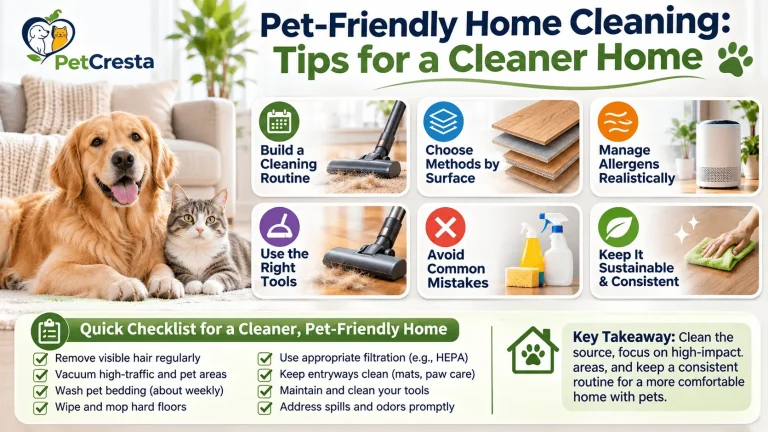
Pet owners who prefer visual reminders can also use pet care posters and infographics to organize feeding schedules, grooming routines, medications, or other recurring care tasks.
Quick Answer: What Are The Most Common Pet Care Mistakes?
Seven common mistakes pet owners should watch for are:
- Overfeeding or choosing an unsuitable diet
- Skipping routine veterinary care
- Providing too little appropriate exercise
- Neglecting dental care
- Ignoring behavioral or routine changes
- Overlooking grooming and hygiene
- Failing to pet-proof the home
These problems often develop gradually. Regular observation and a consistent care routine can help owners identify them before they become harder to manage.
1. Feeding Your Pet Too Much or Choosing the Wrong Diet

It’s hard to resist those pleading eyes when your dog wants another treat or your cat meows for an extra serving. However, overfeeding is one of the most common pet care mistakes, and it can lead to serious health problems.
Excess body weight can place added strain on joints and may contribute to several health problems. Dogs already experiencing stiffness or mobility problems may also need veterinary assessment rather than simply reducing exercise; PetCresta’s guide to joint pain and stiffness in dogs covers this issue in more detail.
Excess weight increases the risk of diabetes, joint problems, and other chronic conditions. Feeding pets an inappropriate diet can also result in nutritional deficiencies or digestive issues.
How to avoid this mistake:
- Choose food formulated for your pet’s species, age, size, and health needs.
- Measure portions instead of estimating how much food belongs in the bowl.
- Keep treats to no more than 10% of your pet’s daily calorie intake unless your veterinarian advises otherwise.
- Monitor body condition regularly rather than relying only on weight.
- Consult your veterinarian before making major dietary changes.
For example, a small dog that receives several high-calorie treats throughout the day may consume far more calories than its body needs. Replacing some treats with playtime, attention, or small portions of its regular food can help maintain a healthier weight.
Remember that nutritional requirements change as pets grow older. A diet suitable for an energetic puppy may not be appropriate for a less active senior dog.
2. Skipping Regular Veterinary Checkups
Many pet owners schedule veterinary appointments only when their animals appear sick. Unfortunately, pets are often surprisingly good at hiding discomfort, especially cats.
By the time noticeable symptoms develop, an underlying condition may already have progressed.
Routine veterinary visits help identify potential problems early, when treatment may be more effective and less complicated.
How to avoid this mistake:
Schedule wellness examinations based on your veterinarian’s recommendations. Healthy adult pets commonly benefit from annual visits, while puppies, kittens, senior animals, and pets with chronic conditions may need more frequent appointments.
During these visits, your veterinarian can assess:
- Dental health and gum condition
- Weight and body condition
- Heart and respiratory health
- Skin, ears, and coat quality
- Vaccination and parasite prevention needs
- Age-related changes or developing medical concerns
Consider a cat that gradually begins drinking more water than usual. Its owner might assume the change is harmless, but increased thirst can sometimes indicate diabetes, kidney disease, or another medical condition.
Regular checkups, combined with careful observation at home, make it easier to recognize these warning signs.
Preventive healthcare isn’t simply about avoiding illness. It’s about helping pets remain comfortable and active throughout their lives.
3. Not Providing Enough Physical Exercise
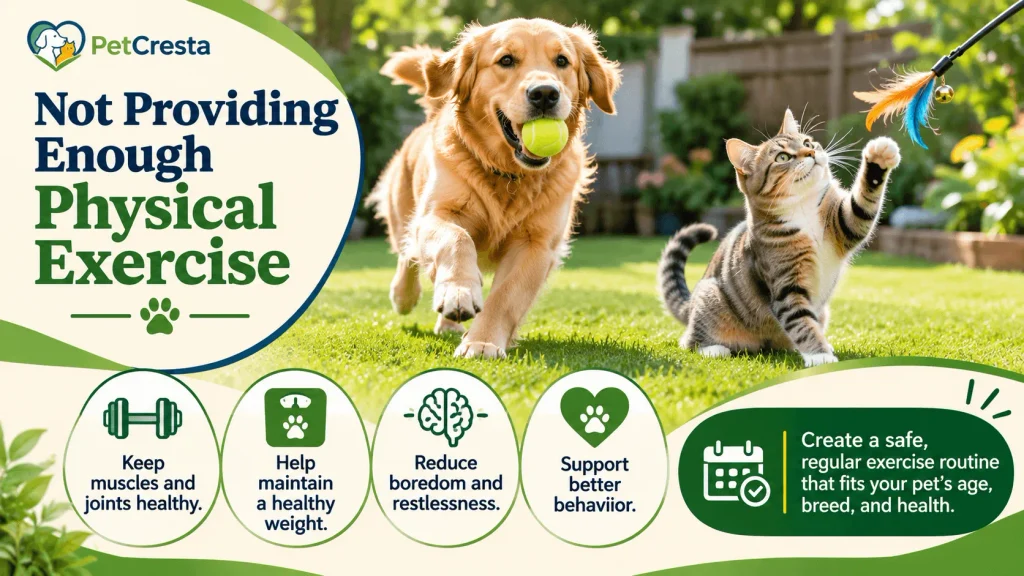
Pets need movement to maintain healthy muscles, joints, and body weight. Yet exercise is frequently overlooked, particularly for indoor cats and dogs living in apartments.
Without sufficient activity, pets may gain weight, become restless, or develop unwanted behaviors.
A dog that chews furniture or barks excessively might not necessarily be misbehaving. It could simply be bored or lacking an appropriate outlet for its energy.
How to avoid this mistake:
Create an exercise routine that matches your pet’s age, breed, health, and physical abilities.
For dogs, activities might include daily walks, supervised games of fetch, scent-based exploration, or swimming where appropriate.
For indoor cats, try interactive wand toys, climbing structures, scratching posts, and short hunting-style play sessions.
Even 10 to 15 minutes of focused play can provide valuable stimulation, particularly when repeated throughout the day.
Exercise should never become a one-size-fits-all routine. A young, healthy working breed may need substantially more activity than an older dog with arthritis.
Watch for signs of fatigue, overheating, or discomfort, and adjust accordingly.
The goal is consistent, enjoyable movement rather than exhausting your pet.
4. Neglecting Dental Hygiene
Dental care is one of the most overlooked aspects of responsible pet ownership.
Many people assume bad breath is normal for dogs and cats. In reality, persistent unpleasant breath can be an early sign of dental disease.
Plaque and tartar buildup may contribute to inflamed gums, painful infections, loose teeth, and difficulty eating.
Dental problems can significantly affect a pet’s comfort, even when the animal continues eating normally.
How to avoid this mistake:
Start with a gradual introduction to toothbrushing. Use a toothbrush designed for pets and toothpaste specifically formulated for animals.
Never use human toothpaste, as some ingredients can be harmful to pets.
Ideally, brush your pet’s teeth daily. If your pet isn’t comfortable with brushing immediately, begin by gently touching its muzzle and gums before introducing the toothbrush.
You can also ask your veterinarian about suitable dental chews, diets, and other products with evidence supporting their effectiveness.
Professional dental examinations and cleanings may still be necessary, even with good home care.
Practical tip: Check your pet’s mouth periodically for red gums, visible tartar, broken teeth, or unusual swelling. If you notice bleeding, persistent bad breath, or difficulty chewing, arrange a veterinary examination.
A few minutes of preventive care can help avoid considerable discomfort later.
5. Ignoring Behavioral Changes and Emotional Needs
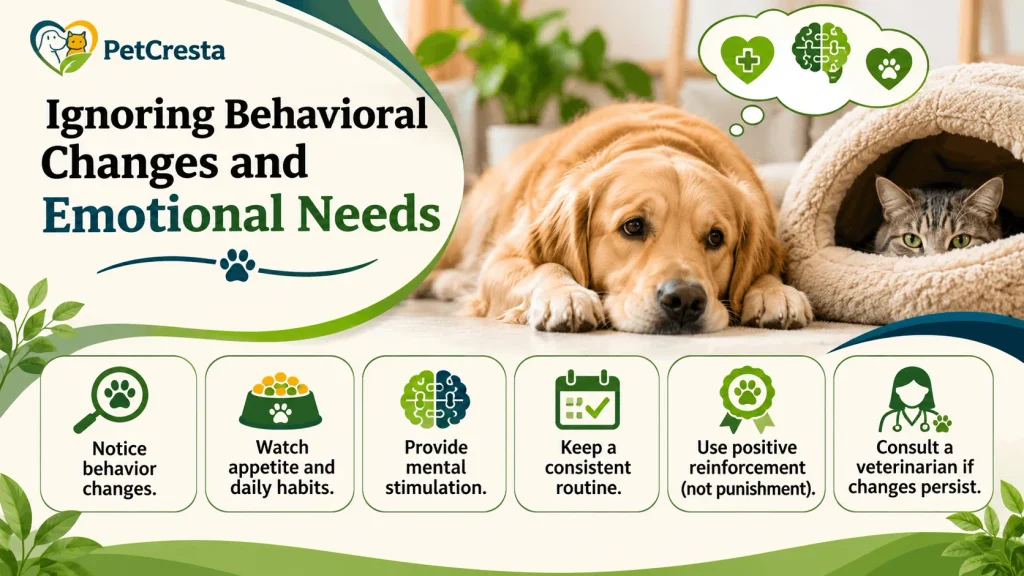
Physical health is only one part of a pet’s overall well-being. Animals also need emotional security, mental stimulation, and opportunities to express natural behaviors.
Unfortunately, changes in behavior are sometimes dismissed as stubbornness, laziness, or bad manners.
A normally friendly dog that suddenly avoids interaction may be experiencing pain or stress. Similarly, a cat that begins hiding or stops using its litter box could be responding to a medical problem or environmental change.
How to avoid this mistake:
Pay attention to your pet’s normal personality and daily routines.
Notice changes in appetite, sleeping patterns, social interaction, grooming, vocalization, and bathroom habits.
Provide enrichment activities such as puzzle feeders, scent games, training sessions, and appropriate toys.
Pets also benefit from predictable routines. Consistent feeding times, quiet resting areas, and positive interactions can help them feel secure.
Avoid punishment-based training methods, which can increase fear and anxiety. Instead, reward desirable behaviors and address the underlying cause of unwanted actions.
For example, if your dog becomes destructive whenever you leave home, the solution may involve gradual independence training, environmental enrichment, or professional support rather than punishment.
Sudden or persistent behavioral changes should be discussed with a veterinarian before assuming they are purely behavioral.
Understanding what your pet is communicating can prevent small problems from becoming serious ones.
6. Overlooking Grooming And Basic Hygiene
Grooming isn’t just about keeping pets looking attractive. It’s an essential part of maintaining healthy skin, fur, nails, and ears.
When grooming is neglected, long-haired animals may develop painful mats, overgrown nails can interfere with walking, and unnoticed skin problems may worsen.
Different pets have different grooming requirements, so understanding your animal’s specific needs is important.
How to avoid this mistake:
Establish a grooming schedule that considers coat type, activity level, and individual health needs.
For example:
- Brush long-haired pets frequently to prevent tangles and matting.
- Trim nails when necessary to prevent overgrowth and discomfort.
- Check ears for redness, unusual odor, or discharge.
- Bathe pets using species-appropriate products when needed.
- Inspect the skin for lumps, irritation, parasites, or unusual changes.
Grooming sessions also provide an opportunity to build trust.
Start slowly, especially with pets that are nervous about being handled. Offer treats, praise, and short breaks to create positive associations.
If your pet has severe matting, painful skin irritation, or significant ear discharge, seek professional help rather than attempting potentially uncomfortable treatment at home.
Regular grooming allows you to identify small physical changes before they develop into larger problems.
7. Failing to Create a Safe Home Environment
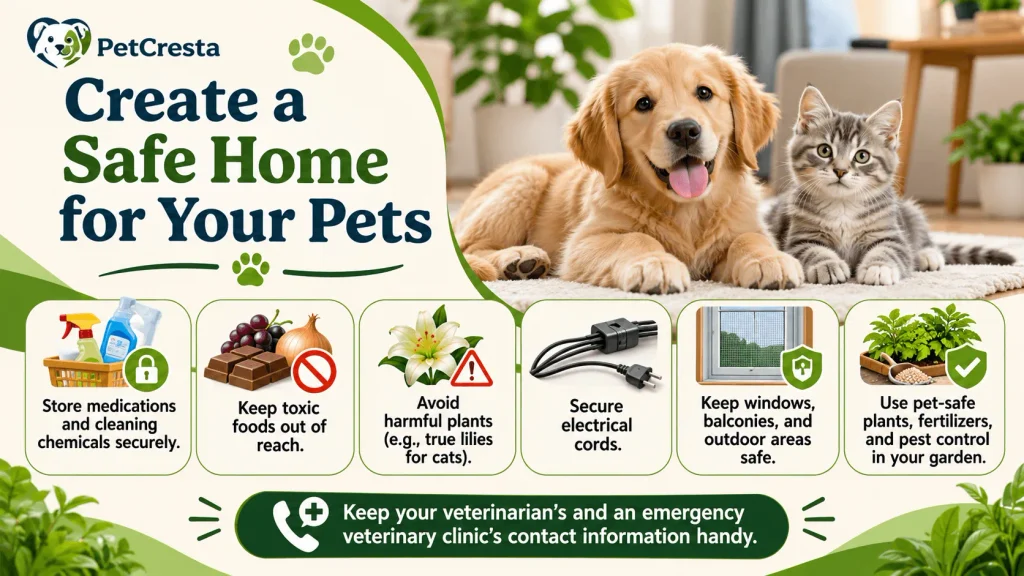
A home that feels perfectly safe to humans may contain unexpected hazards for pets.
Common household products, certain foods, medications, electrical cords, and decorative plants can all pose risks.
Curious puppies and kittens are especially vulnerable because they explore their surroundings by chewing, climbing, and investigating unfamiliar objects.
Even experienced pet owners sometimes underestimate how quickly an accident can happen.
How to avoid this mistake:
Start by examining your home from your pet’s perspective.
Keep medications, cleaning chemicals, and potentially toxic foods securely stored.
Some common hazards include chocolate, grapes, raisins, onions, and products containing xylitol. Certain plants, particularly true lilies for cats, can also be extremely dangerous.
Secure electrical cords and remove small objects that could be swallowed.
Make sure windows, balconies, and outdoor spaces are appropriately secured to prevent falls or escapes.
If you have a garden, check whether the plants, fertilizers, and pest-control products you use are safe around animals.
Practical tip: Keep your veterinarian’s contact information and the number of an appropriate emergency veterinary clinic readily available. If you suspect poisoning, contact a veterinarian or animal poison-control service immediately rather than waiting for symptoms or attempting home remedies.
Creating a pet-friendly environment doesn’t require major renovations. Often, simple precautions are enough to prevent avoidable emergencies.
Building Better Pet Care Habits That Last
Avoiding common pet care mistakes becomes easier when healthy habits are part of your daily routine.
Rather than trying to change everything overnight, focus on making small, manageable improvements.
For instance, you might begin by measuring your pet’s meals more accurately, introducing a five-minute grooming session, or adding an extra interactive play session each evening.
Consistency matters more than perfection.
It also helps to keep a simple pet care journal. Record veterinary appointments, vaccinations, medications, changes in appetite, and anything unusual about your pet’s behavior.
Over time, these notes can reveal patterns that are difficult to recognize from memory alone.
Most importantly, remember that every pet is an individual. Age, breed, medical history, temperament, and lifestyle all influence what appropriate care looks like.
Advice that works well for one animal may need adjusting for another.
When you’re uncertain about a health concern, your veterinarian is the best source of guidance tailored to your pet.
Final Takeaway
The most common pet care mistakes are rarely caused by a lack of concern. They usually happen because everyday routines become automatic and gradual changes are easy to miss.
Pay attention to nutrition, preventive veterinary care, exercise, dental health, behavior, grooming, and household safety. More importantly, learn what is normal for your individual pet.
Good observation and consistent routines can help identify small problems sooner, while veterinary guidance provides the individual medical advice that general online information cannot.
Frequently Asked Questions
Common pet care mistakes include overfeeding, missing routine veterinary appointments, providing inappropriate levels of exercise, neglecting dental hygiene, overlooking behavior changes, inconsistent grooming, and failing to remove household hazards.
Regular weight gain, loss of a visible waist, difficulty feeling the ribs beneath a light fat covering, and decreasing activity can suggest excess body condition. Because ideal body condition varies among animals, ask your veterinarian to show you how to assess your pet correctly.
The appropriate schedule depends on species, age, health, lifestyle, vaccination needs, and medical history. Puppies, kittens, seniors, and pets with chronic conditions often require different schedules from healthy adult animals. Follow the interval recommended by your veterinarian.
Most healthy dogs and cats benefit from regular physical activity and mental stimulation, but the amount and type should match the individual animal. Age, breed, fitness, health conditions, and weather can all change what is appropriate.
Daily brushing is ideal for many dogs and cats. If daily brushing is not immediately realistic, introduce it gradually and discuss an appropriate home dental-care routine with your veterinarian.
Yes. Pain, illness, stress, fear, cognitive changes, and environmental problems can all affect behavior. Sudden or persistent changes should not automatically be treated as training problems.
Chocolate, grapes and raisins, onions, garlic, and products containing xylitol are among the foods that can be dangerous to pets. The risk varies by species and substance, so contact a veterinarian or animal poison-control service if an exposure occurs.
Yes. True lilies in the Lilium group and daylilies can cause severe kidney injury in cats. Even small exposures can be dangerous, so households with cats should avoid keeping these plants where exposure is possible.