How Long Can a Cat Survive Without Food? Vet Warning Signs Explained
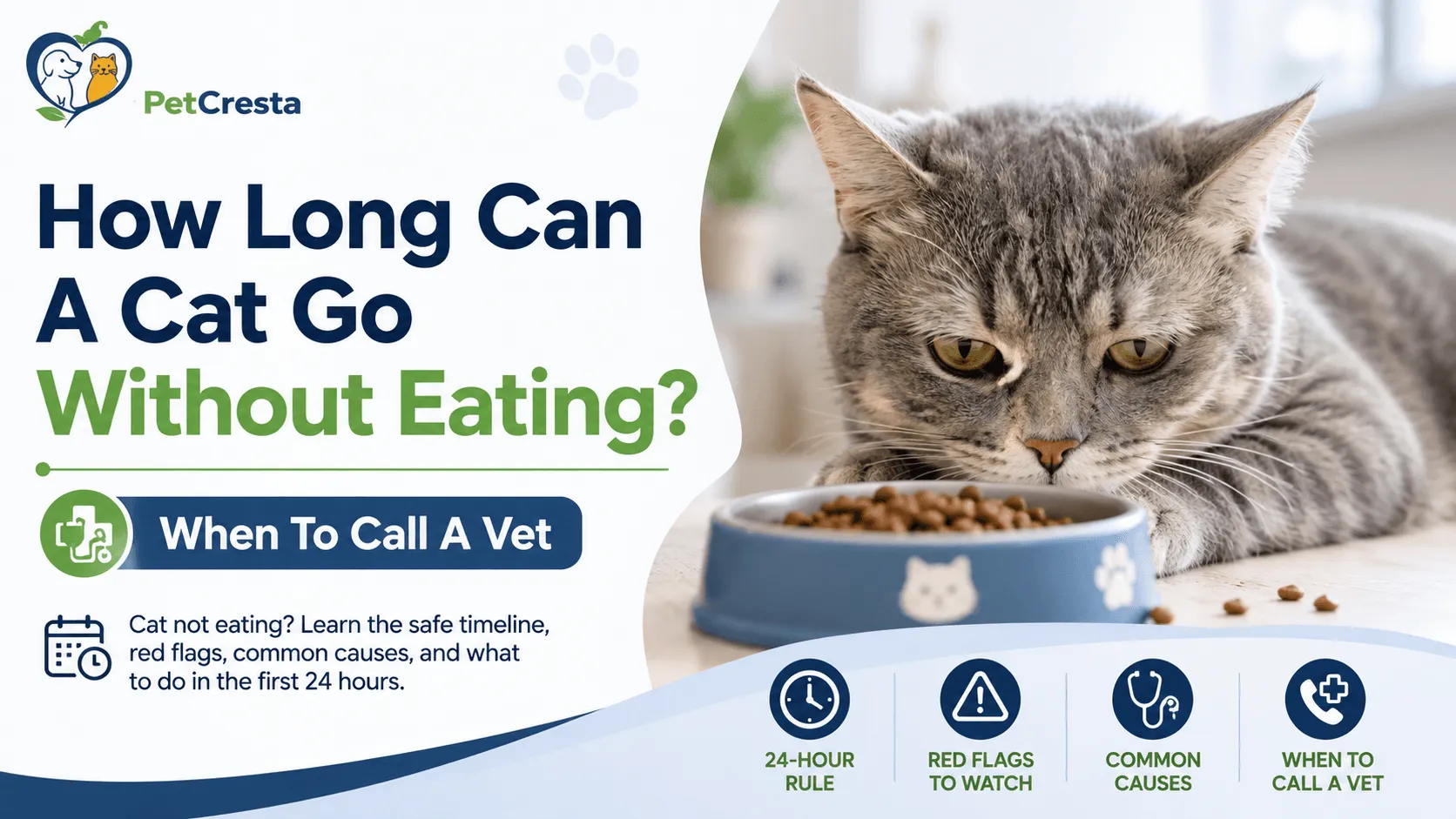
A cat may survive for several days without food if water is still available, but that is not a safe home guideline. In most cats, going more than 24 hours without eating, or eating far less than usual for that long, is enough reason to contact a veterinarian. The concern becomes more urgent in kittens, senior cats, overweight cats, and any cat that is also vomiting, weak, hiding, or drinking less than usual.
Cats do not handle prolonged food refusal well. Appetite loss can lead to dehydration, weakness, and liver complications much faster than many owners expect. The goal is not to wait and see how long can a cat go without eating. The goal is to recognize when the cat needs help.
TL;DR: When Is A Cat Not Eating A Serious Problem?
A cat that has not eaten for 24 hours should be taken seriously, even if the cat still seems calm or is still drinking. The risk is not only missed calories. The bigger concern is the illness, pain, nausea, stress, or dehydration that may be causing the appetite loss.
The situation becomes more urgent if the cat is not drinking, vomits repeatedly, seems very weak, hides more than usual, breathes differently, shows yellow eyes or gums, or strains in the litter box. Kittens, senior cats, overweight cats, and cats with chronic illness should be assessed sooner because they can decline faster.
How Long Can A Cat Go Without Eating?
A healthy adult cat may stay alive for several days without food if water is still available, but that outer survival window is not the standard that owners should use at home. In practice, most cats should be evaluated once they have gone about 24 hours without eating, or sooner if they are also drinking less, vomiting, hiding, or acting unwell.
A cat that refuses both food and water needs faster attention. A cat that seems interested in food but cannot eat, only takes treats, or walks away after sniffing the bowl may also need veterinary care because mouth pain, nausea, or congestion may be involved.
Safe Waiting Window Vs Survival Window
There is an important difference between surviving and staying medically stable. A cat may remain alive beyond a day without food, but weakness, dehydration, and fatty liver risk can develop well before the outer survival window.
That is why the safest question is not, “How long can a cat stay alive without food?” The safer question is, “When does a cat need help?” For most cats, that answer starts at 24 hours, or sooner if other warning signs are present.
Cat Appetite Risk: At A Glance
This table gives a fast view of common situations, what they may mean, and what step makes sense next.
| Situation | What it may mean | What to do now |
|---|---|---|
| Missed one meal but acting normal | Mild stress, food preference, or a brief stomach upset may be possible | Monitor closely and offer familiar food with fresh water |
| Eating much less than usual | Early illness, nausea, pain, or stress may be developing | Track intake for 24 hours and call a vet if the drop continues |
| No food for 24 hours | This is a medical concern in most cats | Contact a veterinarian the same day |
| Drinking but not eating | Nausea, dental pain, congestion, or internal illness may be involved | Do not ignore it, especially if it lasts beyond 24 hours |
| Not eating and not drinking | Dehydration risk rises quickly | Seek urgent veterinary care |
| Not eating but acting normal | Some cats hide illness very well in the early stage | Use the timeline, not behavior alone, to judge urgency |
| Not eating and vomiting | Nausea, obstruction, toxin exposure, or another illness may be present | Call a vet promptly, or go sooner if vomiting repeats |
| Not eating and hiding | Pain, fever, stress, or more serious illness may be present | Arrange a same-day veterinary assessment if it continues |
| Kitten not eating | Kittens have less reserve and can weaken faster than adults | Seek same-day veterinary advice |
| Overweight cat not eating | Fatty liver risk is higher when food intake drops suddenly | Do not wait it out; call a vet promptly |
Why Cats Are Different When They Stop Eating
Cats do not handle prolonged appetite loss well. One of the main reasons is hepatic lipidosis, often called fatty liver syndrome. When a cat stops eating, the body starts moving fat stores for energy. In some cats, especially overweight cats, the liver cannot process that fat load efficiently. The result can be a dangerous decline that makes recovery harder.
Cats are also skilled at hiding discomfort. A cat with pain, fever, nausea, dental disease, or internal illness may still look quiet rather than obviously sick. That is why appetite loss deserves attention even when the cat seems calm or normal at first.
| Appetite loss → body uses fat stores → fat reaches the liver → liver function can worsen → the cat feels worse and eats even less |
Early Signs Of Fatty Liver Syndrome
One reason appetite loss in cats should not be ignored is the risk of hepatic lipidosis, also called fatty liver syndrome. This can happen when a cat stops eating, and the body starts moving fat stores too quickly, especially in overweight cats.
Early signs can include yellowing of the eyes or gums, unusual tiredness, vomiting, and noticeable weight loss. A cat showing these signs should be assessed promptly because fatty liver can become life-threatening if treatment is delayed.
Can A Cat Go 24 Hours Without Food?
Yes, a cat can go 24 hours without food. That does not make it normal or safe to ignore. A full day without eating usually means it is time to call a veterinarian and describe the situation, especially if the cat is also quiet, hiding, vomiting, or drinking less.
A cat that has gone 24 hours without food may still look stable, but early intervention is often much easier and more successful than delayed care.
Cat not eating for 2 days: At this stage, the concern rises sharply. Weakness, dehydration, and fatty liver risk become more likely, especially in overweight cats, kittens, senior cats, and cats with other illnesses. A cat that has not eaten for 2 days should not be managed with home observation alone.
Cat hasn’t eaten in 3 days: This is a serious situation. After 3 days without food, the risk of nutritional decline, dehydration, and organ stress is much higher, and urgent veterinary care is needed even if the cat is still drinking or seems quiet.
How Age, Weight, And Health Status Change The Timeline
Not every cat has the same safety margin when appetite drops. A healthy adult cat that misses one meal but is still bright, drinking, and using the litter box normally may be watched closely for a short period. Once a full day passes without food, the situation moves out of the simple watch-and-wait category.
Kittens have much less reserve than adult cats. Very young kittens cannot go long without nutrition, and older kittens may become weak and unstable after a much shorter period than an adult cat. If a kitten has not eaten for 12 to 24 hours, or sooner if it seems cold, weak, sleepy, vomiting, or diarrhoeic, veterinary care should not be delayed.
Senior cats and cats with chronic illness also need faster attention. Kidney disease, diabetes, hyperthyroidism, arthritis, dental disease, and other ongoing conditions can make appetite loss more serious and may be the first sign that a chronic problem has worsened.
Overweight cats deserve especially prompt care. They are at higher risk of fatty liver complications when food intake drops suddenly, even if they still look fairly alert at home.
How Water Changes The Risk
Food refusal is serious, but the risk rises faster when water intake also drops. A cat that is still drinking but not eating may have nausea, mouth pain, congestion, or illness, and still needs attention if the pattern lasts beyond 24 hours. A cat that refuses both food and water is more urgent because dehydration can develop quickly.
Drinking habits can also shift in less obvious ways. A cat that ignores the water bowl, vomits after drinking, or cannot keep fluids down should be seen sooner. A sudden increase in drinking, together with poor appetite, can also matter and may point to an underlying problem such as kidney disease or diabetes.
Cats that usually eat wet food may lose part of their normal moisture intake when meals stop, so dehydration can build faster than expected.
When This Becomes An Emergency
Appetite loss is not always an immediate emergency, but the line can change quickly when other symptoms appear. The safest way to think about it is to separate same-day concerns from true emergency concerns.
Call A Vet The Same Day
If a cat has gone 24 hours without eating, or is eating much less than usual for more than 24 hours, the same day is the right time to call.
Other same-day triggers include hiding, sleeping much more than usual, mild lethargy, clear weight loss, a senior cat with appetite loss, or an overweight cat refusing food. A cat that is drinking but not eating also belongs in this group if the pattern persists.
Go To Emergency Care Now
Urgent care is needed sooner if the cat is not eating or not drinking, vomits repeatedly, cannot keep water down, becomes very weak, collapses, breathes abnormally, shows yellow gums or eyes, strains to urinate, or appears to be in significant pain. A cat with breathing changes, such as cat wheezing should be assessed quickly, especially when appetite loss is also present.
A very young kitten with appetite loss and low energy should also be treated as urgent. In these cases, the question is no longer how long the cat can go without food. The question becomes how quickly the cat can be seen.
| Sign | Why is it more urgent | Best next step |
|---|---|---|
| Not eating and not drinking | Dehydration can develop quickly | Go to urgent or emergency veterinary care |
| Repeated vomiting | Fluids and nutrition may not stay down | Seek urgent care the same day |
| Vomiting after drinking water | Suggests worsening nausea or more serious illness | Go now for a veterinary assessment |
| Severe lethargy or collapse | The cat may be systemically unwell | Emergency care is needed |
| Breathing difficulty | Oxygen and rapid evaluation may be needed | Go now |
| Yellow gums or eyes | Liver disease or severe illness may be involved | Emergency care is needed |
| Straining to urinate | This can become life-threatening, especially in male cats | Go now |
| Severe pain or a painful belly | Internal illness, blockage, or injury may be present | Seek urgent care immediately |
| Very young kitten not eating | Kittens can decline faster than adults | Same-day urgent care, often immediately if weak |
What To Do In The First 24 Hours
The first day matters because it helps separate a brief appetite dip from a pattern that needs medical help. The goal is not to force food. The goal is to reduce stress, offer safe encouragement, and track what the cat is actually taking in.
Keep the environment quiet. Watch water intake, litter box use, energy level, and interest in food. If anything worsens or if red flags appear, move from home monitoring to veterinary care.
How To Encourage A Cat To Eat: Safe Ways
Offer the cat a familiar food first. Wet food is often easier because the smell is stronger and the moisture helps support hydration. Slightly warming the food can make it more appealing.
Keep the meal area calm and away from loud appliances, dogs, children, or other cats that may create tension. Use a clean bowl, and consider a shallow dish if the cat seems fussy about bowl contact.
Try smaller portions rather than a large serving. Some cats will take a few bites more easily if the meal feels less overwhelming. If the cat is interested but backs away, mouth pain, nausea, or congestion may be involved.
Do not give human medicines to try to boost appetite. Do not force-feed unless a veterinarian specifically advises it. Force feeding can increase stress and make the situation worse.
First Day Checklist
- Offer familiar wet food
- Warm the food slightly
- Refresh water in more than one location
- Feed in a quiet, low-stress area
- Separate pets during meals if needed
- Watch the litter box closely
- Write down what the cat actually ate and drank
- Call a vet if the cat reaches 24 hours without eating
How To Track Intake Before The Vet Visit
A useful record can help the veterinarian quickly understand the pattern. Note the last normal meal, how much was eaten today, and whether the cat seems interested in food or ignores it completely.
Also record water intake, vomiting, diarrhea, hiding, sleeping more than usual, weight loss, urination changes, and any recent stress event such as a move, visitors, boarding, or a food change.
Watching a cat walk to the bowl and take one or two bites is not enough. The useful question is how much food the cat actually consumed over the full 24-hour period.
How To Prepare For The Vet Visit
If the cat needs to be seen, prepare the visit in a way that reduces stress and makes the history easier to review. Use a secure carrier with soft bedding and, if possible, place a familiar-smelling towel inside. Bring a list of current medications, note the last normal meal, and write down how much the cat has eaten or drunk over the last 24 hours.
Also note vomiting, diarrhoea, litter box changes, hiding, breathing changes, recent food changes, recent vaccination or medication, and any possible toxin exposure. These details can help the veterinary team assess urgency more quickly.
Common Scenarios
Many owners search this topic because the problem does not look the same in every cat. These short scenarios help place common patterns into context.
My Cat Is Drinking But Not Eating
This pattern can happen with nausea, dental pain, stress, congestion, fever, or disease affecting the stomach, liver, kidneys, or pancreas. It may look less serious than refusing both food and water, but it is still not normal.
If the cat continues drinking but refuses food for more than 24 hours, veterinary advice is still needed. It becomes more urgent if vomiting, lethargy, or weakness appear.
My Cat Is Not Eating Or Drinking
This is more concerning because dehydration can follow quickly. A cat that stops both food and water should not be treated as a simple picky eater.
Urgent veterinary care is appropriate, especially if the cat is weak, hiding, vomiting, or not using the litter box normally.
Cat Not Eating But Acting Normal
Some cats can look fairly normal in the early stage of illness. They may still walk around, jump onto furniture, or watch the room quietly while something important is brewing underneath.
A cat that seems normal but has truly stopped eating still needs attention once the 24-hour mark is reached. Behavior alone should not override the appetite timeline.
Cat Not Eating And Hiding
Hiding often suggests that a cat is stressed, painful, feverish, or otherwise unwell. It can happen with injury, internal illness, severe nausea, or emotional stress after environmental change.
When hiding and appetite loss appear together, the concern level rises. If the pattern continues or the cat seems hard to approach, a same-day veterinary call is wise.
Cat Not Eating And Vomiting
Vomiting can cause appetite loss, but it can also signal a more serious underlying problem, such as obstruction, toxin exposure, pancreatitis, or severe stomach upset. Repeated vomiting changes the urgency because dehydration can develop fast.
A cat that vomits and refuses food should be monitored very closely. Repeated vomiting, weakness, or inability to hold down water means prompt veterinary care.
Cat Not Eating Diarrhea
Diarrhea plus appetite loss may follow dietary upset, infection, intestinal inflammation, parasites, or other gastrointestinal conditions. The main concern is that fluid loss may build while the cat is already taking in less food.
If diarrhea is frequent, bloody, or paired with weakness, vomiting, or poor drinking, a veterinary visit should not be delayed.
Cat Not Eating Sleeping A Lot And Cat Is Weak And Not Eating
This pattern is more concerning than simple food fussiness. Weakness, heavy sleep, or a clear drop in normal activity can point to dehydration, fever, pain, internal disease, or another medical problem.
A cat that is weak and not eating should be discussed with a veterinarian the same day. Severe weakness or collapse is urgent.
Cat Not Eating Losing Weight
Weight loss suggests the problem may have been building for longer than the owner realized. Chronic kidney disease, dental pain, gastrointestinal disease, hyperthyroidism, cancer, and other illnesses can show up this way.
Weight loss with poor appetite should be taken seriously, even if the cat still seems alert at home. It usually deserves a workup rather than home observation alone.
My Cat Only Eats Treats
A cat that eats treats but refuses normal food may still be dealing with nausea, mouth pain, stress, or food aversion. Treats do not necessarily prove the cat is healthy or getting enough nutrition.
If the cat only accepts tiny amounts of treats and avoids regular meals, the problem should still be treated as appetite loss rather than as a harmless preference issue.
Cat Not Eating After Moving
Moves are stressful for many cats. New smells, new sounds, new room layout, and a disrupted routine can all suppress appetite for a short period.
Still, stress should not be blamed forever. If the cat remains off food, especially beyond 24 hours, or begins hiding, vomiting, or drinking less, the situation should be handled as more than a move-related adjustment issue.
My Cat Stopped Eating After Vaccination
A mild, brief drop in appetite can happen after vaccination in some cats. This should be short-lived and mild.
If the cat refuses food for a full day, becomes very sleepy, vomits, swells, breathes strangely, or seems substantially unwell, the veterinarian should be contacted.
My Cat Stopped Eating After Medication, Surgery, Or A Hospital Stay
Medication side effects, nausea, pain, stress, and food aversion can all reduce appetite after treatment or hospitalization. Some cats begin to associate food with how they felt during illness.
This situation should still be followed closely. If appetite does not start improving promptly, the veterinary team should be updated so the plan can be adjusted.
Cat Hungry But Not Eating
A cat that approaches the bowl, sniffs food, or seems interested but does not actually eat may be dealing with mouth pain, nausea, congestion, or a negative food association. This pattern often points away from simple disinterest.
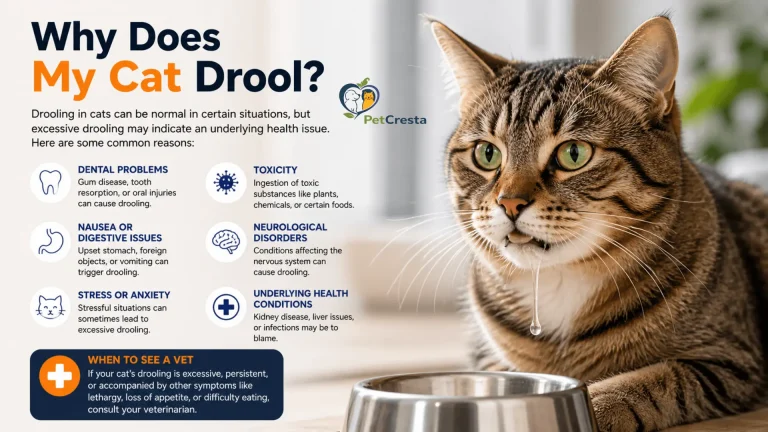
When a cat wants to eat but cannot follow through, a closer look at the mouth, nose, stomach, and general health is often needed. Mouth pain can show up in subtle ways, and owners may also notice changes, such as why does my cat drool, becoming a concern at the same time.
Why Do Cats Stop Eating
Appetite loss can happen for many reasons, but most causes fit into a few useful groups. Organizing them this way makes it easier to think through what may be going on.
Medical Causes
- Dental disease: A sore tooth, inflamed gums, a mouth ulcer, or an oral mass can make chewing painful. Some cats with dental pain approach food, sniff it, and then turn away.
- Nausea and gastrointestinal disease: Stomach upset, pancreatitis, constipation, inflammatory bowel disease, or an intestinal blockage can all reduce appetite and make eating uncomfortable.
- Kidney disease, liver disease, diabetes, and hyperthyroidism: These conditions can affect both appetite and drinking patterns. Some cats eat less because they feel nauseated, while others lose interest in food because they feel generally unwell.
- Upper respiratory infections: Cats rely heavily on smell to recognize food. When the nose is congested, meals may no longer smell appealing, which can lead to poor intake.
- Pain elsewhere in the body: Arthritis, injury, fever, and internal discomfort can all make a cat choose rest over eating.
Stress And Environmental Causes
Cats are creatures of routine. Moving, boarding, new pets, guests, feeding near a noisy appliance, or conflict with another cat at mealtime can all reduce appetite.
An owner’s absence can also affect some cats. A sensitive cat may eat poorly when the usual person is away or when the home routine changes sharply.
Stress can be a real cause, but it should be used carefully. If appetite loss persists, it is safer to assume a medical cause has to be ruled out.
Food And Feeding Related Causes
A sudden food change can trigger refusal, especially if the smell, texture, or temperature is very different. Some cats reject a new dry food, while others refuse wet food after a routine change.
Changes In Food Preference
Some cats do not stop eating completely. Instead, they begin refusing one type of food while still showing interest in something else. This may happen because of dental pain, nausea, stress, food aversion, or a change in smell, texture, or freshness.
- Cat stopped eating dry food: This may happen with mouth pain, sore gums, or difficulty chewing hard kibble. A change in freshness or smell can also play a role.
- Cat not eating wet food: This may be linked to texture, temperature, flavor, or a recent food change. If the cat normally eats wet food and suddenly refuses it, the change should be watched closely.
- Cat refusing to eat: Refusing all meals is more concerning than rejecting one food type. A cat that stops eating completely should be judged by the same 24-hour rule, especially if vomiting, weakness, or poor drinking are also present.
Food that is stale, poorly stored, or served in a bowl the cat dislikes may also be rejected. Sometimes the cat looks hungry but does not trust the food being offered.
Food aversion can occur after illness or treatment. A cat that felt sick after eating may begin avoiding that food even when the original problem is starting to improve.
Toxins And Poisonous Exposure
Some plants, medications, household chemicals, and toxic foods can suppress appetite and make a cat feel ill. Lilies are especially important because they can seriously affect the kidneys. Cat loss of appetite can follow irritation or toxin exposure, so concerns like are monsteras toxic to cats should be taken seriously if a cat has chewed a houseplant.
If there is any chance of toxin exposure, appetite loss should be treated more urgently. It is safer to mention every possible exposure, even if it seems minor, when speaking with a veterinarian.
What The Vet Will Check
A veterinary visit for appetite loss usually starts with careful history taking and a physical exam. The goal is to decide whether the issue looks mild and short-lived or whether a broader medical workup is needed.
Knowing what to expect can help make it feel more manageable. The veterinarian is not only asking whether the cat ate. The deeper question is why eating has changed.
Questions The Vet May Ask
- When did the appetite change start? The veterinarian may want to know whether the change began suddenly or built up over several days.
- Has the cat eaten anything at all? Even a small amount matters, because eating a few bites is different from refusing food completely.
- How much water has the cat had? Water intake helps show whether dehydration may also be developing.
- Does the cat still seem interested in food? A cat that sniffs food and walks away creates a different picture from a cat that ignores the bowl completely.
- Has there been vomiting, diarrhea, or constipation? Digestive signs often help point toward nausea, stomach upset, or intestinal disease.
- Have there been urination changes? A change in litter box habits can suggest dehydration, urinary disease, kidney disease, or other internal problems.
- Are there any breathing or respiratory signs? Coughing, sneezing, or congestion may explain why food seems less appealing.
- Has the cat been hiding, weak, or sleeping more than usual? These behavior changes can make the problem more concerning.
- Has there been any weight loss? Weight loss may suggest that the issue has been going on longer than it first appeared.
- Have there been recent life changes? Boarding, a move, new pets, visitors, or routine changes can affect appetite in some cats.
- Was there a recent food change or medication change? New food, new medicine, or side effects can all affect eating behavior.
- Could there have been toxin exposure? Plants, chemicals, human medicines, or unsafe foods are important details to mention.
Physical Exam And Common Tests
The exam often includes weight, hydration, temperature, oral exam, abdominal palpation, and a general assessment of pain, breathing, and body condition.
Depending on what is found, the veterinarian may recommend bloodwork, urinalysis, fecal testing, X-rays, or ultrasound. These tests help uncover causes such as kidney disease, liver disease, pancreatitis, obstruction, infection, or other internal problems.
| History → physical exam → hydration and mouth check → blood and urine testing if needed → imaging if needed → treatment plan |
Treatment And Recovery
Treatment depends on the cause. A cat with dental pain needs a different solution from a cat with kidney disease, a respiratory infection, or intestinal blockage. Supportive care often starts before every answer is available because the cat still needs fluids, comfort, and nutrition.
The sooner treatment begins, the better the chance of preventing the appetite loss from becoming a deeper nutritional problem.
How Vets Treat And Monitor A Cat That Has Stopped Eating
Treatment depends on the cause. A cat with dental pain needs a different plan from a cat with kidney disease, pancreatitis, an upper respiratory infection, or an intestinal blockage. The first priority is to identify why eating has changed and to begin support before nutritional decline becomes more severe.
Supportive care may include fluids, pain control, anti-nausea medication, appetite stimulants, temporary diet changes, or assisted nutrition. In some cases, a feeding tube may be recommended when a cat cannot maintain intake by mouth.
Recovery should be judged by actual intake, hydration, energy, weight, and litter box habits rather than by a few bites taken here and there. Some cats improve quickly once the cause is treated. Others recover more gradually and need closer monitoring over several days.
Prevention And Ongoing Monitoring
Not every appetite problem can be prevented, but several habits make early detection easier. A stable feeding routine, clean bowls, fresh water, gradual food changes, dental care, and regular veterinary visits all help.
It also helps to know what normal looks like for that cat. Normal intake, preferred bowl type, usual drinking pattern, and litter box habits create a baseline. Once that baseline is familiar, changes are easier to catch early.
Monitoring checklist
- Know the cat’s normal daily food intake
- Notice changes in drinking patterns
- Watch the litter box every day
- Keep food transitions gradual
- Make the feeding area calm and clean
- Schedule routine health and dental checks
Conclusion
A cat may be able to survive beyond a day without food, but that is not the standard that protects health. For most cats, 24 hours without eating, or a full day of eating far less than usual, is enough reason to seek veterinary advice.
The concern becomes sharper when water intake falls, when vomiting or lethargy appears, or when the cat is a kitten, a senior, or overweight. Early action is usually simpler, safer, and more successful than waiting for obvious collapse.
FAQ: How Long Can A Cat Live Without Food
Some cats may remain alive for that long, especially if they are still drinking, but survival is not the right measure of safety. A cat that has not eaten for 24 hours already deserves veterinary guidance. By three days, weakness, dehydration, and liver complications may become much more likely, especially in overweight cats or cats with other illnesses.
In two days, the concern rises substantially. The cat may become weaker, more dehydrated, and harder to support nutritionally. In some cats, especially overweight cats, liver complications may begin to build. A cat that has not eaten for two days should not be managed with home observation alone
Yes, stress can reduce appetite. A move, boarding stay, new pet, visitors, loud feeding area, or change in routine can all affect a sensitive cat. Still, prolonged appetite loss should never be assumed to be stress alone. If the pattern continues, a medical cause still has to be considered.
Yes. Cats can develop hepatic lipidosis when they stop eating, and the body starts moving fat stores too aggressively. Overweight cats are at higher risk, but any cat with prolonged appetite loss deserves attention. This is one of the main reasons food refusal in cats should never be dismissed as simple stubbornness.
Decreased appetite in cats can be caused by many different problems, including dental pain, nausea, stomach upset, kidney disease, liver disease, infection, stress, and food aversion. Some cats also eat less after a move, a new pet, boarding, or a sudden food change. When the drop in appetite lasts more than a day, the cause should not be guessed at for too long.
A cat may survive several days without food if water is still available, but survival is not the safest measure to use. In practice, most cats should not go more than 24 hours without eating before veterinary advice is sought. Waiting too long can increase the risk of weakness, dehydration, and fatty liver problems.
Appetite can sometimes improve when food smells stronger, the feeding area is calmer, and nausea or pain is addressed. Warming wet food, offering familiar flavors, and reducing stress may help mild cases. When appetite loss persists, proper treatment often depends on finding the underlying cause rather than only trying to tempt the cat to eat.
A sick cat should be offered gentle, familiar, easy-to-smell food in small amounts, with close attention to hydration and comfort. Wet food is often more useful because it adds moisture and usually smells stronger than dry food. A sick cat that still refuses food may need anti nausea treatment, pain control, fluids, or other veterinary support rather than repeated home attempts.
Cats may stop eating because of dental disease, stomach upset, kidney disease, liver disease, pancreatitis, upper respiratory infection, pain, stress, or toxin exposure. Some cats stop because they want to eat but feel too nauseated or uncomfortable to do it. Appetite loss is often a symptom of another problem, not the main diagnosis itself.
When a cat approaches the bowl, sniffs food, or seems hungry but does not actually eat, mouth pain, nausea, congestion, or food aversion may be involved. It helps to offer familiar wet food, warm it slightly, and keep the feeding area quiet. If the cat still cannot eat normally, a veterinary evaluation is the safer next step.
A cat that is barely eating should be watched closely because a few bites are not the same as normal daily intake. Track exactly how much food and water the cat takes in over 24 hours, and look for vomiting, hiding, weakness, or litter box changes. If the cat continues eating very little, the problem should be treated as a medical concern rather than simple pickiness
References
- Colonial Park Veterinary Hospital
Cat Not Eating: Understanding the Causes and When to Seek Help - Veteris
Why Is My Cat Not Eating?