Are Carnations Toxic To Cats? Symptoms, Risk, And What To Do
Carnations are common in bouquets, holiday arrangements, and home décor. They look harmless, but they are not considered safe for cats.
In most cases, carnation exposure causes mild irritation rather than the most severe form of plant poisoning. A cat that chews petals, leaves, or stems may drool, vomit, have diarrhea, or show mild irritation around the mouth or skin.
That still does not make carnations a safe flower for a cat’s home. A mixed bouquet can contain higher-risk flowers, and even a mild toxin can become more concerning in kittens, senior cats, or cats that already have stomach or health issues.
TL;DR: Are Carnations Toxic to Cats?
Yes. Carnations are toxic to cats. In most cases, the reaction is mild, but the flower is still not considered safe.
A cat that chews petals, leaves, or stems may drool, vomit, develop diarrhea, or show mild irritation around the mouth or skin. The risk is usually lower than with true lilies, but it should never be ignored.
If your cat gets into a carnation, remove the flower, check the full bouquet for other plants, and monitor closely for symptoms.
Carnation Toxicity: At A Glance
| Item | Details |
|---|---|
| Common name | Carnation |
| Botanical name | Dianthus caryophyllus |
| Safe for cats? | No |
| Toxicity level | Usually mild |
| Toxic principle | Unknown irritant |
| Main concern | Stomach irritation and mild skin irritation |
| Common signs | Drooling, vomiting, diarrhea, mild mouth discomfort, mild skin irritation |
| Highest risk exposure | Chewing petals, leaves, stems, or drinking vase water |
| Contact risk | Mild irritation can happen after rubbing against the plant or getting plant material on the coat |
| Emergency level | Usually not the same kind of emergency as true lilies |
| First step | Remove the flower, check the bouquet, and monitor the cat |
| When to call the vet | If symptoms appear, continue, or another flower may be involved |
Why Carnations Can Upset Cats?
Carnations are believed to contain an irritant that can upset the digestive tract and sometimes irritate the mouth or skin. The exact compound is not always described with certainty, but the practical result is consistent.
When a cat chews or rubs against the plant, the most common problem is irritation. That irritation may affect the mouth, stomach, intestines, or skin.
Even mild symptoms deserve attention because repeated vomiting or diarrhea can lead to dehydration. Cats also hide discomfort well, so a quiet or withdrawn cat after plant exposure should not be brushed off too quickly.
Simple Exposure Pattern
Chewing or contact
↓
Irritation of the mouth, stomach, or skin
↓
Drooling, vomiting, diarrhea, redness, itching
Which Parts Of The Carnation Matter?
All accessible parts should be treated with caution. That includes petals, leaves, stems, pollen, and any damp plant material left in the vase area.
A curious cat may not eat a whole flower. It may chew the edge of a petal, mouth the stem, bat a fallen piece onto the floor, or lick plant residue from the paws after playing with the bouquet.
A fresh arrangement and a potted carnation can both create exposure. Bouquets are often more complicated because they may also contain filler greenery, floral preservatives, ribbons, wrap, and other flowers that are harder to identify.
Types Of Carnation Flowers: Do Different Varieties Change The Risk?
Not every carnation looks the same in a bouquet. Some are sold as standard carnations, some as mini carnations, and some under related common names such as Sweet William or pinks.
The safest approach is not to guess based on flower size, color, or bouquet label. If the flower is a carnation or a closely related dianthus type, it should not be treated as cat safe.
| Type or common name | Safe for cats? | What to know |
|---|---|---|
| Standard carnation | No | Treat it as unsafe if chewed or mouthed |
| Mini carnation | No | Smaller blooms should not be assumed to be safer |
| Sweet William | No | A related carnation-type flower that should still be treated as unsafe |
| Pinks | No | Not a safer option just because the name is different |
| Wild carnation | No | Follow the same caution and keep it out of reach |
| Mixed bouquet with an unknown carnation type | No | If the stems are unclear, treat the arrangement as unsafe |
A smaller flower is not automatically a safer flower. A different common name does not lower the risk. In practice, the rule is simple: if it looks like a carnation or belongs to a similar dianthus group, keep it away from cats.
Symptoms To Watch For
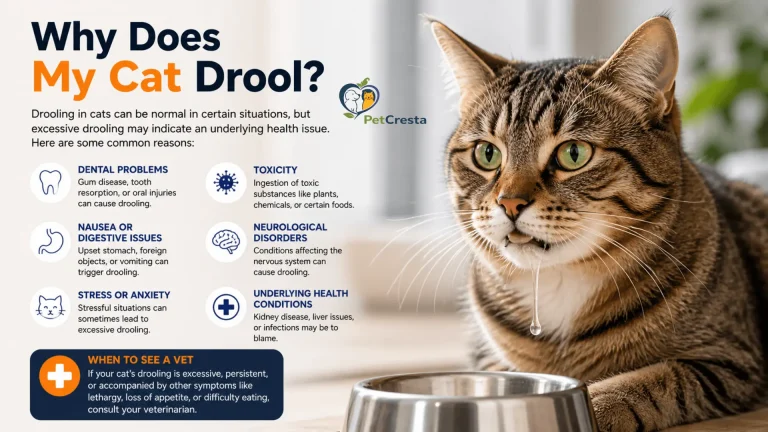
Most cats show digestive signs first. Drooling is one of the most common early signs after plant exposure, but it can happen for many other reasons too, so this guide on why does my cat drool can help put the symptom in context. Some also show mouth or skin irritation after contact. Signs may appear soon after exposure, but some cats seem normal at first and show symptoms a little later.
Common early signs include:
- drooling
- vomiting
- diarrhea
- nausea
- lip smacking
- mild appetite drop
- mild stomach discomfort
Mouth or contact irritation may look like:
- pawing at the mouth
- face rubbing
- mild redness
- itchiness
- mild skin irritation
- grooming the area more than usual
What Mild Symptoms Can Look Like
| Mild signs | What it may look like at home |
|---|---|
| Short drooling episode | Wet chin or repeated lip licking |
| One vomit episode | Vomits once, then settles |
| Mild nausea | Quiet, lip-smacking, less interested in food |
| Soft stool | Mild diarrhea without major weakness |
| Mild skin irritation | Face rubbing, scratching, or extra grooming |
Signs That Need Quicker Action
| Concerning signs | Why they matter |
|---|---|
| Repeated vomiting | Can lead to dehydration |
| Ongoing diarrhea | Fluid loss becomes more important |
| Refusing food or water | Recovery becomes harder |
| Weakness or lethargy | May signal worsening irritation or dehydration |
| Hiding and looking uncomfortable | Cats often hide pain and nausea |
| Possible exposure to another flower | Mixed bouquets raise the risk level |
How Soon Symptoms Start And How Long Recovery Takes
Signs often begin soon after exposure, though some cats seem normal at first and only show symptoms a little later. Drooling, vomiting, diarrhea, or mouth irritation may appear within minutes to a few hours.
In a simple carnation exposure, mild signs often improve within several hours to about a day once the plant is removed and the cat stays hydrated. If symptoms keep going, worsen, or the bouquet contents are not fully known, call your vet.
What To Do If Your Cat Ate A Carnation?
Home monitoring may be reasonable if the amount eaten was very small, the flower is clearly identified as a carnation, the cat seems normal, and there is no repeated vomiting or ongoing distress.
First Steps Checklist
- Remove the flower or bouquet.
- Pick up fallen petals and leaves.
- Check the arrangement for other flowers.
- Move the vase out of reach.
- Wipe visible plant debris from the mouth or fur.
- Offer fresh water.
- Note what part was eaten.
- Estimate how much was eaten.
- Take a photo of the flower, bouquet tag, or vase setup.
A same-day vet call makes more sense if symptoms have already started, the cat is very young or older, the bouquet contained unknown flowers, or the cat seems weak or dehydrated.
Do not induce vomiting at home unless a veterinarian tells you to do so. Do not assume the carnation was the only plant involved, and do not forget to check whether the cat drank the water in the vase.
Quick Action
| Situation | Best response |
|---|---|
| One small nibble, no symptoms | Monitor closely |
| Vomiting once, then normal | Continue monitoring |
| Repeated vomiting or diarrhea | Call the vet |
| Unknown bouquet contents | Call the vet |
| Possible lily in the bouquet | Treat as urgent |
Do not induce vomiting at home unless a veterinarian tells you to do so. Do not assume the carnation was the only plant involved, and do not forget to check whether the cat drank the water in the vase.
When To Call The Vet Or Poison Control
A single nibble of a known carnation with no symptoms may only need close home monitoring. Still, there are times when a same-day call is the better move.
Call a veterinarian or pet poison control sooner if:
- The cat is a kitten or a senior
- The cat has an ongoing medical condition
- Vomiting happens more than once
- Diarrhea continues
- The cat will not eat or drink
- The amount eaten is unclear
- The bouquet contained unknown flowers
- Is there any chance a lily was present
If the main problem is uncertainty, that alone is enough reason to call. Keep the plant photo, bouquet label, and timing of exposure ready. That information can make triage faster and more accurate.
What The Vet May Do
For a straightforward carnation exposure, treatment is usually supportive. The veterinarian will focus on what was eaten, when it happened, how much may have been swallowed, whether vase water or another flower may be involved, and how the cat is acting now.
The visit may include a physical exam, hydration check, and review of symptoms. There is no specific antidote for carnation exposure, and there is no single test that confirms it on its own. Diagnosis is usually based on the exposure history, the symptom pattern, and the exam findings.
If signs are more than mild, the cat cannot keep water down, or another problem needs to be ruled out, the vet may recommend blood or urine testing. Some cats only need monitoring and symptom relief. Others may need anti-nausea treatment, fluids, or a closer exam if vomiting, diarrhea, or weakness continue.
The outlook is usually good when the exposure was limited to carnations and the signs remain mild.
Can Cats Be Around Carnations?
Being in the same home as carnations is not the same as eating them, but access is what matters most.
The real questions are simple. Can the cat reach the flower? Can it chew the petals? Can it rub against the plant? Can petals fall onto the floor? Can the cat lick plant residue from the coat later?
Exposure Level Guide
| Type of exposure | Level of concern |
|---|---|
| Smelling the flower | Lower concern |
| Brushing against it | Mild concern |
| Chewing petals or stems | Higher concern |
| Drinking vase water | Higher concern |
| Repeated access to the bouquet | More concerning |
Carnations kept truly out of reach are less likely to cause problems, but many cats climb, stretch, jump, and revisit arrangements. In practice, a closed room is safer than a high shelf.
Mini carnations should be treated the same way as standard carnations. Their smaller size does not make them safe.
Real-Life Situations
These are the situations cat owners usually face at home.
My Cat Ate A Few Petals
This may lead to mild stomach upset or no obvious signs at all. It is still smart to monitor for drooling, vomiting, diarrhea, and appetite changes over the next several hours.
My Cat Chewed The Stem Or Leaves
That still counts as exposure. A stem chewing cat may swallow more plant fiber and irritants than expected, so symptoms may be more noticeable than with one tiny petal.
My Cat Only Sniffed The Flower
That is usually less concerning than chewing. The bouquet still should not stay where the cat can come back and start batting or biting at the petals later.
My Cat Rubbed Against Carnations And Now Seems Itchy
Mild contact irritation can happen. Clean off visible plant material and monitor closely. Call the vet if the irritation continues or the cat seems distressed.
My Cat Ate A Carnation, But Seems Normal
That can happen. Mild signs do not always appear right away. A normal-looking cat still deserves a watch period, especially if the amount eaten is unclear.
My Cat Drank From The Vase
This matters more than many owners expect. Vase water may contain plant residue, petal fragments, pollen, or floral preservatives, so it should be treated as part of the exposure.
My Cat Got Into A Mixed Bouquet And I Am Not Sure What Was Chewed
That raises the concern level. If the arrangement contained unknown stems or any flower that might be a lily, contact a veterinarian rather than guessing.
Mixed Bouquets And Vase Water
A single carnation is one situation. A mixed bouquet is another.
Mixed arrangements matter more because the carnation may not be the only plant involved. Filler greenery, fallen petals, vase water, and floral preservatives all add uncertainty. The most dangerous stem in the bouquet may not be the one the cat first touched.
Bouquet Risk Comparison
| Situation | Risk level |
|---|---|
| One clearly identified carnation | Lower concern |
| Mixed bouquet with known flowers | Moderate concern |
| Mixed bouquet with unknown flowers | Higher concern |
| A bouquet that may include lilies | Urgent concern |
More Dangerous Bouquet Flowers
| Flower type | Why it matters |
|---|---|
| True lilies | Very dangerous to cats and can be a true emergency |
| Unknown lily-like stems | Should be treated with urgent caution until identified |
| Unclear mixed bouquet | The risk cannot be judged safely without plant identification |
Cats sometimes drink from vases. That can expose them to plant residue, small leaf pieces, pollen, petal fragments, and floral preservatives. If the bouquet is not fully identified, it is better to be more cautious than you would be with one known carnation.
Safer Alternatives To Carnations
A cat home does not need to be flower-free, but it does need more careful plant choices.
If indoor bouquets are important, choose flowers that are generally considered safer for cats and still verify each arrangement before bringing it home. A single safe flower can become a problem if the bouquet also includes unknown greenery or mixed stems.
Simple Replacement Ideas
| Better choice for many cat homes | Why it helps |
|---|---|
| Roses | Often chosen as a safer bouquet option |
| Orchids | Common indoor flowers with lower concern in many cases |
| Sunflowers | Often used as a safer visual alternative |
| Verified cat safe greenery | Reduces the risk from filler plants |
The safest rule is to confirm every stem, not just the showy flower at the center of the arrangement.
How To Prevent Problems In A Cat Home
The easiest solution is not better treatment. It is better access control.
Do not rely on the idea that a bouquet is safe because it sits on a counter or high shelf. Many cats climb, stretch, and investigate when the room is quiet.
Prevention Checklist
- Keep bouquets in closed, cat-free rooms.
- Ask what flowers are in mixed arrangements.
- Remove wilted petals and leaves quickly.
- Do not leave plant clippings on counters.
- Throw away damaged stems promptly.
- Do not leave vase water where a cat can drink it.
- Choose verified non-toxic flowers when possible.
It also helps to check common indoor plants one by one, and this page on are monsteras toxic to cats covers another plant owners often keep inside the home. A wobbly arrangement on a table edge can create more than one problem at once: plant exposure, a spill, and scattered debris across the floor.
Bottom Line
Carnations are toxic to cats, but the effects are usually mild rather than severe. The most common problems are drooling, vomiting, diarrhea, and mild irritation after chewing or contact.
The flower still does not belong in the safe category. If your cat gets into carnations, remove access, check the full bouquet, and watch closely for symptoms. If signs develop, the amount is unclear, or the arrangement includes unknown flowers, call your vet.
FAQ’s
No. Carnations are toxic to cats and should not be treated as safe house flowers. Most exposures cause mild stomach upset or mild skin or mouth irritation, but that still makes them a poor choice for a cat-accessible home.
Many cats develop mild symptoms such as drooling, vomiting, diarrhea, nausea, or mild mouth irritation. Some show only one sign, while others seem normal at first and react a little later.
Signs often begin soon after exposure, though some cats may not show clear symptoms until a few hours later. In mild cases, the problem often settles within several hours to about a day once exposure stops.
A same-day call is a good idea if vomiting happens more than once, diarrhea continues, the amount eaten is unclear, the cat seems weak, or the bouquet contained unknown flowers. Treat any possible lily exposure as urgent.
No. Smaller blooms and related dianthus names should not be assumed to be safer. If the flower is a carnation or a closely related dianthus type, it should still be kept away from cats.
Yes. Vase water may contain plant residue, petal fragments, pollen, or floral preservatives. Mixed bouquets are more concerning because the real risk may come from another stem, not the carnation itself.
Yes. Some cats show mild redness, itching, face rubbing, or pawing at the mouth after contact with plant material. Remove the exposure and monitor closely.
Yes. Many cats recover well from a simple carnation exposure, especially when the amount was small, and no other toxic flower was involved. Monitoring still matters because vomiting, diarrhea, and dehydration can still become more significant if signs continue.
Reference’s