Why do cats drool? Causes, Red Flags, and Next Steps
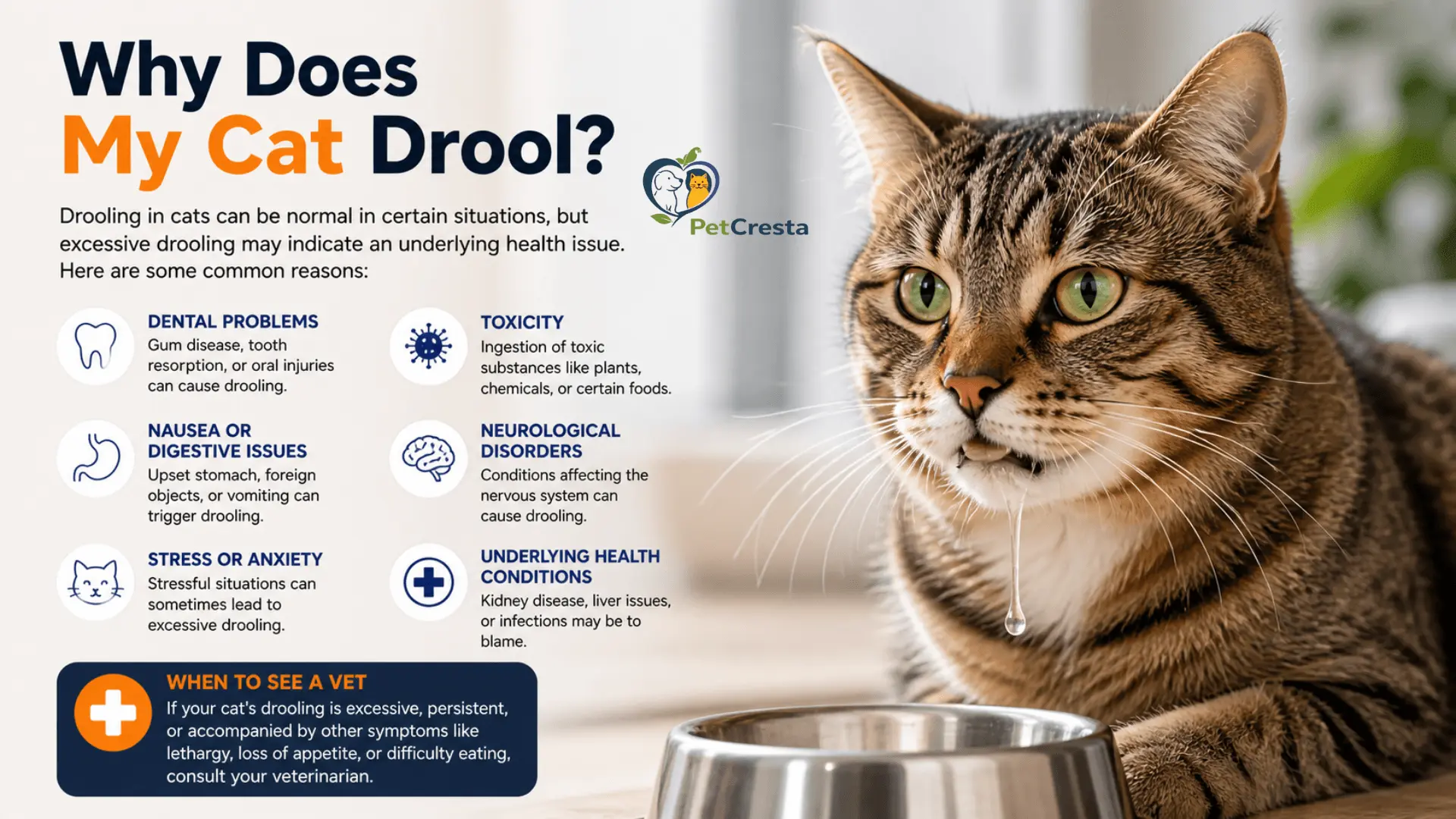
Cat drooling can be harmless in a few situations, but it can also be an early sign that something is wrong. A light dribble during purring, kneading, petting, or deep sleep may be normal for some cats. New, heavy, repeated, or unexplained drooling is different.
The meaning depends on context. The amount of saliva, how long it lasts, what triggered it, and whether other signs appear at the same time all matter. Bad breath, mouth pawing, sneezing, vomiting, appetite loss, weakness, or breathing changes move drooling into a more concerning category.
This guide explains what normal drooling looks like, which causes deserve closer attention, when to call a veterinarian, and what to do right away if the pattern looks urgent.
TL;DR: Is Cat Drooling Normal or a Sign of a Problem?
Cat drooling is easiest to judge by pattern, not by saliva alone.
Usually More Reassuring
Light, brief drooling during purring, kneading, petting, deep sleep, or short food anticipation can be harmless in some cats. This pattern should stay mild and should not come with pain, bad breath, vomiting, breathing changes, or appetite loss.
Call A Vet Soon
New, repeated, heavy, or unexplained drooling is less typical. A prompt veterinary visit is the safer choice when drooling appears with bad breath, mouth pawing, sneezing, vomiting, reduced appetite, or a behavior change.
Seek Urgent Or Emergency Care Now
Drooling after licking a plant, cleaner, medication, or unknown substance needs faster attention. The same is true if drooling appears with panting, open-mouth breathing, collapse, severe weakness, choking concern, or trouble swallowing.
Key Takeaways
- A few patterns are more reassuring, while others need faster attention.
- The safest way to judge drooling is by trigger, amount, duration, and other symptoms.
- Light drooling during purring, kneading, petting, or deep sleep can be normal in some cats.
- New drooling that keeps returning is not a typical pattern and should be checked.
- Bad breath, mouth pain, sneezing, vomiting, appetite loss, or unusual behavior make drooling more concerning.
- Toxin exposure, trouble swallowing, open mouth breathing, collapse, or severe weakness need urgent care.
A Glance At: Why Do Cats Drool?
The simplest way to judge drooling is to compare the pattern, not just the symptom itself. A tiny dribble during a known comfort moment is very different from heavy saliva with pain, odor, vomiting, or appetite loss.
| Feature | More reassuring | More concerning |
|---|---|---|
| Trigger | Petting, purring, kneading, sleeping | No obvious trigger, sudden onset |
| Amount | Light dribble | Heavy, constant, foamy, or stringy saliva |
| Duration | Brief | Persistent or repeated |
| Appetite | Normal | Reduced or absent |
| Other signs | None | Bad breath, vomiting, sneezing, pain, panting |
| Next step | Monitor | Call a vet |
Quick Answer: Why Is My Cat Drooling?
Cats usually drool for one of two broad reasons. The first is a harmless comfort response, such as purring, kneading, being petted, or sleeping deeply. The second is a medical or stress-related cause, such as dental disease, mouth pain, nausea, toxins, foreign material, infection, heat stress, medication taste reactions, or internal illness.
Normal drooling is usually light, short, and tied to a familiar trigger. Concerning drooling is new, heavy, frequent, or paired with signs like bad breath, pawing at the mouth, sneezing, vomiting, reduced appetite, or behavior changes.
When Cat Drooling Is Normal
Not every drooling episode means illness. In some cats, drooling is simply part of a strong comfort response. The more reassuring pattern is light, brief, familiar, and linked to a calm or pleasant trigger.
A Cat Drooling While Purring Or Kneading
Some cats drool when they feel deeply relaxed. This is often seen during purring, kneading, or lap time. The pattern is usually predictable and mild.
This kind of drooling often starts early in life and continues as a harmless habit. It should stay light and should not come with bad breath, pain, or appetite changes.
Cat Drooling When Happy Or When Being Petted
A cat drooling while petting because the body is fully relaxed and content. This is similar to purring-related drooling and is often seen when the cat settles into a routine comfort state.
If the drooling only happens during affection and the cat is otherwise normal, it is usually not a problem. If it starts becoming heavier or begins happening outside calm moments, it deserves a closer look.
A Cat Drooling While Sleeping Or Deeply Relaxed
A small amount of saliva during deep sleep can happen in some cats. Relaxed facial muscles and a deep sleep posture can allow a light dribble.
Heavy drooling during sleep is less typical. If sleep drooling is new, excessive, or paired with mouth odor, sneezing, reduced eating, or another change, the cause may not be simple relaxation.
Cat Drooling Around Food Or Treats
A small amount of drool can happen in some cats when they smell food or expect a favorite treat. This is not as common as it is in dogs, but it can still happen.
This pattern is more reassuring when it only appears around food and stops quickly once the moment passes. Drooling that continues afterward, or happens away from food, should be judged differently.
Why Is My Cat Drooling All of A Sudden?
Sudden drooling deserves more attention than a long-standing harmless habit. A new pattern raises concern for pain, nausea, irritation, stress, toxins, infection, or another active medical problem.
The cause matters, but the full picture matters more. Amount, duration, trigger, and other symptoms help show how serious the situation may be.
Cat Drooling When Stressed
Stress can trigger drooling in some cats. This may happen during car rides, vet visits, loud noises, boarding, or sudden changes in routine.
Stress drooling often appears with other signs such as wide eyes, tense posture, vocalizing, hiding, or panting. If drooling continues after the stressful event has passed, another cause should be considered.
Dental Disease And Oral Pain
Dental disease is one of the most common medical reasons for drooling in cats. Inflamed gums, tooth root problems, tooth resorption, broken teeth, stomatitis, and oral ulcers can all increase saliva production.
Cats with oral pain may have bad breath, drop food, chew slowly, paw at the mouth, avoid dry food, or stop eating altogether. Some cats simply drool and seem quieter than usual.
Nausea, Stomach Upset, And Motion Sickness
Nausea commonly causes drooling in cats. In some cases, drooling appears before vomiting. In others, it comes with lip licking, repeated swallowing, hiding, or decreased appetite.
Motion sickness can cause drooling during car rides. Stomach irritation, dietary upset, and internal disease can also trigger nausea-related drooling.
Foreign Material In The Mouth Or Throat
A string, grass blade, small toy fragment, splinter, or bone piece can irritate the mouth or throat and cause sudden drooling. These cats may gag, swallow repeatedly, paw at the mouth, or act distressed.
Visible string should never be pulled from the mouth. That can worsen internal injury if the string extends farther down the digestive tract.
Toxins, Plants, Chemicals, And Bitter Substances
Cats may drool after licking an irritating plant, a cleaner, or another chemical. Saliva may become heavy or foamy if the mouth is irritated or if the substance causes nausea.
Sudden drooling after contact with an unknown substance is a red flag. If vomiting, weakness, tremors, or breathing changes appear, too, urgent care is needed.
Mouth Injuries And Burns
Oral trauma can lead to rapid drooling. This includes bite wounds, falls, broken teeth, chewing electrical cords, or irritation from hot or caustic material.
Pain may show up as drooling, blood in saliva, difficulty eating, or a reluctance to let the mouth be touched. Cats often hide oral pain well.
Medication-Related Drooling
Some medications can trigger drooling because they taste very bitter. This can happen with liquid medicine, a chewed tablet, or a topical product that has been licked from the coat.
A brief burst of drooling after a bad taste may stop once the taste fades. If drooling is heavy, repeated, or comes with vomiting, weakness, or unusual behavior, the reaction should not be treated as simple taste alone.
Infections And Painful Mouth Conditions
Upper respiratory infections can sometimes lead to drooling, especially when nasal congestion, fever, or mouth ulcers are present. Painful oral inflammation can also make swallowing uncomfortable.
A cat with drooling and infection-related mouth pain may sneeze, eat less, seem congested, or become unusually quiet.
Kidney Disease, Liver Disease, And Other Internal Illnesses
Internal disease can cause drooling through nausea, mouth ulcers, toxin buildup, or general discomfort. This is especially relevant in older cats or cats that also show weight loss, vomiting, thirst changes, or lethargy.
Drooling from an internal disease is usually not the only symptom. It is part of a larger pattern that becomes clearer over time.
Heat Stress And Heatstroke
Heat stress can cause drooling in cats, especially when it comes with panting, rapid breathing, weakness, or collapse. This is not a wait-and-see situation.
Cats showing drooling with overheating signs need urgent attention. Heat-related illness can worsen quickly.
Rare But Serious Causes
Less common causes include oral masses, certain neurologic problems, and severe toxin exposure. In rare cases, infectious diseases such as rabies can also affect swallowing and saliva control, especially when there is known exposure risk or a marked change in behavior.
These are not the first explanations in most cats, but they matter when drooling is persistent, unexplained, progressive, or paired with appetite loss, oral changes, behavior changes, or neurologic signs.
A cat that keeps drooling without a clear reason, especially if appetite or behavior is changing, needs a proper exam.
Read Also: Are Monsteras Toxic To Cats
What Drooling Means When It Happens With Other Signs
Drooling becomes easier to interpret when it appears with other symptoms. The extra signs often point more clearly toward the source of the problem.
The Cat Is Drooling And Sneezing
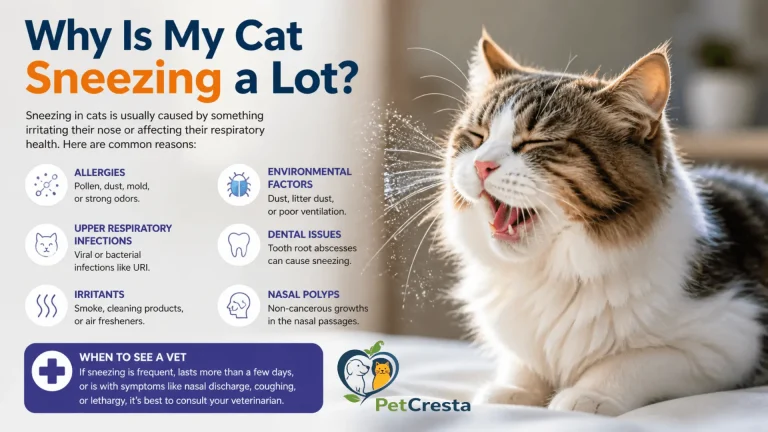
Drooling with sneezing often points toward an upper respiratory issue, a mouth ulcer, or painful inflammation around the mouth or throat. If nasal discharge, congestion, or appetite loss are also present, the chance of illness increases. If sneezing is the stronger symptom, this guide on cat sneezing a lot can help explain when nasal discharge, congestion, or appetite changes point to a respiratory problem.
This pattern is more concerning than simple purring-related drooling. It usually needs a veterinary visit if it continues.
Drooling And Bad Breath
Bad breath plus drooling strongly suggests oral disease. Gum inflammation, dental infection, tooth resorption, stomatitis, and oral ulcers are common reasons.
This combination should not be treated as a harmless dribble issue. A mouth exam is usually needed.
Drooling And Pawing At The Mouth
Pawing at the mouth can mean oral pain, a foreign object, ulceration, irritation, or trauma. Cats may also shake their heads or chew awkwardly.
This sign points toward a mouth problem until proven otherwise. Prompt evaluation is wise, especially if the cat is not eating well.
Drooling And Vomiting
When drooling happens with vomiting, nausea moves high on the list. Dietary upset, toxin exposure, stomach inflammation, motion sickness, and internal disease can all fit this pattern.
Repeated vomiting, lethargy, or not drinking should be taken more seriously than a single mild episode.
Drooling But Acting Normal
A cat that drools but otherwise seems normal may simply be showing a harmless comfort response, especially during petting, purring, or sleep. The reassurance is stronger when the pattern is familiar, light, and easy to predict.
A new drooling habit is different. Even when behavior seems normal, repeated or increasing drooling deserves closer monitoring and often a veterinary check.
Drooling And Not Eating
Drooling with reduced appetite or refusal to eat is more concerning. Oral pain, nausea, throat irritation, fever, and systemic illness all become more likely.
A cat that is drooling and not eating usually needs veterinary attention sooner rather than later.
Drooling, Panting, Open-Mouth Breathing, Or Collapse
This combination is an emergency. Heat stress, toxin exposure, severe pain, choking, or respiratory distress may be involved.
Emergency care should not be delayed in these cases. Trouble breathing or swallowing should always be treated as urgent.
The symptom pattern can often guide the next step more quickly.
| Drooling plus this sign | What can it suggest | Best next step |
|---|---|---|
| Sneezing | Upper respiratory illness, mouth ulcer, oral inflammation | Book a vet visit |
| Bad breath | Dental disease, stomatitis, infection | Oral exam needed |
| Mouth pawing | Pain, foreign object, trauma | Prompt vet visit |
| Vomiting | Nausea, stomach disease, toxin exposure | Monitor severity and call the vet if repeated |
| Not eating | Pain, nausea, illness | Same-day attention |
| Panting or collapse | Heat stress, toxins, and emergency illness | Emergency care now |
When To Call A Vet
Not every drooling episode needs the same response. Some cats can be watched at home for a short time, while others need same-day or emergency care.
Monitor At Home
Home monitoring may be reasonable when drooling is light, brief, linked to purring, kneading, petting, or sleep, and there are no other symptoms. Appetite, breathing, activity, and grooming should stay normal.
The pattern should also stop on its own. Normal drooling does not usually become heavier over time.
Schedule A Prompt Veterinary Visit
A prompt visit is the safer choice when drooling is new, repeated, heavy, or paired with bad breath, sneezing, vomiting, mouth pawing, or changes in eating. Senior cats with new drooling deserve extra caution.
A cat that is drooling more than usual without a clear comfort trigger should be examined.
Seek Urgent Or Emergency Care Now
Emergency care is needed if drooling occurs with toxin exposure, breathing trouble, collapse, severe weakness, heat stress, choking concern, severe mouth trauma, or inability to swallow.
These cases can worsen fast. Waiting for the symptom to pass is risky.
What If A Cat Is Constantly Drooling?
Constant drooling is not a normal pattern for cats. It usually points to a continuing problem such as oral pain, nausea, irritation, injury, or internal illness.
If drooling is happening most of the day, the cat should be examined. The need becomes more urgent when appetite, swallowing, breathing, or behavior has changed.
A same-day visit is a wise choice in several situations.
- New drooling with reduced appetite
- Repeated drooling with no clear trigger
- Drooling with bad breath or mouth pain
- Drooling, sneezing, and lethargy
- Any senior cat with a new drooling pattern
What To Do Right Now If A Cat Is Drooling
The safest first response is calm observation and removal from possible triggers. This is not the time for home remedies, force feeding, or trying to inspect a painful mouth too aggressively.
Safe First Steps
- Move the cat away from any possible trigger, such as a plant, chemical, or spilled product.
- Keep the cat in a quiet, cool, low-stress area.
- Watch breathing, swallowing, appetite, sneezing, vomiting, and general behavior.
- Check the mouth area only if it can be done safely and without force.
- Note when the drooling started and what happened right before it.
- Call a veterinarian promptly if the pattern looks painful, severe, or linked to exposure.
What Not To Do
- Do not pull the string from the mouth.
- Do not force the mouth open.
- Do not give human medication.
- Do not force food or water into a distressed cat.
- Do not wait if breathing looks abnormal or if toxin exposure is possible.
A simple action checklist can help in the moment.
| Do | Do not do |
|---|---|
| Observe for other symptoms | Pull objects from the mouth |
| Keep the cat cool and calm | Force-feed or medicate |
| Note possible exposures | Wait if breathing is abnormal |
| Call a vet if unsure | Assume heavy drooling is normal |
What The Vet Will Check
A veterinary visit often starts with a pattern review, then moves to a physical and oral exam. The goal is to find the cause rather than simply suppress the saliva.
Questions Likely To Matter
The veterinarian will usually ask when the drooling began, whether it is constant or occasional, and whether it seems linked to petting, sleep, eating, travel, medication, or stress.
Other signs matter too. Vomiting, sneezing, bad breath, appetite loss, weakness, and possible exposure to plants or chemicals can narrow the list quickly.
Physical And Oral Exam
The mouth, teeth, gums, tongue, and throat may need close evaluation. Hydration, breathing effort, temperature, pain level, and general body condition are also important.
If the mouth is very painful, a complete oral exam may need sedation. That is often the safest way to see what is really happening and to check under the tongue, around the molars, and along the gums.
Common Diagnostic Tests
Tests depend on the case. A painful mouth may need dental imaging or a sedated oral exam. A cat with vomiting, weight loss, or lethargy may need blood work and urine testing.
If a foreign object, chest issue, or deeper illness is suspected, imaging may also be recommended. The aim is to match the test plan to the most likely cause.
A practical summary looks like this.
| Exam or test | Why it may be needed |
|---|---|
| Oral exam | To look for ulcers, inflammation, broken teeth, or foreign material |
| Sedated mouth exam | To assess painful areas more fully and safely |
| Dental imaging | To check roots, hidden tooth disease, and resorptive lesions |
| Blood work | To look for organ disease, infection, dehydration, or toxin effects |
| Urine testing | To support the evaluation of kidney function and body hydration |
| Imaging | To check for foreign material, deeper disease, or complications |
What Are The Treatment For Cat Drooling?
Treatment depends on the cause. The saliva itself is usually only a symptom, so the best results come from fixing the source of the problem.
Treatment For Dental Or Mouth Disease
Oral problems are treated by addressing the pain source. That may include dental cleaning, tooth extraction, treatment for infection, or care for oral inflammation.
Once the painful problem is managed, drooling often improves quickly.
Treatment For Nausea And Stomach-Related Causes
Nausea-related drooling improves when the underlying trigger is treated. Supportive care may include anti-nausea medication, fluids, diet adjustment, and treatment of the illness behind the nausea.
The drooling itself is usually a symptom, not the full diagnosis.
Treatment After Toxin Or Irritant Exposure
If a toxin or irritant is involved, treatment depends on what was contacted and how severe the signs are. Decontamination, monitoring, fluids, mouth rinsing under guidance, and cause-specific care may all be used.
Fast action matters more than guessing at home remedies.
Treatment For Foreign Objects Or Injuries
A foreign object may need careful removal. Trauma may need pain control, wound care, or more advanced treatment if there is deeper injury.
Trying to manage these cases without an exam can delay the right care.
Treatment For Internal Illness
When drooling comes from kidney disease, liver disease, infection, or another internal issue, treatment is focused on the primary condition. Improvement may take more time than a simple oral problem.
Cause And Treatment Overview
| Cause | Typical treatment direction |
|---|---|
| Dental disease or stomatitis | Oral exam, cleaning, extractions, pain control |
| Nausea or GI upset | Anti-nausea care, fluids, and treat the trigger |
| Toxin or irritant | Decontamination, monitoring, supportive care |
| Foreign object | Safe removal, exam, and possible imaging |
| Mouth injury | Pain control, wound care, and further treatment if needed |
| Internal disease | Bloodwork, diagnosis, condition-specific care |
Can Cat Drooling Be Prevented?
Not every cause can be prevented, but several common problems can be reduced with routine care and safer home habits.
Prevent Mouth And Dental Problems
Regular oral health checks can help catch disease before drooling starts. Bad breath, food dropping, chewing changes, and mouth sensitivity should be taken seriously early.
Reduce Toxin Risks At Home
Plants, cleaners, medications, and topical products should be kept out of reach. Cats are small, fast, and curious, so accidental exposure can happen quickly.
Lower Stress-Related Drooling
Carrier training, quiet transport, and a predictable routine may help cats that drool during stress. Preparation matters most for travel-prone cats.
Keep up with routine and senior checkups
Older cats are more likely to drool from dental disease or internal illness. Regular exams make subtle changes easier to catch before they become bigger problems.
Conclusion
Cat drooling is not always a sign of illness. A light dribble during purring, petting, kneading, or deep sleep can be normal in some cats.
What matters is the pattern. Sudden drooling, excessive drooling, or drooling that appears with sneezing, bad breath, vomiting, pain, appetite changes, or breathing trouble should be taken more seriously. When the cause is unclear, a veterinary exam is the safest next step.
Read Also: Are Carnations Toxic To Cats?
FAQ’s
Heavy drooling is more concerning than a small, affectionate dribble. Common reasons include oral pain, dental disease, nausea, toxin exposure, injury, and foreign material in the mouth or throat. If the drooling is new, keeps happening, or comes with appetite loss, bad breath, vomiting, or unusual behavior, a veterinary visit is the safer choice.
Some cats drool during petting because they become deeply relaxed and content. This is usually more reassuring when it only happens during affection, and the cat eats, grooms, and behaves normally the rest of the time. If the drooling starts getting heavier or happens outside calm moments, it should be looked at more closely.
Cats may drool on laps, blankets, or clothing during purring and cuddling. In many cases, this is part of a comfort response and is not a sign of illness by itself. The pattern becomes less reassuring when it is new, excessive, or paired with bad breath, pain, poor appetite, or other symptoms.
Yes, some cats drool lightly during purring, kneading, petting, sleeping, or food anticipation. Normal drooling is usually mild, short-lived, and linked to a familiar trigger. It is less normal when it is sudden, heavy, repeated, or accompanied by pain, vomiting, odor, or a change in appetite or behavior.
A small amount of drool during deep sleep can happen in a very relaxed cat. This is more likely to be harmless when it is light, familiar, and not linked to any other change. Heavy, new, or repeated drooling during sleep should be judged more carefully, especially if there is mouth odor, sneezing, or reduced eating.
Yes, some cats drool during stress, especially with travel, vet visits, boarding, loud noise, or a sudden routine change. Stress drooling often appears with wide eyes, a tense body, hiding, vocalizing, or panting. It should improve once the trigger ends, and if it does not, another cause should be considered.
They can. Some cats drool when they feel especially safe and content during purring, lap time, or petting. This is one of the more common harmless explanations, but it should still stay mild and predictable, and should not be paired with illness signs.
Purring-related drooling is usually tied to deep relaxation. The saliva is often light and shows up in the same situations over and over, which makes it more reassuring. If the pattern changes or starts appearing when the cat is not relaxed, it is worth taking a closer look.
Drooling with sneezing can point toward an upper respiratory problem, oral inflammation, or painful mouth ulcers. The concern rises when nasal discharge, congestion, fever, lethargy, or reduced appetite are also present. A veterinary visit is sensible if the signs continue or the cat is not eating normally.
A cat can drool lightly and still act normally if the cause is simple relaxation, such as petting, purring, or sleeping. That is more reassuring when the pattern is familiar and brief. A new drooling habit is different, and even a normally acting cat may need an exam if the symptom keeps returning or gets heavier.
Drooling with poor appetite is more concerning because it often points to oral pain, nausea, throat discomfort, fever, or internal illness. Cats with painful teeth, inflamed gums, ulcers, or stomach upset may avoid food even when they want to eat. This combination usually deserves prompt veterinary attention.
Sudden heavy drooling deserves more attention than a long-standing mild dribble. Common causes include mouth pain, nausea, a foreign object, a toxin, a bitter medication taste, or a new illness. When the drooling starts suddenly and has no clear comfort trigger, it should be taken seriously.
Cats drool for a mix of harmless and medical reasons. The more reassuring causes include purring, kneading, petting, sleep, and sometimes food anticipation. Medical causes include dental disease, stomatitis, nausea, toxins, medication reactions, foreign material, infections, heat stress, and internal disease.
A light dribble can happen when a cat is very relaxed, sleepy, or enjoying affection. That is usually mild and brief. A new dribbling pattern, especially one that becomes frequent, heavy, or linked to appetite change or mouth odor, may point to pain or illness rather than comfort.
Excessive drooling usually means something is irritating the mouth, causing pain, or making the cat nauseous. If it is new, repeated, or paired with other symptoms, prompt veterinary advice is the safer choice.
References