Bichpoo Dog Breed Guide: Size, Temperament, Shedding, Care, And Cost
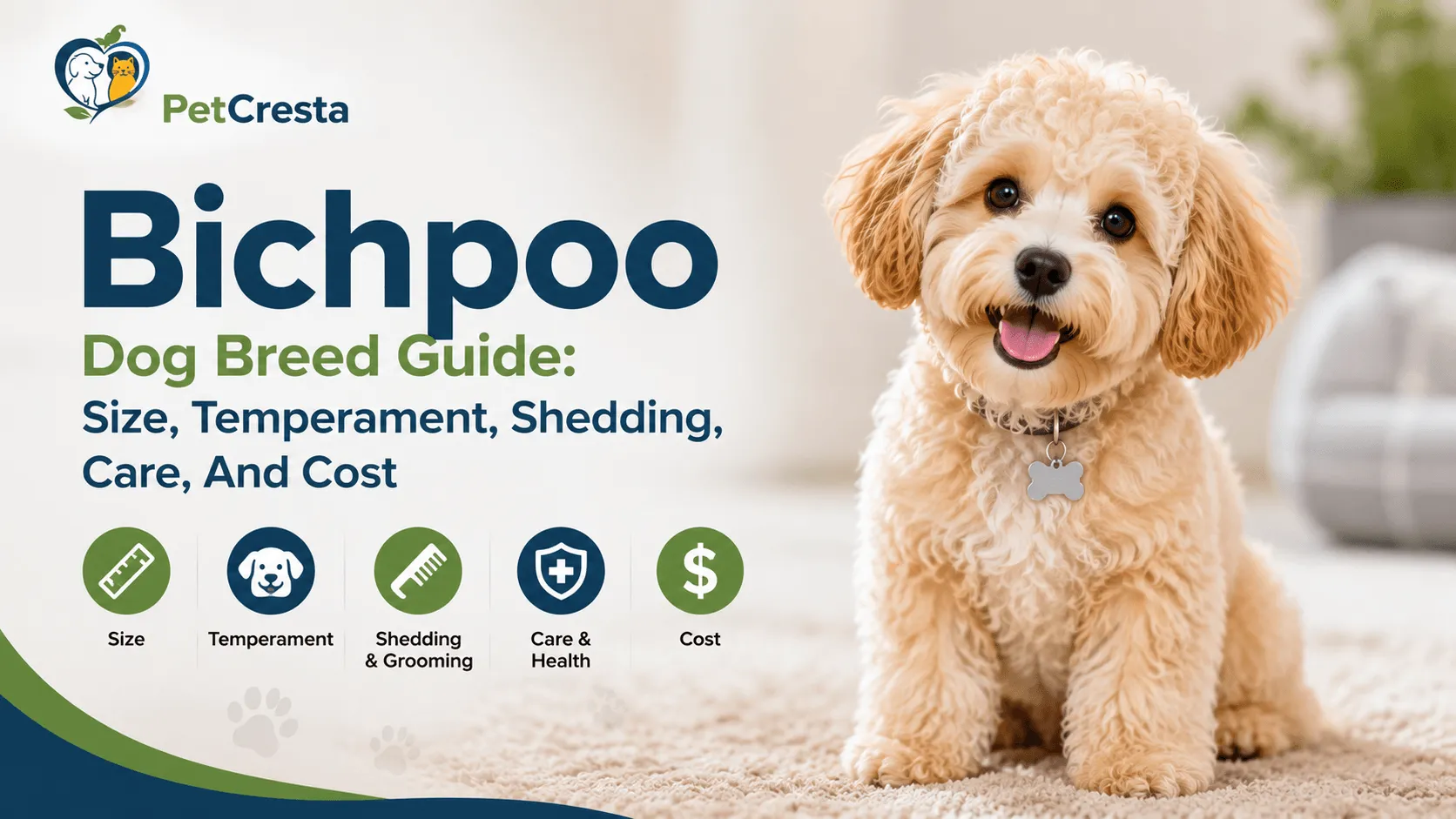
A bichpoo can be described as a small companion dog that is created by crossing two Bichon Frise with a Toy or Miniature Poodle. The bichon poodle mix, often referred to as a bichon frise poodle mix, is typically selected due to its sociable nature, small size and the soft coat that is low-shedding.
The appeal is real but, this isn’t an easy dog for any home. Dental care, coat care as well as training and interaction all contribute to the ease of a bichonpoo to be around for the long haul.
This guide is focused on the long-term health of a person and includes the size and temperament, coat maintenance, health, as well as costs, so the choice is based on actual life not just the appearance.
Quick Verdict: Is A Poochon Dog Right For You?
Yes, it could be an excellent fit in the right house. It is a great mix for those who seek a tiny loving, affectionate and playful pet who enjoys a close relationship with their family. A dog with a small amount of shedding might sound like a breeze on paper, but it does not mean that it’s easy in reality.
Best Fit
- Looking for homes with an indoor companion dog of a small size
- Owners who want to groom, brush and take care of dental hygiene regularly
- People who are looking for a loving pet that is eager to have daily interactions
- Families that are able to provide gentle, calm handling
- Apartments and smaller homes that have an exercise routine and dog control
- Owners who are open to training as well as structure and early independence
Weaker Fit
- The dog is likely to be left to itself for long periods of time on a daily basis.
- People are looking for a low-maintenance coat
- Buyers looking for a completely hypoallergenic dog or an allergy-proof pet
- Households looking for a calm dog with no training
- Families that have rough handling or extremely unpredictable behavior around the small dog
- Someone who is primarily focused on appearance without a plan for regular maintenance
- Bichonpoos are very affectionate. However, the most enjoyable relationship is when the home is set to handle the daily routine that is associated with the appeal.
What Is A Bichpoo?
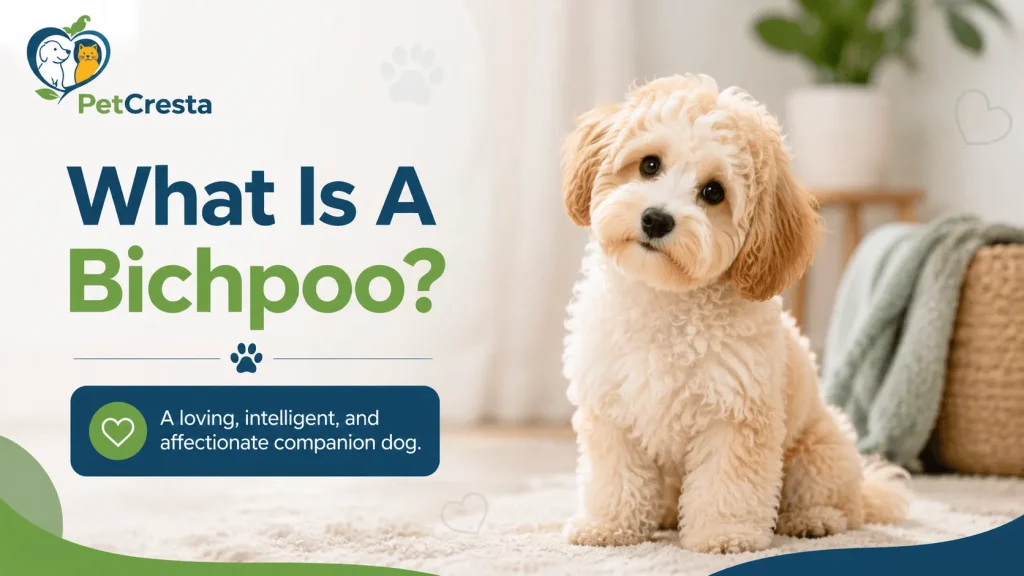
Poodle Bichon is a companion dog that is small and created by crossing the Bichon Frise with a Toy or Miniature Poodle. Some call it bichonpoo, bichapoo. If someone inquires about what the Bichon Frise and Poodle mix is the names typically refer to the exact dog, rather than distinct breeds.
The mix is often described as being part of the designer dog wave that became popular in the latter part of 1990, with Australia often being mentioned as the first place the cross gained more popularity. The idea was to blend the jolly, affectionate character and affection of the Bichon Frise with the affectionate, loving nature of the Poodle and the ability to think and the low-shedding coat characteristics that the Poodle has. This is why the bichonpoo is advertised as a loving and family-oriented pet.
But it is not a standardized purebred dog. Since it is a mixed breed, the size and coat texture, as well as the level of energy and temperament of a dog to dog, based on which traits from the parents manifest more clearly. Certain bichonpoos are more inclined to the Bichon part, whereas others are more like the Poodle clear, and therefore no one description is appropriate for every dog.
Also Called
- Poochon
- Bichonpoo
- Bichon poo
- Bichapoo
- Poodle Bichon mix
- Bichon Frise Poodle mix
Bichpoo vs Poochon: In the majority of instances, they are two names used to describe the identical dog, a Bichon Frise and a Poodle mix and not two distinct breeds.
Bichpoo History And Parent Breed Influence
The Bichon Frise gained more recognition as the designer-dog trend was popular in the late 1990s. The breed is typically tied to the aim of combining the loveable Bichon Frise and the wisdom and low-shedding coat characteristics that come with this breed. Toy or Miniature Poodle.
The Bichon side usually has a cheerful, people-oriented personality. The Poodle can bring training ability, alertness, and more curly coats. As this is not an unstandardized purebred dog the final outcome may differ depending on the puppy.
Responsible owners should take a look at each dog’s individuality and not just the mix’s name. The temperament of the parent, coat type as well as health testing and the early stage of socialization have more significance than the name.
Bicpoo Characteristics At A Glance
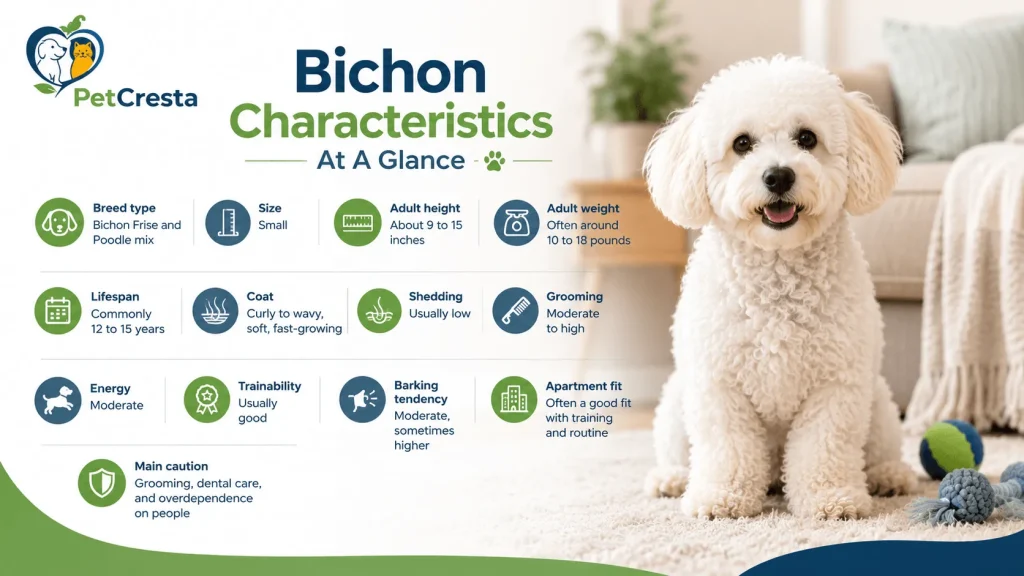
It is still in the small dog category, but the size can vary due to this being a mixed breed. The main factor is whether the poodle’s mother is Toy or Miniature.
| Category | What to Expect |
|---|---|
| Breed type | Bichon Frise and Poodle mix |
| Alternate names | Poochon, Bichonpoo, Bichon poo, Bichapoo, poodle bichon mix |
| Size | Small |
| Adult height | About 9 to 15 inches |
| Adult weight | Often around 10 to 18 pounds |
| Lifespan | Commonly 12 to 15 years |
| Coat | Curly to wavy, soft, fast-growing |
| Shedding | Usually low |
| Grooming | Moderate to high |
| Energy | Moderate |
| Trainability | Usually good |
| Barking tendency | Moderate, sometimes higher |
| Apartment fit | Often a good fit with training and routine |
| Main caution | Grooming, dental care, and overdependence on people |
Bichpoo Quick Ratings
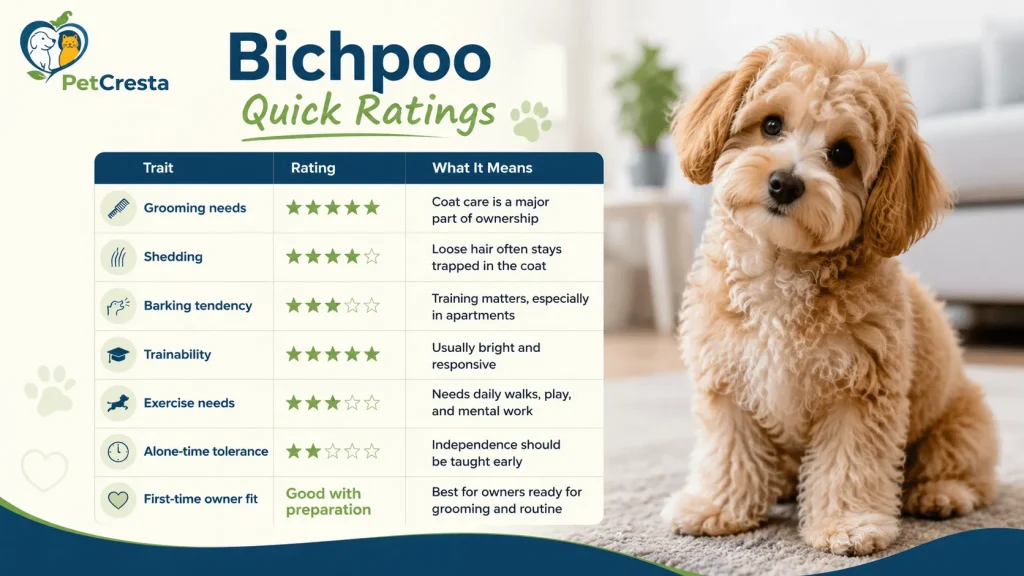
| Trait | Rating | What It Means |
|---|---|---|
| Grooming needs | High | Coat care is a major part of ownership |
| Shedding | Low | Loose hair often stays trapped in the coat |
| Barking tendency | Moderate | Training matters, especially in apartments |
| Trainability | High | Usually bright and responsive |
| Exercise needs | Moderate | Needs daily walks, play, and mental work |
| Alone-time tolerance | Moderate to low | Independence should be taught early |
| First-time owner fit | Good with preparation | Best for owners ready for grooming and routine |
Pros And Cons
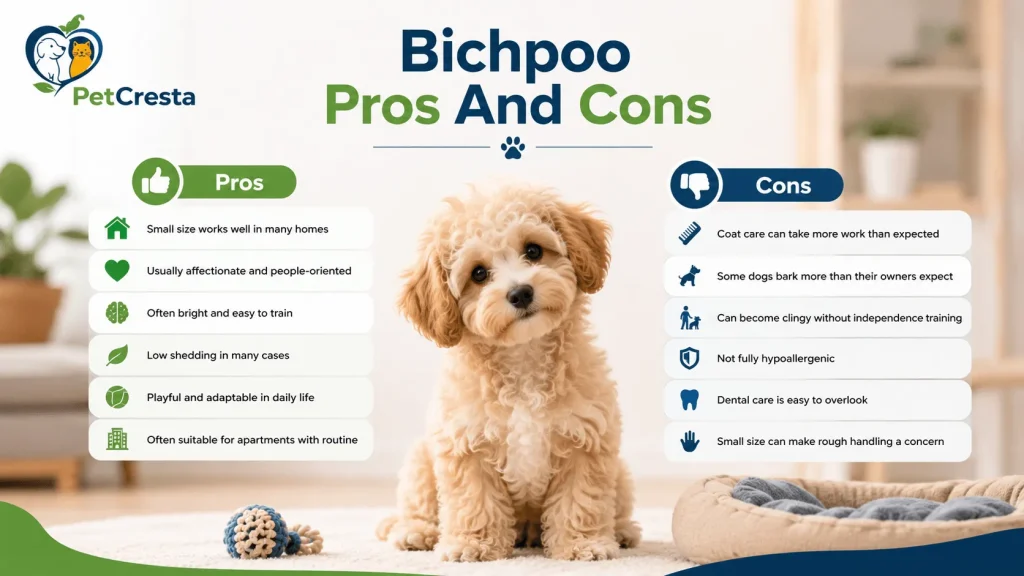
| Pros | Cons |
|---|---|
| Small size works well in many homes | Coat care can take more work than expected |
| Usually affectionate and people-oriented | Some dogs bark more than their owners expect |
| Often bright and easy to train | Can become clingy without independence training |
| Low shedding in many cases | Not fully hypoallergenic |
| Playful and adaptable in daily life | Dental care is easy to overlook |
| Often suitable for apartments with routine | Small size can make rough handling a concern |
The most appealing feature of the Poodle is that it usually blends companionship, trainability and a size that is manageable in the form of a small dog. The most significant drawback is that a lot of people confuse the small and fluffy dog for a simple one. In reality grooming, hygiene, dental care as well as training and care are much more important than appearance.
Bichon Poodle Mix Full Grown Size, Weight, And Growth
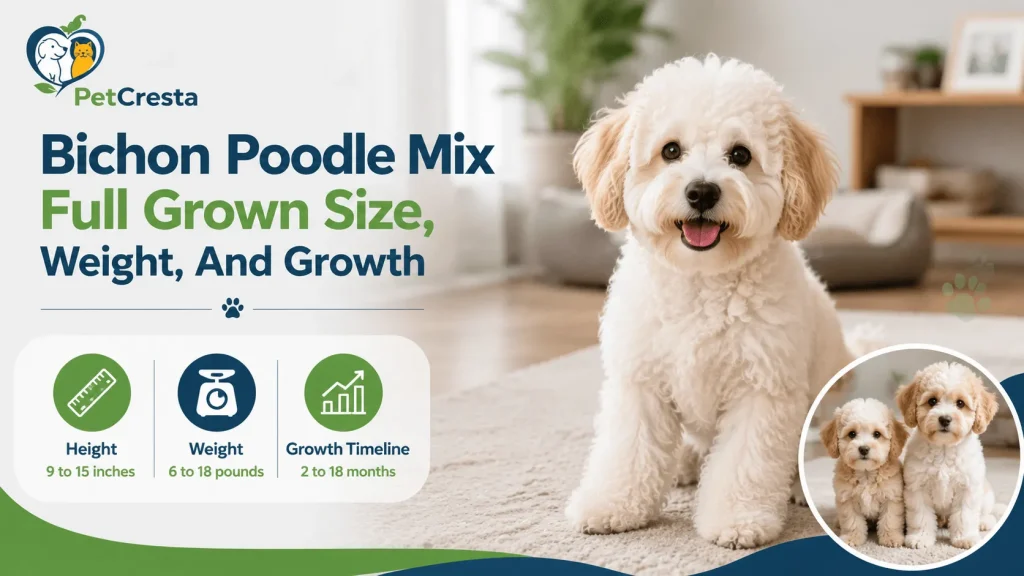
A full grown bichpoo is a smaller dog but the size can vary based on if the Poodle’s parent has a Toy or Miniature. The influence of parents is one of the major causes of the differences in size of this dog and the final weight.
The majority of adult bichonpoos are nine to fifteen inches in height, and weigh between 10 and 18 pounds. A full-grown bichonpoo may be smaller in the event that it follows a Toy Poodle, while a bichonpoo that is full grown with a greater Miniature Poodle influence may be slightly larger and taller. Because it can be a mix breed there will always be a variation and even in the same family.
Bichpoo Size Chart
| Category | Height | Weight |
|---|---|---|
| Smaller range (Toy influence) | 9 to 11 inches | 6 to 10 pounds |
| Average adult bichonpoo | 11 to 14 inches | 10 to 16 pounds |
| Upper range (Mini influence) | 12 to 15 inches | 14 to 18 pounds |
A bichonpoo adult typically attains its maximum height around 12 months; it doesn’t mean that the dog is mature. The body shape, muscle tone and coat growth continue to change even after the growth in height decreases.
Growth Timeline
- Between 2 and 4 months, fast growth of food intake, frequent meals, a lot of sleep and socialization in the early stages
- 4-8 months: A noticeable increase in energy and height, the first coat changes start
- Between 8 and 12 months: A lot of dogs reach adult height yet appear thin or unfinished.
- 12-18 months: The body fills out and coat texture improves and the dog develops a more mature appearance.
It’s normal to see a bichon puppy fully mature to appear “grown” in height before it is truly an adult. Fullness of coat, body condition and general balance tend to appear later, particularly in dogs that have more curly or thicker coats.
Knowing this distinction helps establish realistic expectations. A bichonpoo’s young adult might appear slim or uncomfortable during the first time however that doesn’t necessarily mean that growth is complete.
What Does A Poodle Bichon Look Like?
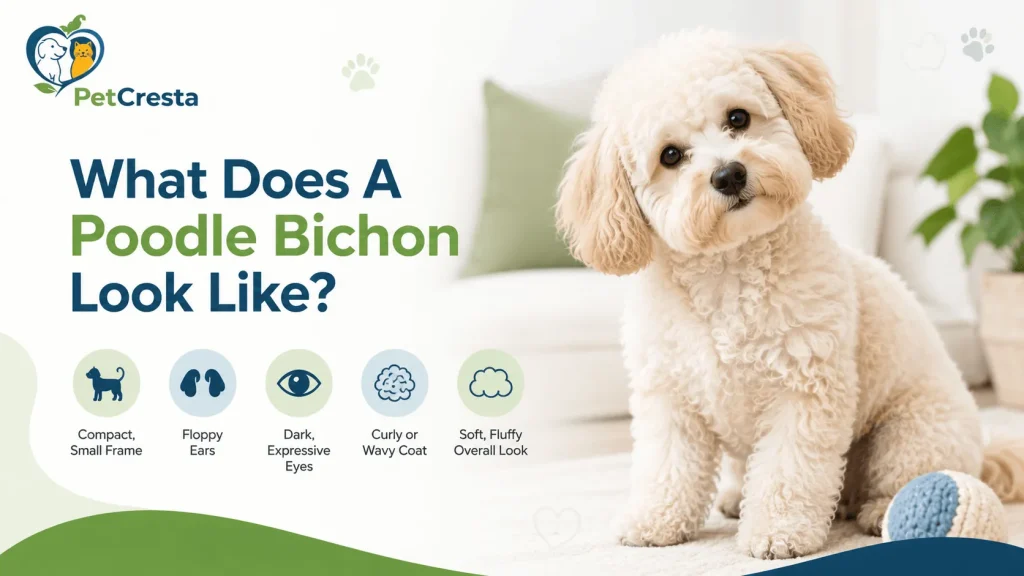
Bichonpoos tend to have an elongated, soft style of companion dog. The face can be expressive, the ears are lowered and the coat could make the appearance of a teddy bear, which draws so many buyers.
The texture of coats varies. Certain bichonpoos have curlier curls. Some have looser curls. Some have softer and more airy coats that mat faster than owners anticipate.
The difference is important because coat type affects the burden of grooming. Two bichonpoos could be beautiful, but they require different levels of grooming and grooming.
Common Appearance Points
- Compact, small frame
- Floppy ears
- dark expressive eyes
- curly or curly coat
- Soft, fluffy overall look
The color also varies. Common shades include white, cream black, apricot and brown-toned coats. mixed patterns in certain breeds.
It is okay to look at color however, it must remain under the realm of temperament, health, and structure in significance. The appearance of a coat will not make a dog more comfortable to manage.
Coat And Color Characteristics By Type
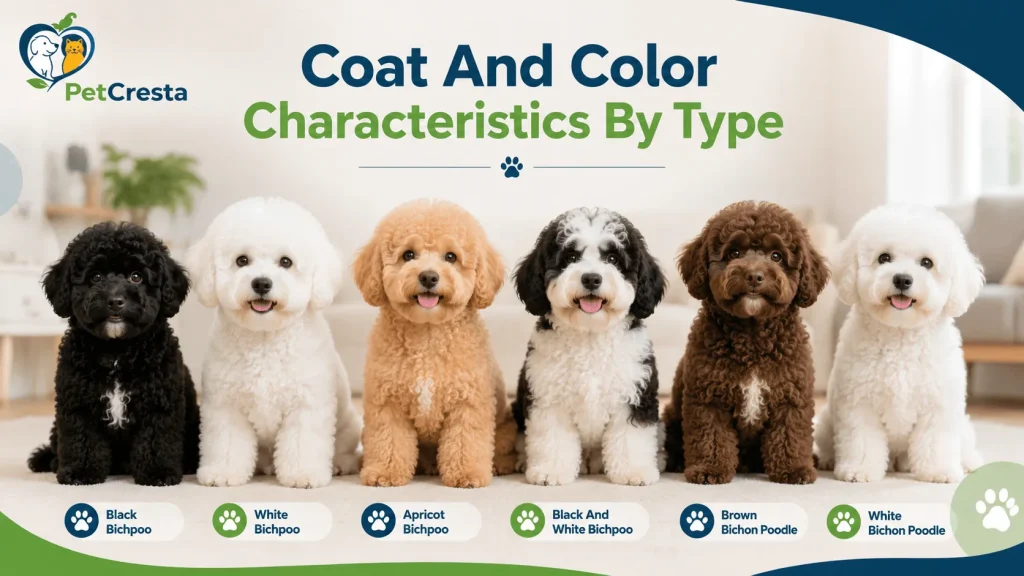
The coat of a bichonpoo can differ in texture and color due to the fact that it is an unmixed breed. Certain breeds inherit a softer, more fluffy look of that Bichon side, whereas others adopt a curlier or dense coat from their Poodle counterparts.
Black Bichpoo
A black bichonpoo usually has a glossy, rich coat that looks particularly attractive after grooming. In certain breeds the shade might fade a bit as the coat ages.
White Bichpoo
White bichonpoos have the classic, bright look that many owners like. Lighter coats may exhibit dirt staining, tears and everyday debris more easily than darker hues.
Apricot Bichpoo
An apricot bichonpoo typically has a warm peach or lighter golden tone that emphasizes the fluffy, soft coat. This color can give the dog a soft, cosy appearance.
Bichpoo Black And White
A bichonpoo’s white and black coat has darker patches paired with white areas on the legs, chest and face as well as the body. The pattern placement may vary, meaning that dogs with different patterns may appear different from each other.
Brown Bichon Poodle
This can vary from a darker chocolate hue to a lighter brown hue. Certain brown coats may become slightly lighter as they age particularly when the Poodle side has faded characteristics.
White Bichon Poodle
White poodle bichon usually has one of the clearest and softest coats in this breed. However, staining and coat care tend to appear more quickly.
Colors of coats do not determine the way you behave, your level of intelligence, or your overall health. In the day-to-day routine coat texture is more important than color, as curl patterns and softness have the biggest impact on matting and brushing.
Bichpoo Temperament And Personality
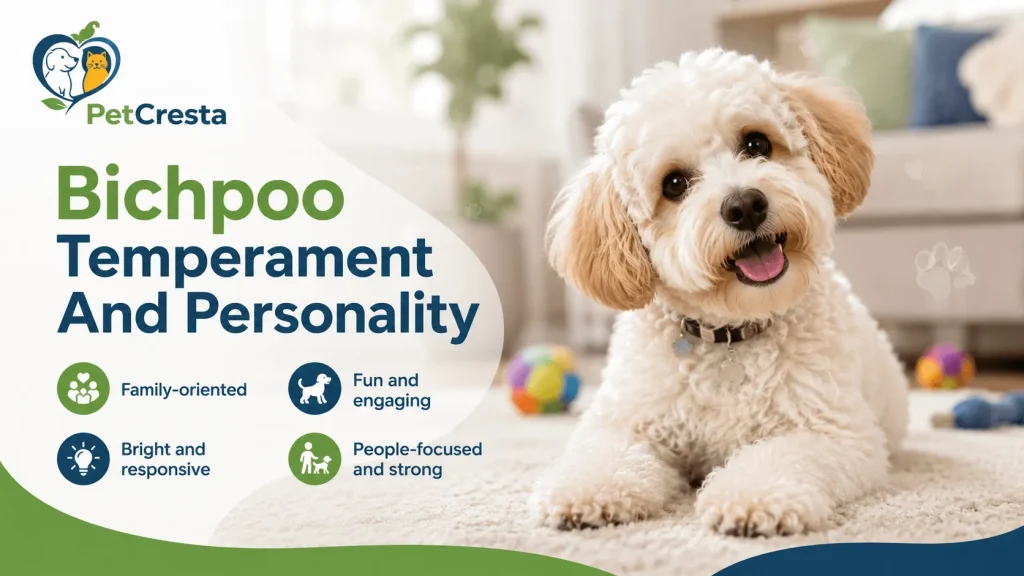
Bichonpoos are typically friendly, vibrant, playful and very social. The bichonpoo breed usually likes to be active in everyday life, and often bonds closely to its family. The term “tempered” is usually used to describe it as friendly, but it doesn’t mean easy.
Character still requires guidance, socialization, and gentle handling to grow. Certain bichonpoos are calm and adaptable, whereas others are noisy and clingy or overwhelmed when the routine is not consistent or the dog relies too much on constant focus. Temperament determines the point of departure however management is the key to shaping the daily outcome.
Temperament Snapshot
- Family-oriented
- Fun and engaging
- Bright and responsive
- Be alert and curious
- People-focused and strong
Household Fit Checklist
- Families: A great fit for families that provide gentle handling and maintain routines in line with
- Retirees: A good match for retirees who are looking for companionship and who are able to be involved in grooming and caring for their pets.
- Singles: Often, it is a good fit with owners who have a single dog and an interactive, affectionate dog who enjoys being with close friends
- Bichonpoos: Bichonpoos are able to coexist with other dogs if introductions are handled appropriately and early socialization is at hand
- Cats: Some cats adapt well to other cats, particularly when they are raised together or gradually introduced in a peaceful home
- Children under supervision. They can be successful. However, it is important to supervise them since small dogs are more likely to overpower or cause injury by rough play
The bichonpoo breed is usually a good fit in homes where the owner wants an animal that is a true companion instead of a pet that is easy to train. Bichonpoos can be friendly and welcoming, the best result is when the natural affection is backed through training, boundaries and a respectful approach to handling.
Do Bichpoos Bark A Lot?
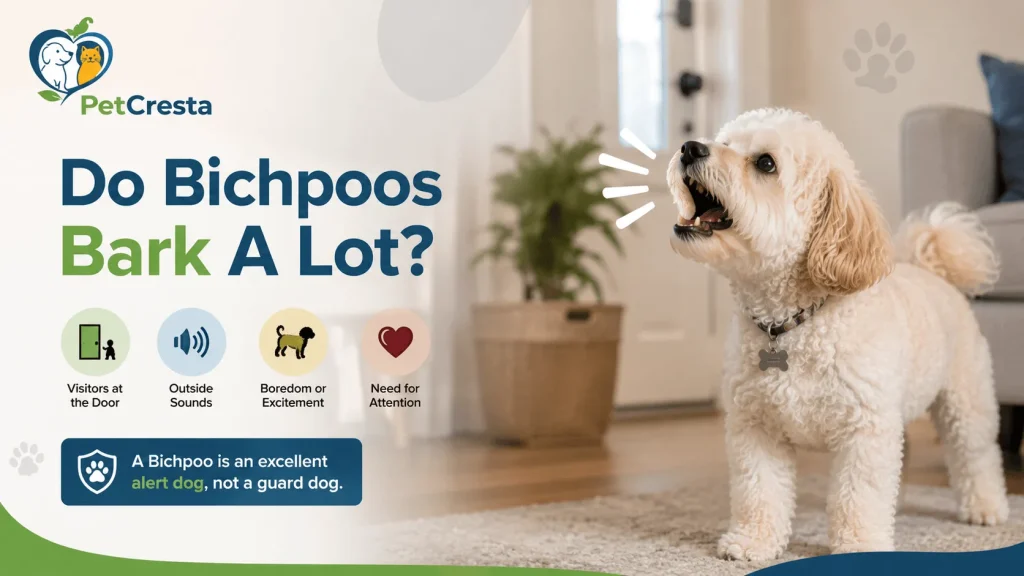
These dogs are vocal, particularly when they’re bored or excited, over-exercised, or are too dependent on continuous attention. Certain breeds are manageable with routine and training and others can be more vocal than their owners would like.
This type of mix typically detects the sounds of visitors, door noises, moving through the hallway outdoors, noises and shifts in routine. The alert nature of the dog is beneficial however, it should not be confused with a protective behavior. They are better understood as a dog that is alert and not an animal guard.
Common Barking Triggers
- Visitors at the entrance
- outside sounds or in the hallway
- boredom
- anger
- Excited
- needing to be noticed
A bichonpoo is an excellent alert dog. It’s not a guardian dog. Living in a small apartment is usually possible. However, the success of your apartment is not dependent on the amount of square footage, but rather on training routine, barking management and a healthy amount of activity.
A dog that is fully engaged in its mind and taught to be calm is typically more tolerant than a dog that is taught that barking can be effective.
Bichonpoo Separation Anxiety And Alone Time
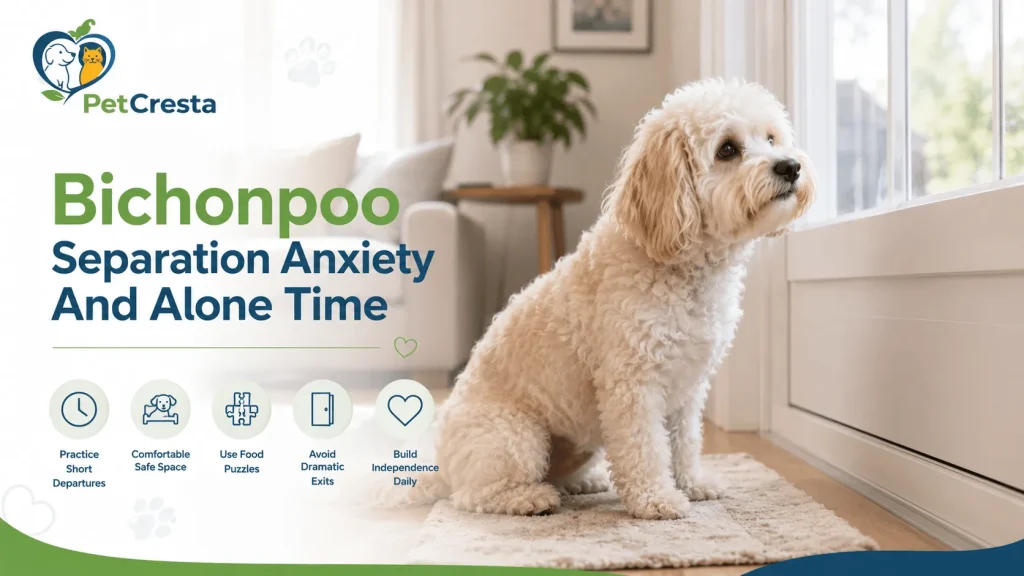
The majority of this mix likes being around people. This is a big part of the attraction however, it can cause problems if independence is not taught.
A bichonpoo who follows you frequently may be awe-inspiring initially. As time passes, that pattern may turn into whining, running, shadowing or barking when you leave, or a struggle to settle. Bichonpoos are not all created equal. Many benefit from early training in solitude.
Signs of a problem
- barking soon after departures
- The pacing or the restlessness
- being a follower of people on a constant basis
- difficulty in settling down
- harmful chewing habits during absences
Prevention basics
- Practice short, calm departures early
- Train the dog to lie on its personal bed
- Use food puzzles and chewables that are safe
- Avoid dramatic exits and arrivals.
- Build small periods of autonomy into the daytime
The objective is not just emotional distance. The objective is to assist the dog in understanding that being on their own for a short time is normal and secure.
Are Bichpoos Easy To Train?

In many homes, they are. They’re generally bright and attentive. They are also motivated by food, praise, and close-knit interactions. This usually makes training more efficient than with smaller dogs. The problem is that intelligence can be a two-way street. Bichonpoos are able to learn quick and efficient habits but it also has the ability to develop jumping, barking, whining or other attention-seeking behavior in a similar manner if those behaviors are taught repeatedly.
Potty training usually requires more patience than we think. Small dogs typically require frequent bathroom breaks, constant supervision, and a regular routine. It is important to reward at the right time. Dogs need treats or praise immediately after the appropriate behavior, not after or the instruction is less apparent. This same consistency can help in the development of skills for alone time, since bichonpoos who aren’t taught to do it alone could become dependent on constant interaction.
The ability to handle is just as important as obedience in this set. It is important to teach grooming tolerance early to help the dog become accustomed to tolerating combing, brushing nails, nail trims as well as ear check-ups and teeth brushing with no stress. A bichonpoo who cooperates with regular grooming is more comfortable to live with in the long run.
Training Priorities
- Potty training that is consistent with a daily routine
- Reinforcing good behavior right away
- Polite greetings and a reduction in jumping
- Basic recall and leash manners
- Brushing tolerances for grooming and handling
- Skills for settling down alone and being calm
Bichonpoos are usually easily trainable, but their natural behavior can’t replace regular training. Brief sessions, simple repetition, and a calm follow-through generally are more important than attempting to speed up the process.
Are Bichpoos Good For First-Time Owners?
This is an ideal pet for a new owner. Small size, the affectionate nature and the ability to train make this breed more manageable than larger breeds or those that are more independent.
The issue is maintenance. The first-time owner has to plan regular grooming, brushing of teeth and barking control potty training, as well as time-outs. This breed is a good pet for anyone who is looking for an active pet and not an easy pet.
Exercise And Daily Routine
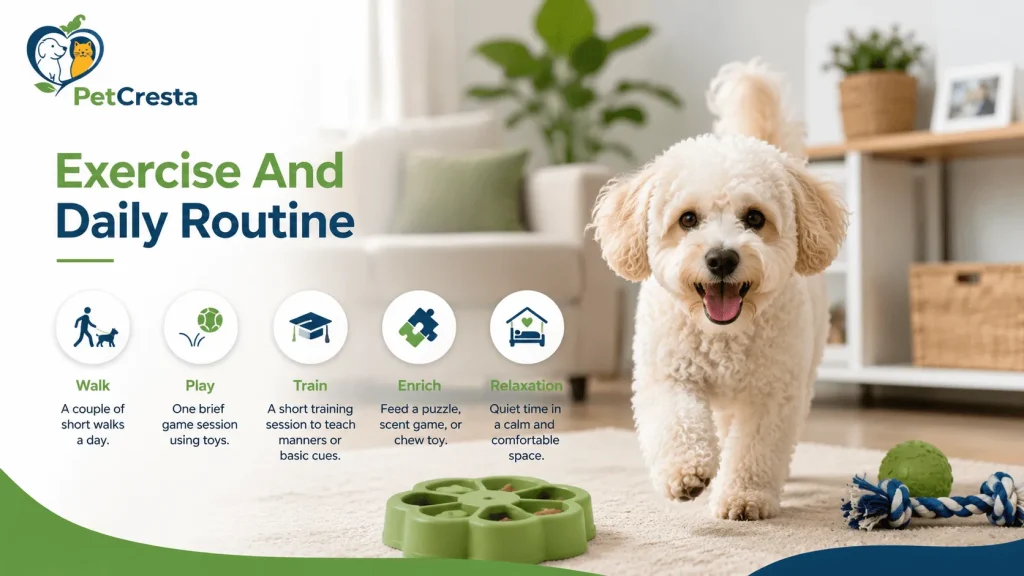
A bichonpoo doesn’t need an intense workout. However, it needs regular daily activities to remain well-balanced indoors. The majority of them can do fine by taking a couple of walks every day, a brief game and a bit of training or enrichment. If those needs aren’t met, the result can show in the form of barking and restlessness or trouble settling in.
Mental stimulation is as much physical movement in this blend. Puzzle toys, games for training scent-based activities, and simple tasks for problem solving will help a bichonpoo remain happier and calmer all day long.
Sample Daily Routine
- Walk: A couple of short walks a day.
- Play: One brief game session using games or toys
- Train: A short training session to teach manners or the basics of signals
- Enrich by feeding a puzzle, smell game, or chewing game
- Relaxation: Take a moment to relax in a quiet resting area
The objective isn’t to make a bichonpoo an athletic dog. The aim is to provide the dog enough structure and outlets to allow it to relax and be well behaved, and have fun at home without becoming too loud or dependent.
Bichpoo Shedding And Hypoallergenic Claims
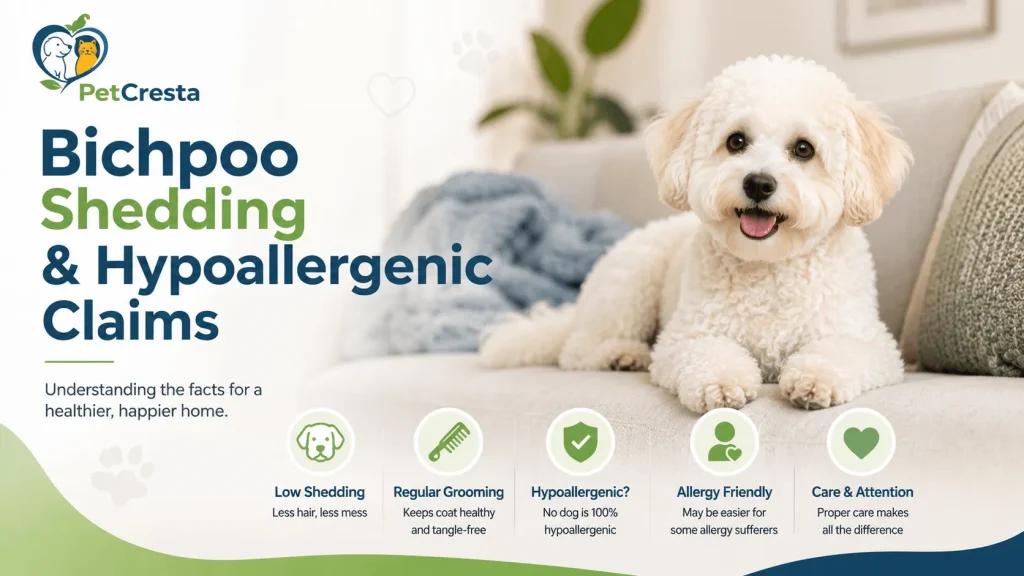
Bichonpoos’ shed is typically very low, which is a major reason why this breed is a favorite among many homeowners. However, having it is not the same as not shedding at all. Hair that is loose often gets stuck within the coat, instead of falling out in a fluid way, so regular brushing is important.
Questions like, do bichonpoo shed, or are they hypoallergenic, require careful consideration. The majority of poodles shed less than other breeds; none of them is 100% hypoallergenic. People react to dander, saliva, and hair. Individual allergy responses may differ from one dog to another.
Myth vs Reality
| Claim | Reality |
|---|---|
| Bichapoos do not shed at all | Most bichonpoos shed lightly, not zero |
| Low shedding means low maintenance | Coat care is still important because loose hair can stay trapped in the coat |
| Bichapoos are fully hypoallergenic | No dog is completely hypoallergenic |
| If a dog has a curly coat, allergies will not be a problem | Coat type may help some people, but reactions still vary by person |
| Grooming is mostly for appearance | Regular brushing and grooming also help reduce mats, trapped hair, and coat buildup |
The most secure method to consider this breed is to consider the following that bichapoos can be a bit easier for allergy-prone homes to handle, but this isn’t an assurance. Care for your dog’s coat is important and the only valid method to determine if a dog is allergic involves spending time in the presence of each dog, rather than relying on marketing claims.
Grooming And Dental Care
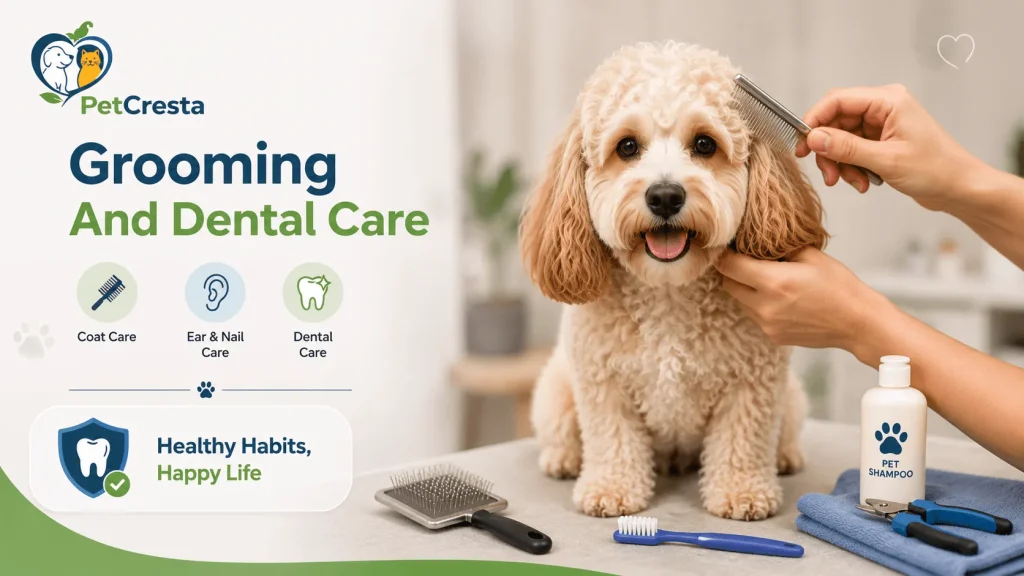
The coat of a bichapoo can appear smooth and soft, but maintenance is among the main challenges when you live with the breed. The fact that bichapoos shed less often is not a sign of low maintenance. Since loose hair can get trapped in the coat, regularly brushing and combing and trimming are required in order to ensure that the coat stays in good condition and manageable.
Coat Care
The majority of bichapoos require brushing several times per week. Others prefer moderate brushing or combing every day, especially if their coats are soft or dense. It may also be likely to get tangled. A slicker brush may help loosen surface tangles and debris and a comb made of metal is a great tool for examining troublesome areas more carefully. A brush that just smooths the surface isn’t enough when knots are developing beneath.
Professional grooming can be required every 4-8 weeks, based on the coat’s type, length, and how often maintenance is carried out at home. This will keep the coat neat, clean and more manageable between appointments.
Mats are not just an aesthetic issue. Tight tangles can tug at the skin as well as trap dirt and moisture and cause the dog to become uncomfortable. In more severe instances matting may hide irritations to the skin or make grooming more difficult.
Ear And Nail Care
Dropped ears and the growth of coats around the ears may be a reason to conduct regular ear check-ups in this context. Ears need to be checked every week for odor, redness, irritation or discharge. The care of your nails is also important because nails that are too long can cause discomfort and hinder foot movement. Bichapoos generally require nail trimming every couple of weeks, although the exact timeframe depends on the intensity of your activity and how fast the nails develop.
Dental Care
Dental health requires just the same focus as coat care in bichapoo. Small breeds are more prone to gum disease and tooth loss and they are easily missed in the beginning. The dog could continue eating and behaving normally even though dental problems are in the process of developing.
The brushing of the teeth should be done every day at least as often as your dog can accept consistently. The toothpaste that is safe for dogs must be utilized. The earlier you begin brushing the easier it is. In addition to brushing, people should be on the lookout for gums that are red, bad breath and tartar buildup. Also and chewing habits, or indications of discomfort in the mouth.
Grooming Schedule At A Glance
| Task | Usual Rhythm |
|---|---|
| Brushing and combing | Several times a week |
| Spot checks for tangles | Weekly or more often in longer coats |
| Ear checks | Weekly |
| Nail trims | Every few weeks |
| Bathing | As needed |
| Professional grooming | Every 4 to 8 weeks |
| Tooth brushing | Ideally daily |
Dental Warning
Dental diseases are not only in the mouth. As time passes, it may cause discomfort, infection, chewing discomfort, and a lower standard of living. For small dogs such as the poodle oral hygiene is among the most effective habits that a dog owner can develop.
This is one of the areas in which routine matters more than intention. A dog that is groomed and handled in a manner that teaches grooming at an early age will be much easier to maintain throughout its lifetime.
Bichpoo Health Issues And Lifespan
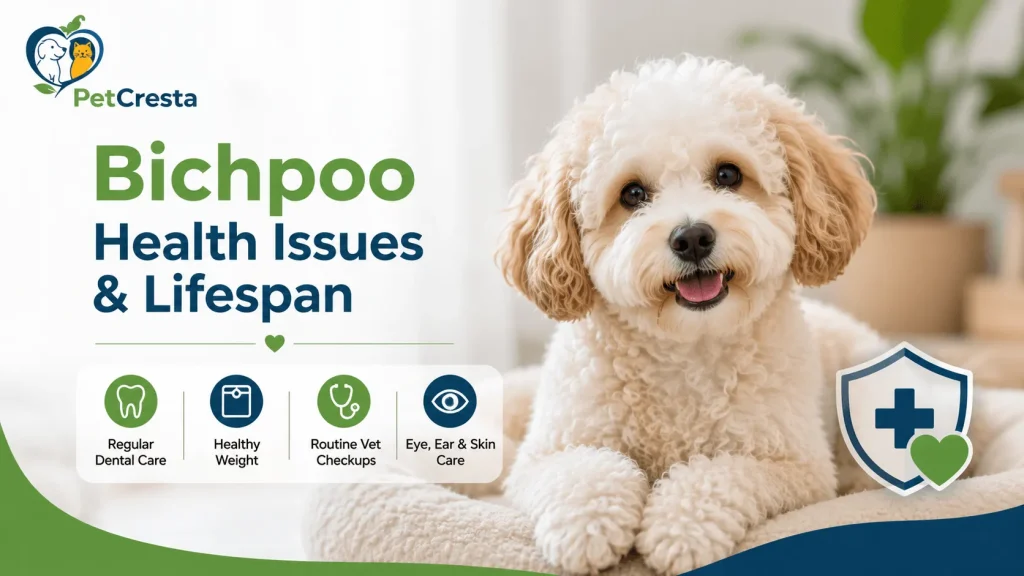
A bichpoo lifespan is between 12 and 15 years. However, certain breeds live longer thanks to excellent health, regular dental care as well as weight management and regular veterinary visits. Mixed-breed status may help increase the genetic diversity, but it doesn’t make the dog immune to inherited risk. A Pochon is able to inherit health issues due to either the Bichon Frise or the Poodle side.
Common Health Issues To Know
| Issue | What owners may notice | Why it matters |
|---|---|---|
| Dental disease | Bad breath, tartar, red gums, and chewing changes | Common in small dogs and easy to miss early |
| Patellar luxation | Skipping, hopping, brief limping | Can affect comfort and movement over time |
| Cataracts or other inherited eye disease | Cloudy eyes, vision changes, hesitation | May affect sight and quality of life |
| Corneal dystrophy or similar eye issues | Hazy eye surface, squinting, tearing | Eye discomfort should not be ignored |
| Ear problems | Odor, redness, scratching, discharge | Can become painful if untreated |
| Allergies or skin irritation | Itching, licking, red skin, repeated flare-ups | Can lead to ongoing discomfort and infection |
| Weight strain | Gradual weight gain, lower stamina | Extra weight puts more pressure on a small frame |
What Responsible Breeder Screening Should Include
- A clear discussion of both parents’ medical and the history of the dogs
- Eye screening and the honest disclosure of any family-related concerns
- The need to be aware of joint issues involving small breeds
- An honest discussion of problems with the ears or skin in the future
- Documentation of routine medical and puppy health check-ups
A bichonpoo could live an extended, good life, but proper prevention is crucial. A timely screening, a healthy body condition, dental treatment and prompt care for the eye, ear, skin, or joint issues can make a huge difference.
Feeding And Weight Management
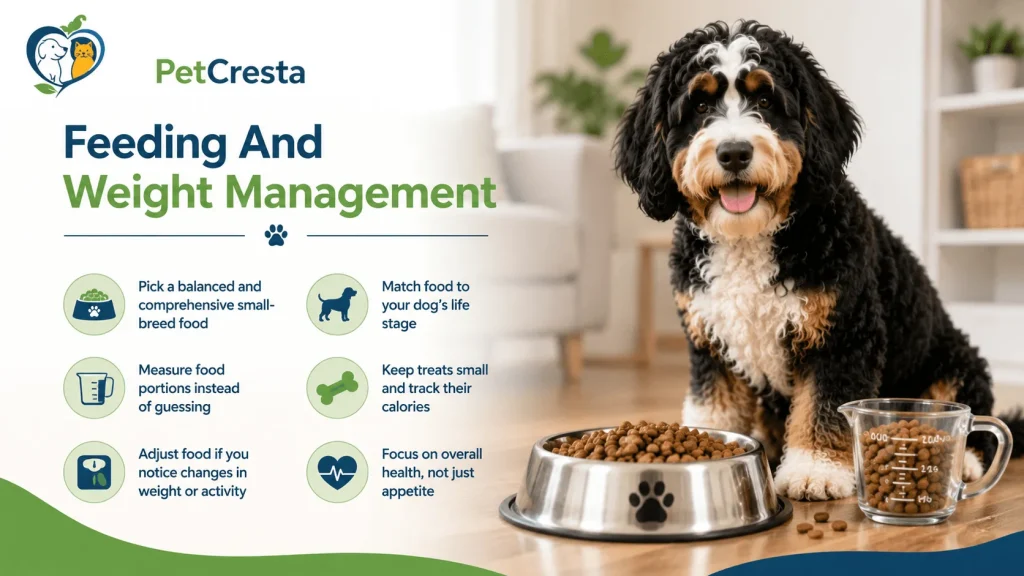
It is best served on the right balance of a small-breed diet that is appropriate to its life stage, physical condition, body type, and level of activity. Puppy, adult and senior dogs don’t require the same food regimen and therefore, the dog’s age and its routine should be the main considerations.
It is easy to overfeed the case of a dog this big since small amounts of food are often a big problem. Measurable meals are generally more reliable than guessing and treats should count as an element of daily food intake instead of being treated as an individual item.
Feeding Basics
- Pick a balanced and comprehensive small-breed and balanced food
- The food should be matched to the adult, puppy or the senior life stage
- Measuring the food portioned out instead of estimating it by eye
- Make sure you keep your treats small and track the calories they contain.
- Make sure you are eating enough food if you notice a change in weight or activity
- Check your body’s health, not just appetite
Bichpoo Price And Cost Of Ownership

Prices can differ a lot depending on the location where the dog is from. The cost of purchasing a dog can vary between rescues, breeders, and even locations and so the most important question isn’t the amount which is upfront and what it’s going to cost to keep the dog for a long time.
The initial year is generally the most expensive since it covers setting up, veterinary visits, medical supplies as well as early treatment. Following that regular grooming and feeding, preventive medicine and routine health care are all ongoing expenses. Dental treatment is one of the most under-estimated long-term costs in a small dog such as this.
Can You Adopt A Bichpoo?
Sure, however, finding one could be a lengthy process that requires patience. They aren’t as popular in shelters as bigger mixed breeds. A lot of available dogs are listed under other names, such as Bichon mix or Poodle mix.
Rescue is a great option for pet owners looking to get more clarity about adult coat size, coat type and temperament. Adult dogs might also have more obvious grooming needs and behaviors and can make it easier to avoid surprises.
Find small-breed rescues, Bichon Frise rescues, Poodle rescues local shelters, and networks for rehoming. Don’t rush through the process if your dog’s medical history, behaviour or grooming needs are not clear.
First-Year Cost Snapshot
| Expense | What it covers |
|---|---|
| Purchase or adoption fee | Starting cost only |
| Veterinary visits and vaccines | Early preventive care |
| Crate, bed, bowls, leash, toys | Basic setup items |
| Food and treats | Daily feeding needs |
| Grooming | One of the main recurring expenses |
| Training | Early manners and routine building |
| Preventive medicine | Ongoing flea, tick, or heartworm protection |
Recurring Cost Snapshot
| Category | What to expect |
|---|---|
| Grooming | Regular trimming and coat maintenance |
| Food | Ongoing daily expense |
| Preventive care | Routine medications and checkups |
| Dental care | Easy to underestimate over time |
| Unexpected costs | Illness, injury, or emergency treatment |
The purchase price is just one element of the cost of ownership. It could be low but grooming, dental treatment and food, as well as preventive medicines and unexpected health costs all play a role in determining if the dog is really affordable.
How To Find A Healthy Bichpoo Puppy Or Adoption Option
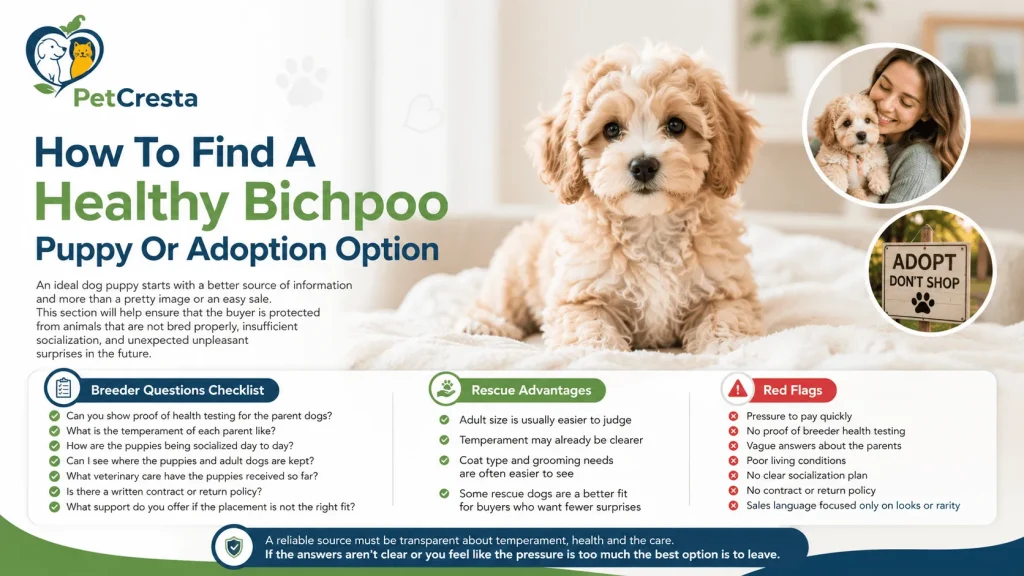
An ideal dog puppy starts with a better source of information and more than a pretty image or an easy sale. This section will help ensure that the buyer is protected from animals that are not bred properly, insufficient socialization, and unexpected unpleasant surprises in the future.
Breeder Questions Checklist
- Can you show proof of health testing for the parent dogs?
- What is the temperament of each parent like?
- How are the puppies being socialized day to day?
- Can I see where the puppies and adult dogs are kept?
- What veterinary care have the puppies received so far?
- Is there a written contract or return policy?
- What support do you offer if the placement is not the right fit?
Rescue Advantages
- Adult size is usually easier to judge
- Temperament may already be clearer
- Coat type and grooming needs are often easier to see
- Some rescue dogs are a better fit for buyers who want fewer surprises
Red Flags
- Pressure to pay quickly
- No proof of breeder health testing
- Vague answers about the parents
- Poor living conditions
- No clear socialization plan
- No contract or return policy
- Sales language focused only on looks or rarity
A reliable source must be transparent about temperament, health and the care. If the answers aren’t clear or you feel like the pressure is too much the best option is to leave.
Bichpoo Vs Maltipoo
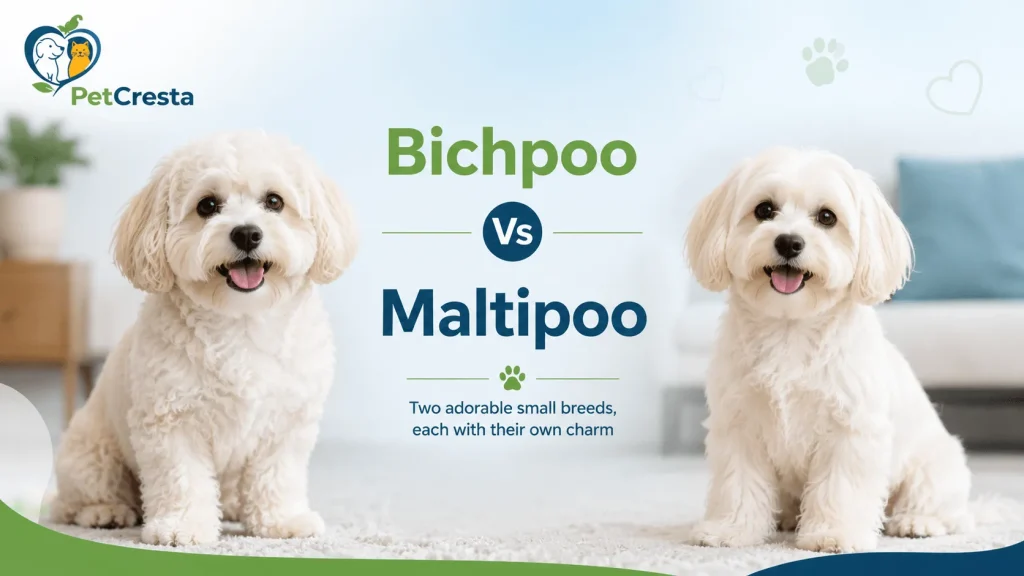
A poodle bichon as well as a maltipoo are both smaller mix breeds; but the poodle is usually stronger and more positive, whereas the maltipoo may feel softer and more fragile. Both require regular grooming, although the poodle may be more appealing to those who require a playful, happy dog, with a slightly more sturdy structure.
Another close comparison point is the miniature cockapoo, especially for buyers who want a small, affectionate dog with a spaniel influence.
Bichpoo Vs Cavapoo
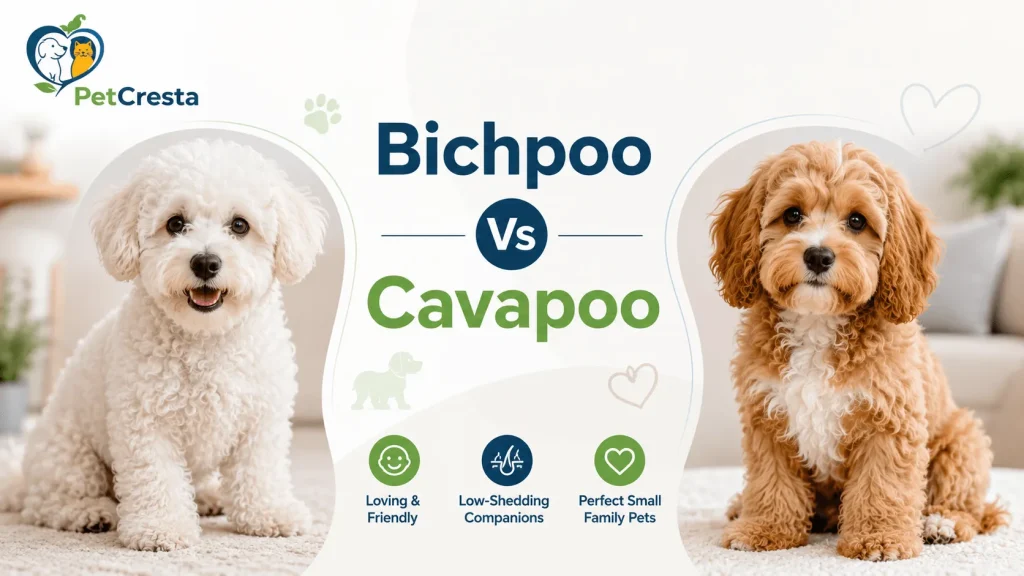
A poodle as well as a cavapoo is a loving, friendly breed, but they typically possess a distinct overall look. Bichon poos are typically people who want a brighter and more alert pet, whereas the cavapoo is often a favorite of those looking for a soft friendly, easy-going spaniel.
Anyone comparing similar small companion mixes may also want to look at the cavapoochon, which blends a similar low-shedding appeal with a different three-breed mix.
Quick Buyer Checklist
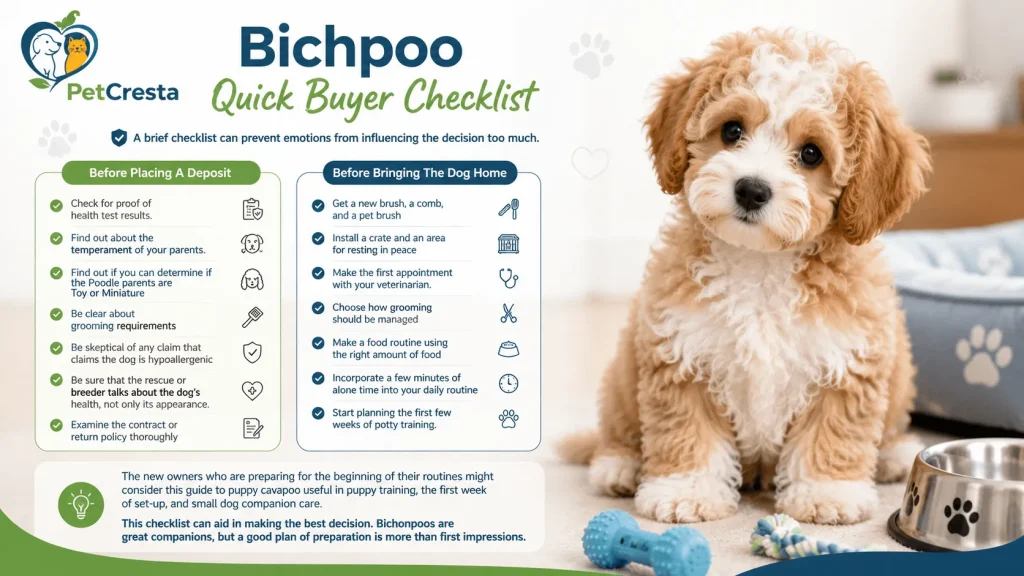
A brief checklist can prevent emotions from influencing the decision too much.
Before Placing A Deposit
- Check for proof of health test results.
- Find out about the temperament of your parents.
- Find out if you can determine if the Poodle parents are Toy or Miniature
- Be clear about grooming requirements
- Be skeptical of any claim that claims the dog is hypoallergenic
- Be sure that the rescue or breeder talks about the dog’s health, not only its appearance.
- Examine the contract or return policy thoroughly
Before Bringing The Dog Home
- Get a new brush, a comb, and a pet brush
- Install a crate and an area for resting in peace
- Make the first appointment with your veterinarian.
- Choose how grooming should be managed
- Make a food routine using the right amount of food
- Incorporate a few minutes of alone time into your daily routine
- Start planning the first few weeks of potty training.
The new owners who are preparing for the beginning of their routines might consider this guide to puppy cavapoo useful in puppy training, the first week of set-up, and small dog companion care.
This checklist can aid in making the best decision. Bichonpoos are great companions, but a good plan of preparation is more than first impressions.
Conclusion
A bichpoo is an ideal pet for those who would like a small, loving, affectionate and playful companion and are prepared for close everyday interaction. The major drawbacks to this breed are regular grooming, consistent dental treatment, and the requirement for structure and training in order to avoid excessive barking or dependency. If the home is right the mix could be a long-lasting, rewarding pet, but it’s the ideal choice for those who are prepared to live a routine, rather than those looking for a minimally effort dog.
A dream you dream alone is only a dream. It’s the possibility of having a dream come true that makes life interesting. You never really understand a person until you consider things from his point of view.
FAQ’s
Most bichonpoos stay in the small dog range and often reach about 9 to 15 inches in height. Adult weight is commonly around 10 to 18 pounds, though some finish a bit smaller or slightly larger. Final size often depends on whether the Poodle parent is Toy or Miniature.
A bichonpoo often lives around 12 to 15 years, and some live even longer with good care. Lifespan is influenced by genetics, body weight, dental care, nutrition, and routine veterinary visits. Preventive care and early treatment of problems can make a real difference over time.
Bichonpoos usually shed lightly rather than heavily, which is one reason many homes find them appealing. Still, low shedding does mean no shedding at all. Loose hair often stays trapped in the coat, so regular brushing is still needed to prevent tangles and mats.
No dog is completely hypoallergenic, and that includes this dog. Some allergy-sensitive homes may do better with a bichonpoo because shedding is often lower, but dander and saliva still matter. The safest approach is to spend time with the individual dog before making a decision.
A bichonpoo can be a good family dog when the home is calm, consistent, and gentle with handling. This mix is often affectionate, playful, and people-oriented, which helps it bond well with family members. Supervision still matters, especially around young children, because small dogs can be injured by rough play.
Yes, many bichonpoos can do well in apartments because their small size fits shared living spaces. The more important factor is not square footage, but exercise, barking control, and helping the dog settle calmly indoors. A dog that is mentally engaged and well-trained is usually easier to live with in close quarters.
The purchase price of this dog can range from several hundred dollars to several thousand dollars, depending on breeder practices, location, and health testing. That starting price is only part of the real cost. Grooming, food, training, preventive care, dental care, and unexpected medical expenses all need to be considered.
References
- American Kennel Club, official Bichon Frise breed information and care guidance
- American Kennel Club, Poodle temperament and family fit guidance
- Dog Academy, poodle bichon breed guide for a quick look at structure, temperament, barking, trainability, grooming, and buyer guidance
- Merck Veterinary Manual, periodontal disease in small animals, and tooth loss risk in dogs
- Cornell University College of Veterinary Medicine, patellar luxation overview and small breed relevance
- VCA Animal Hospitals, ear infections in dogs, and added risk in dogs with heavy ears or thick ear hair
- AAHA 2021 Nutrition and Weight Management Guidelines, nutritional assessment, body condition scoring, and individualized feeding recommendations
- PubMed study on Can f 1 levels and the lack of evidence for classifying certain breeds as hypoallergenic
.