Miniature Aussie Labradoodle Explained: Size, Personality, Care nd Coat Details
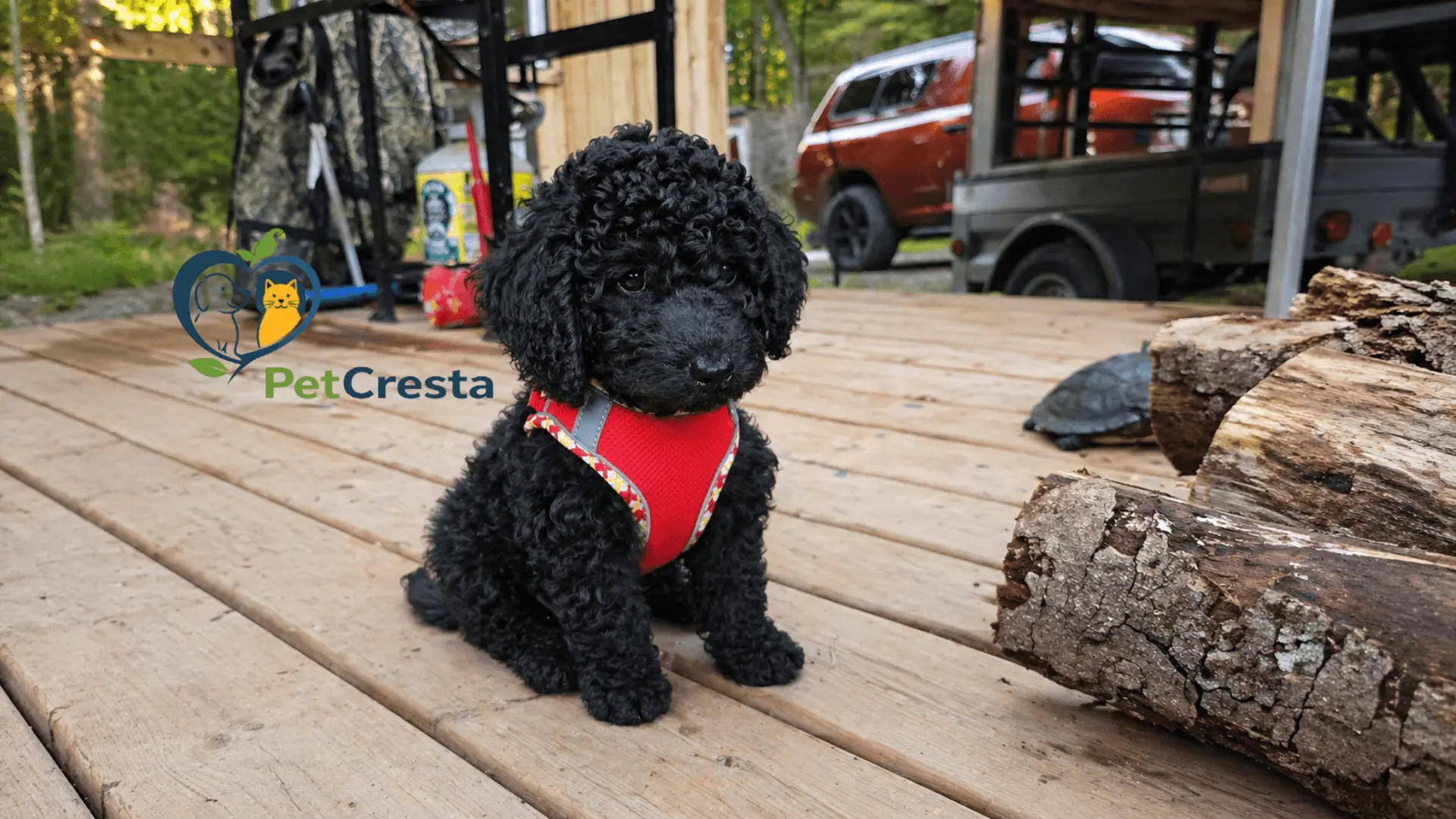
A Mini Aussie Labradoodle usually refers to a small Australian Labradoodle-type dog with a companion-focused temperament and a coat that often sheds less than many other dogs. The problem is that the name is not always used consistently. Some listings mean miniature Aussie Labradoodle. Some use the label more loosely. That can create confusion around adult size, coat outcome, and daily care.
This guide focuses on daily life, not sales language. It covers size, puppy growth, coat, shedding, grooming, temperament, health, training, and overall fit. The goal is to help readers decide whether this dog suits the home, schedule, and grooming tolerance already in place.
TL;DR: Is Aussie Mini Labradoodle A Good Fit?
| Best For | Less ideal for | Main takeaway |
|---|---|---|
| Homes that want an involved companion and can stay consistent with grooming and training | Homes looking for a very low effort dog or long daily alone time | Small size does not mean easy care |
| Families that want a bright, affectionate, active small dog | Homes that dislike brushing, grooming appointments, or routine work | Coat maintenance is often a bigger commitment than expected |
| Apartment homes with structure, exercise, and quiet habit training | Homes expecting a guaranteed no-shed or no-bark result | Line, coat type, and routine shape the outcome |
Most overlooked: The biggest surprise for many new owners is that a softer, lower-shedding coat often needs more brushing, combing, and professional grooming.
Characteristics At A Glance
| Characteristics | What to expect |
|---|---|
| Breed type | Small Australian Labradoodle-type companion dog |
| Official miniature note | Breed association ranges for miniature Australian Labradoodles sit around the mid-teens in height |
| Practical pet market size | Many adults fall around 14 to 17 inches and roughly 15 to 30 pounds |
| Lifespan | Often around 13 to 15 years |
| Energy level | Moderate to fairly active |
| Trainability | Usually strong with consistent positive training |
| Coat types | Fleece, wool, or sometimes hair coat |
| Shedding | Often low, but not zero |
| Grooming load | Moderate to high |
| Apartment fit | Often possible with structure and exercise |
| Alone time tolerance | Usually fair at best, often better with gradual training |
| Good with kids | Often, yes, with supervision and calm handling |
| Good with other pets | Often, yes, when introductions are done well |
| Best fit owner | Someone who wants an interactive dog and accepts regular coat care |
“Small” and “low shedding” are two of the most misunderstood parts of this breed type. Small usually means easier to handle than a larger doodle, not toy-sized. Low shedding often means more coat work, not less.
What Is An Aussie Mini Labradoodle?
An Aussie labradoodle is usually a small Australian Labradoodle-type companion dog that is social, trainable, and people-focused. The name can be used loosely, so parent line and breed background matter more than the label alone. In many dogs, low shedding comes with a tradeoff: more brushing, more clipping, and more coat upkeep.
Why Does the Name Cause Confusion
Aussie Labradoodle usually refers to a small Australian Labradoodle-type dog, not an Australian Shepherd and Poodle mix. That is where many readers get tripped up. In pet-market language, “Aussie” is often used loosely, but in Australian Labradoodle breeding language, the word points to Australian Labradoodle development and line history rather than to Australian Shepherd ancestry.
This dog is best understood as a small, multigenerational companion type that was developed for temperament, trainability, and a lower-shedding coat. In broad breed-history terms, Australian Labradoodle development began with Labrador Retriever and Poodle foundations, with Cocker Spaniel influence added over time to help shape temperament, coat quality, and consistency.
That is why the label often carries a different meaning from a simple first-generation Labradoodle cross. The name still confuses because many listings use similar words for very different dogs. A Mini Labradoodle may refer to a smaller Labrador and Poodle cross with wider variation in coat and size. An Aussie Labradoodle usually suggests a narrower type, but the label alone still does not guarantee the outcome.
Parent size, line consistency, health testing, and coat type matter more than the marketing name by itself. The fastest way to reduce confusion is to ask three questions early.
Is the dog from multigenerational Australian Labradoodle lines?
What size range do the parents and related adults reach?
What coat type is most common in the line?
Those answers tell more than the label alone and help set better expectations for adult size, shedding, and daily care.
Aussie Labradoodle Comparisons That Matter In Daily Life
The name Aussie Labradoodle is often confused with several other doodle types. A side-by-side comparison makes it easier to separate differences in energy, build, coat, and day-to-day fit.
Mini Aussie Labradoodle Vs Aussiedoodle, Cockapoo, And Mini Labradoodle
These names overlap in search results, but they do not describe the same dog. An Aussie Labradoodle usually points to a small Australian Labradoodle-type dog from lines selected for companion temperament and coat consistency. An Aussiedoodle is an Australian Shepherd and Poodle mix, which often brings a different working style, a stronger herding influence, and a different behavior pattern.
If you are still sorting out whether you want an Australian Shepherd mix or an Australian Labradoodle type, aussiedoodle puppies are the clearest next comparison. A Cockapoo is a Cocker Spaniel and Poodle mix that may feel softer and less busy in daily life. A Mini Labradoodle can be similar to an Aussie Labradoodle, but the label is usually broader and may tell less about long-term consistency.
For readers trying to choose between them, the most useful lens is the daily rhythm. An Aussie Labradoodle often suits homes that want a small social dog with regular training, grooming, and household involvement. An Aussiedoodle may feel more intense or more drive-heavy. A Cockapoo may suit a calmer routine. A Mini Labradoodle may land somewhere in between, but predictability depends heavily on the line.
Mini Aussie Labradoodle Vs Mini Labradoodle
An Aussie Labradoodle is often described with a more specific type in mind, while a Mini Labradoodle is a broader label. That broader label can cover dogs with more variation in size, coat, and temperament, depending on the line.
An Aussie Labradoodle may be more consistently associated with a smaller, active, people-focused companion. A Mini Labradoodle can still be similar, but the term alone usually says less about predictability.
Mini Aussie Labradoodle Vs Cavapoo
This comparison usually comes down to activity level and working drive. An Aussie Labradoodle often appears more energetic and mentally busy, while a Cavapoo is commonly seen as softer and easier going.
Both can be affectionate family dogs, but their daily rhythm may feel different. A Cavapoo often suits calmer households, while an Aussie Labradoodle may need more structure, movement, and training. For readers comparing a busier small doodle with a softer companion-type dog, a cavapoo puppy is a useful follow-up.
Mini Aussie Labradoodle vs Goldendoodle
An Aussie Labradoodle and a Goldendoodle can both be friendly, trainable, and social. The difference is often in intensity, with the Aussie Labradoodle tending to be more alert and more engagement-driven.
Goldendoodles are often viewed as more easygoing in daily life. An Aussie Labradoodle may need more mental work and a clearer routine to stay settled and balanced.
Mini Australian Labradoodle vs Bernedoodle
A Mini Australian Labradoodle is often discussed as a more developed type with better line consistency. A Bernedoodle usually has a different build, coat feel, and behavior pattern shaped by Bernese Mountain Dog influence. If Bernese influence is still on your shortlist, an Australian Bernedoodle is a strong next read for comparing coat, structure, and household fit.
In many homes, the Mini Australian Labradoodle feels lighter, quicker, and more predictable in type. A Bernedoodle may feel sturdier, calmer, or at times more stubborn, depending on the dog.
Comparison Chart
| Comparison | An Aussie Labradoodle | Other Breed Type | Main Difference |
|---|---|---|---|
| Aussie Labradoodle vs Mini Labradoodle | Often used more narrowly for a smaller, active, people-focused dog | Broader label with more variation in line history and outcome | Mini Labradoodle is often less specific and less predictable by name alone |
| Aussie Labradoodle vs. Cavapoo | More active, busier, and more training-focused | Usually softer, calmer, and more companion-like styled | Cavapoo often suits lower activity homes |
| Aussie Labradoodle vs Goldendoodle | More alert and mentally busy | Often more easygoing and socially relaxed | An Aussie Labradoodle may need more structure and engagement |
| Mini Australian Labradoodle vs Bernedoodle | Usually lighter-framed and more consistent in type | Often heavier built, calmer, and sometimes more stubborn | Bernedoodle has a different coat, build, and daily temperament feel |
Mini Aussie Labradoodle Size, Weight, Size Chart, And Growth Chart
The dog is usually easier to manage than a larger doodle, but the adult outcome still varies enough to surprise buyers.
Aussie Labradoodle Size Range Vs Real-World Variation
Miniature Australian Labradoodles are fairly similar in a small range. Real-world variation still happens.
| Reference point | What it usually means |
|---|---|
| Breed association miniature range | Often around 12 to under 17 inches or around 14 to 16 inches, depending on the source |
| Practical pet market range | Many adults fall around 14 to 17 inches |
| Typical weight | Often around 15 to 25 pounds, with some lines running a bit higher |
A scanning reader usually wants the practical answer first: most Aussie Labradoodles are small dogs, but not tiny dogs.
Mini Vs Medium Vs Standard Australian Labradoodle
Mini is the smallest of the three Australian Labradoodle size ranges, but small does not mean toy-sized. In breed-association language, miniature dogs are generally around 14 to 16 inches at the wither, while medium dogs fall around 17 to 20 inches, and standard dogs around 21 to 24 inches. In practice, that means an Aussie Labradoodle is easier to handle in tighter spaces and often suits readers who want a compact companion without stepping into very delicate small-dog territory.
The more useful difference is lifestyle feel. Minis are often easier to transport, easier to house in apartments, and easier for some families to manage physically. Mediums usually give a little more athletic room without feeling large. Standards suit homes that want more dog overall, more stride, and more physical presence. Readers who like the Australian Labradoodle temperament but feel unsure about size often do better when they compare all three ranges before committing to the smallest option by default
Average Adult Mini Aussie Labradoodle Weight And Size
Many adults mature into a compact dog around 14 to 17 inches tall and 15 to 30 pounds. The lower end is common in well-defined miniature lines. The upper end can show up when a line runs a bit larger, body condition is heavy, or parent size is less consistent.
Mini Aussie Labradoodle Size Chart By Age
The table below is a practical estimate, not a guarantee. Growth speed changes by sex, parent size, body condition, and line.
| Age | Height trend | Weight trend | What owners usually notice |
|---|---|---|---|
| 8 to 12 weeks | 7 to 10 inches | 5 to 10 pounds | Round puppy build, fast growth, soft puppy coat |
| 4 months | 9 to 12 inches | 8 to 14 pounds | Longer legs, more bounce, rising curiosity |
| 6 months | 11 to 14 inches | 12 to 20 pounds | Noticeable stretch, more energy, coat change may begin |
| 9 months | 13 to 16 inches | 14 to 24 pounds | Near adult height in many dogs, still immature in body |
| 12 months | 14 to 17 inches | 15 to 28 pounds | The adult frame is often closed, but behavior may still feel adolescent |
| 12 to 18 months | Adult height settled | 15 to 30 pounds | Chest fills out, body matures, adult look becomes clearer |
Mini Aussie Labradoodle growth chart
Growth usually moves in stages rather than one smooth line. The first months bring fast height gain. The middle months often bring a lanky phase. The final stage is more about body fill, coat change, and maturity than height.
When is a Mini Aussie Labradoodle fully grown?
Many reach close to adult height by around 9 to 12 months. Full maturity often takes longer. Body finish, muscle tone, chest depth, and emotional steadiness may not settle until around 12 to 18 months.
What affects the final size and weight
Parent size matters most. Sex can matter. Line consistency matters. Body condition matters too. A fluffy coat can make a dog look larger than the frame really is, and extra weight can hide the difference between a healthy small dog and an overconditioned one.
Mini Aussie Labradoodle Puppies: What To Expect In The First Year
The puppy phase is where daily reality becomes clear. A Mini Aussie Labradoodle puppy is often appealing because of size and coat, but the first year is shaped far more by routine, handling, and training than by looks.
Early Size And Growth Expectations
Most puppies grow quickly in the first several months. Early fluff can make them look broader or heavier than their future adult frame. Height often comes before body balance.
Puppy Coat To Adult Coat Transition
The change from puppy coat to adult coat can bring tangling, loose fluff, and more visible coat work. This is one of the common points where owners notice brushing has become more important than it looked at eight weeks.
Teething, Mouthing, And Chewing Phase
The first year usually includes a real mouthing phase. Chewing rises during teething, then again when routine, sleep, and exercise are not balanced. Safe chew options and predictable rest times help.
House Training And Routine
Many Mini Australian Labradoodle puppies learn quickly when the routine is steady. Meals, potty trips, naps, crate time, and calm handling should happen on a clear schedule. Puppy confusion rises when the household changes the plan every day.
Grooming Desensitization
A puppy that learns brushing, paw handling, ear checks, face wiping, and nail care early usually has an easier time later. This is not cosmetic work. It is handling training.
Early Socialization
Good socialization means calm, positive exposure to people, places, sounds, surfaces, travel, and routine care. The goal is confidence, not overload.
How To Choose A Puppy, What To Ask, And What It May Cost
Before bringing a puppy home, the goal is not just finding an appealing face. The goal is to find a dog from a line that fits the home in size, temperament, and coat care. Ask what size range the parents and related adults usually reach, what coat types show up most often, what early grooming and handling work has already started, and what routine the puppy is following now. Those questions tell more about day-to-day life than general sales language.
Health transparency matters just as much. A responsible program should be able to explain what health testing has been completed on the parents and should be comfortable showing documentation. It should also speak clearly about temperament, socialization, and any limits in predictability, rather than promising a perfect no-shed or no-work dog. If the answers stay vague, the risk of a mismatch goes up.
Cost should be discussed honestly. Purchase price varies by breeder, program, and region, but well-bred puppies from health-tested programs are often positioned in the premium range. Buyers also need to think beyond the purchase itself. Grooming, preventive care, food, training, supplies, and first-year veterinary expenses all belong in the decision. Small size can reduce some handling demands, but it does not make the first year inexpensive or low-effort.
Mini Aussie Labradoodle Temperament, Behavior, And Personality
Temperament is one of the strongest reasons this breed type attracts attention. The more useful question is not whether the dog is “nice.” It is how those traits show up at home every day.
Core Temperament
Many Aussie Labradoodles are affectionate, people-focused, bright, and eager to participate in household life. They often like closeness and often read the room well. That can make them pleasant companions, but it can also mean they do not always love long stretches of isolation.
Mini Australian Labradoodle Behavior In Daily Life
In daily life, many feel lively, observant, and engaged. They often follow family movement, respond well to routines, and enjoy brief training games. This is usually not a dog that disappears into the background for the whole day.
Temperament Explained: What Owners Usually Love And What They Underestimate
| Trait | What it looks like in daily life |
|---|---|
| Affectionate | Wants to stay near people and join household activity |
| Eager to learn | Picks up routines and cues quickly when training is clear |
| Sensitive to routine | Can become unsettled when the schedule is chaotic |
| Bright in a small body | Needs more mental engagement than some people expect |
| Companion oriented | Often handles family life well, but may dislike long isolation |
Are Mini Aussie Labradoodles Good Family Dogs?
Many are good family dogs when the home is structured, and children are taught calm, respectful handling. Their social and playful side can fit well in active households. Supervision still matters, especially with younger children.
Are Mini Aussie Labradoodles aggressive?
Aggression is not the defining trait associated with this breed type. When snapping, guarding, or sudden reactivity show up, the more useful questions are fear, pain, poor socialization, overstimulation, frustration, or unstable breeding background.
With Other Dogs And Cats
Many can live well with other dogs and even cats when introductions are thoughtful, and energy matching is fair. A small doodle with a busy social style can overwhelm a quiet senior pet if the household does not guide interaction.
Barking, Noise, Alone Time, and Apartment Life
This section matters because daily fit is often more important than breed appeal. A small dog can still be noisy, restless, or difficult to settle when needs are not being met.
Do They Bark A Lot?
Many are not extreme barkers by default, but alert barking, boredom barking, and demand barking can appear quickly in an underworked dog.
What causes problems: poor routine, not enough activity, not enough training, too much stimulation at windows or doors.
What helps: settle training, predictable exercise, mat work, and reward-based quiet habits.
Can They Be Left Alone?
Many Aussie Labradoodles do best when alone time is introduced slowly. A very people-focused dog may struggle if it goes from constant company to long absences with no training plan.
What causes problems: sudden long absences, no crate or settle training, and not enough mental work before departure.
What helps: gradual alone time practice, enrichment, a calm pre-departure routine, and realistic scheduling.
Apartment And A Close Neighbor Living
Apartment life can work well when the dog has enough exercise, quiet habit training, and mental engagement. Size helps, but behavior matters more than size.
What causes problems: excess barking, hallway reactivity, pent-up energy, and inconsistent routine.
What helps: regular walks, sniff time, training, and a daily rhythm that includes real downtime.
Energy Level And Exercise Needs
An Aussie Labradoodle is often easier to manage physically than a larger doodle, but not usually a low-energy dog. The daily plan should include both movement and mental work.
Mini Aussie Labradoodle Exercise Needs
Many do well with about 30 to 60 minutes of total daily physical activity, adjusted for age, weather, and individual drive. Puppies usually need shorter sessions spread throughout the day. Adolescents often need the most structure. Adults usually do best with a balance of walks, play, and settle time.
Mental stimulation needs
These dogs often enjoy puzzle feeders, short obedience sessions, recall work, scent games, tug, fetch, and simple search games around the house. For many bright small dogs, ten minutes of focused training can settle the mind better than another hurried lap around the block.
What happens when needs are missed
Common signs include barking, pacing, jumping, chewing, poor settling, and clingy behavior. That usually means the daily plan is incomplete, not that the dog is inherently difficult.
Coat Types, Shedding, And Hypoallergenic Reality
The coat is one of the biggest reasons readers look up this breed. It is also one of the biggest sources of misunderstanding.
Mini Aussie Labradoodle Coat Types
Australian Labradoodle sources commonly describe fleece, wool, and sometimes a hair coat. Texture shapes shedding, mat risk, and grooming load more than color does.
Coat Type Matrix: Fleece Vs Wool Vs Hair
| Coat type | Texture | Shedding tendency | Mat risk | Grooming load | Best fit for |
|---|---|---|---|---|---|
| Fleece | Soft, silky, wavy to loose curl | Low | Moderate | Moderate to high | Owners wanting a softer look with regular brushing |
| Wool | Dense, curlier, more lamb-like feel | Very low | High | High | Owners are comfortable with frequent brushing and clipping |
| Hair | Looser, more traditional hair coat | Higher | Lower to moderate | Lower brushing, more visible shed | Owners who mind mats more than a shed |
Do Mini Australian Labradoodles shed?
Many do shed lightly, especially when the coat is made of fleece or wool. Some shed more than expected. No low shed label should be treated as an absolute promise.
Is A Mini Aussie Labradoodle hypoallergenic?
No dog is fully hypoallergenic. A lower shedding coat may be easier for some allergy-sensitive households, but dander and saliva proteins still matter. Time with the specific dog is more useful than assumptions based on a label.
Why Is My Mini Aussie Labradoodle shedding?
Shedding may rise during the coat transition from puppy to adult. It can also increase with a looser hair coat, poor coat care, skin trouble, poor nutrition, or seasonal change. If shedding comes with itch, odor, flakes, redness, or hair thinning, veterinary evaluation makes sense.
Common Colors And Patterns
Aussie Labradoodles can appear in a wide range of colors and patterns, which is one reason they attract so much attention. Common colors may include cream, apricot, caramel, red, chocolate, black, blue, silver, parchment, and lavender in some lines. Patterning may include solid coats, parti, phantom, sable, or mismarks, depending on the breeding line.
Color can shape visual appeal, but it should not be treated as a shortcut for predicting coat care, shedding, size, or temperament. A striking coat may look impressive in puppy photos, yet daily life is shaped far more by coat texture, line consistency, grooming needs, and behavior.
For most readers, the safer approach is to treat color as a preference, not a priority. A healthy dog with a manageable coat type and a stable temperament is usually a better long-term fit than a puppy chosen mainly for a rare or eye-catching pattern.
Color Choice Vs Practical Fit
- Factor: What matters more than color
- Shedding Coat type and line consistency
- Grooming Texture, curl level, and coat density
- Family fit, temperament, and energy level
- Predictability, Parent history, and breeder transparency
- Long-term care: Routine brushing, clipping, and skin care
A reader choosing between colors should still ask the same practical questions first. What coat types are common in the line? How much grooming does the breeder expect? Do related adult dogs keep the same coat feel over time? Those answers matter more than whether the puppy is red, parti, or chocolate.
Mini Aussie Labradoodle Grooming And Home Care Routine
This is the section many buyers underestimate. Grooming does not have to be difficult, but it has to be regular.
Brushing Schedule
Many coats need brushing several times each week. Longer coats often need more. A comb should pass through the coat, not just glide over the surface. Surface brushing alone often misses the beginnings of matting.
Bathing And Drying
Bathing should keep the skin and coat clean without becoming excessive. Dense coats need full drying. A damp coat tangles more easily and can trap odor or moisture against the skin.
Professional Grooming Schedule
Many owners use professional grooming every 6 to 8 weeks. Longer styles need more upkeep between appointments. Shorter practical trims usually make home care easier.
Most Common Mat Zones
The first trouble spots are often:
- Behind the ears
- Under the collar or harness
- Armpits
- Legs
- Tail base
- Groin
- Between the paw pads
Basic Home Grooming Toolkit
A simple home setup usually includes:
- Slicker brush
- Metal comb
- Nail trimmer or grinder
- Dog safe shampoo
- An ear cleaner is recommended by a veterinarian
- Toothbrush and canine dental product
How To Groom A Mini Aussie Labradoodle At Home?
Owner-level grooming should focus on brushing, combing to the skin in mat-prone zones, checking the ears, trimming nails, brushing teeth, and keeping the coat at a realistic length.
Weekly checklist
- Brush and comb the coat
- Check behind the ears and under the collar
- Wipe the face if needed
- Look at the paws and paw pads
- Check the ears for odor or debris
Monthly checklist
- Trim nails
- Review body condition
- Check teeth and gums
- Inspect the skin under the coat
- Reassess whether coat length is still manageable
Signs the coat is becoming unmanageable include hidden mats, skin that cannot be seen with a comb, odor after bathing, and resistance to brushing because pulling has already started.
Diet, Feeding, And Weight Management
Feeding should stay simple, balanced, and based on life stage and body condition. Trend-driven feeding is less useful than steady, appropriate nutrition.
Mini Australian Labradoodle Diet Basics
Puppies need a complete growth diet and regular meal timing. Adults need a diet matched to their activity level and body condition. Seniors often benefit from closer monitoring of weight, muscle, dental health, and digestion.
Weight Management
A fluffy coat can hide weight gain. The ribs should be easy to feel without pressing hard. A visible waist from above and a natural abdominal tuck help confirm a healthy condition.
Treats And Extras
Treats, chews, and small training rewards all count toward daily intake. A small dog can tip into excess weight quietly when the extras are frequent and unmeasured.
Mini Aussie Labradoodle Lifespan, Health Risks, And Common Problems
This breed type often enjoys a good lifespan, but no dog is problem-free. The most useful approach is balanced awareness plus routine preventive care.
How long do Mini Aussie Labradoodles live?
Many Aussie Labradoodles live around 13 to 15 years. Genetics, body condition, dental care, preventive care, and exercise all shape that outcome.
Mini Aussie Labradoodle Common Problems
Issues seen in this type can include ear infections, allergies, skin irritation, eye concerns, weight gain, and orthopedic concerns in some lines. The point is not to assume disease. The point is to know what to watch and what to ask about.
Ear And Skin Care Watchouts
Floppy ears and a dense coat can trap moisture and debris. Skin trouble may show up as itch, odor, redness, licking, flakes, or hot spots. The coat can hide early changes unless the hands are actually parting the hair and checking the skin.
Preventive Care Habits That Change Long-Term Outcomes
A few habits make a real difference over time:
- Dental care at home and regular oral exams
- Weight control and body condition checks
- Ear checks after baths or swimming
- Skin checks under the coat
- Parasite prevention
- Routine veterinary visits
Health Testing And Responsible Sourcing
The label alone says very little about health quality. Useful questions involve health testing on the parents, family history, orthopedic screening, and whether records can be shown clearly.
When To See A Veterinarian
A veterinary visit is warranted for persistent itch, repeated ear odor, sudden coat change, limping, repeated vomiting or diarrhea, low energy, or a notable behavior shift.
Mini Aussie Labradoodle Training And Socialization
This breed type often rewards good training quickly. That makes early handling and structure worth the effort.
How To Train A Mini Australian Labradoodle?
Positive reinforcement, short sessions, clear cues, and repetition work well for many dogs of this type. Harsh handling usually creates stress, not reliable learning.
Early Puppy Training Priorities
The first skills should be practical:
- House training
- Crate comfort
- Recall
- Leash basics
- Settling
- Grooming tolerance
- Calm handling for veterinary care
Socialization That Matters
Useful socialization is calm exposure to people, surfaces, noises, travel, daily handling, and controlled contact with other dogs. It should build confidence without forcing the puppy through too much at once.
Common Training Mistakes
Frequent mistakes include too much freedom too early, changing cues from day to day, skipping settle training, under-exercising the dog, or accidentally rewarding barking and jumping with attention.
Pros And Cons Of A Mini Aussie Labradoodle
A balanced list helps more than glowing praise.
| Pros | Cons |
|---|---|
| Often affectionate and companion-oriented | Grooming load can be high |
| Usually very trainable | Coat outcome can vary by line |
| A smaller body is easier to manage than a large doodle | Many dislike long stretches alone |
| Often has lower shedding than many breeds | Barking and restlessness rise when routine slips |
| Can fit family life well with structure | Small size can hide a higher-than-expected daily workload |
The best dog is not the most popular dog. It is the dog that matches the home.
Is This A Good Pet For You? Daily Fit, First-Year Commitment, And Cost
This is where the decision becomes practical. An Aussie Labradoodle can be an excellent pet for the right home, but the best fit is usually a household that wants an involved companion, accepts regular coat care, and can stay steady with training, routine, and social contact. This dog often works well for families, many apartment homes, and first-time owners who are willing to learn. It is less suitable for homes expecting a highly independent, low-maintenance dog.
Daily life with this breed type usually includes regular walks, short training sessions, mental enrichment, coat checks, brushing, and close household involvement. Small size makes the dog easier to handle, but it does not remove the workload. In many homes, grooming ends up being the biggest surprise. The coat may shed less than many other dogs, yet still requires more maintenance than expected.
The first year also carries a real financial commitment. Buyers should think in layers: purchase price, routine veterinary care, parasite prevention, food, grooming, training, supplies, and the cost of mistakes made early in coat care or socialization. A lower-shedding, highly social small dog can be a great match, but it should be chosen with clear eyes rather than with convenience in mind.
Conclusion
Aussie Labradoodle can be a rewarding small companion for homes that want an involved dog and accept regular grooming, training, and daily interaction. It is usually a better fit for readers who want participation, not convenience. For homes wanting a very low-maintenance dog, this breed type may feel like more work than expected.
FAQ’s
Many adults fall around 14 to 17 inches tall and roughly 15 to 30 pounds. Some miniature lines stay tighter than that, while broader pet market variation can push a bit outside it.
Yes, many can live well in an apartment when exercise, quiet habits, and mental engagement are handled consistently. Small size helps, but routine matters more than square footage.
Many are close to adult height by around 9 to 12 months. Full body maturity and a more settled adult look often take until around 12 to 18 months.
Cost varies by breeder and region, but puppies from ethical, health-tested programs are often sold at premium prices. Buyers should also plan for first-year costs beyond the puppy itself, including grooming, veterinary care, food, training, and supplies.
Usually no. Many dogs in this type shed lightly rather than heavily, especially with fleece or wool coats, but no dog is fully non-shedding or fully hypoallergenic. Lower shedding often comes with more brushing and more grooming, not less care.
Ask about parent size, coat type trends in the line, health testing, early socialization, grooming and handling, and the routine the puppy is already following. A good program should answer clearly and show documentation when asked.
It can be a very good first-time owner dog when the owner wants an affectionate, trainable companion and is realistic about grooming, exercise, and daily involvement. It is a weaker fit for people who want a dog that manages itself for long stretches or needs almost no coat care.
References
- Australian Labradoodle Association of America, Breed Standard — Page link
- Australian Labradoodle Association of America, About the Breed — Page link
- Australian Labradoodle Association of America, Labradoodle Care — Page link
- Worldwide Australian Labradoodles Association, Australian Labradoodle Breed Standard — Page link
- Worldwide Australian Labradoodles Association, Australian Labradoodle History — Page link
- ASPCA Pet Health Insurance: What Is a Mini Australian Labradoodle? — Page link
- ASPCA Pet Health Insurance, All About Labradoodles — Page link
- American Animal Hospital Association, Essential Care: Why Wellness Visits Matter for Pets — Page link
- American Animal Hospital Association, 2019 AAHA Dental Care Guidelines for Dogs and Cats — Page link
- World Small Animal Veterinary Association, Global Nutrition Guidelines — Page link
- American Veterinary Medical Association, Socialization of Dogs and Cats — Page link