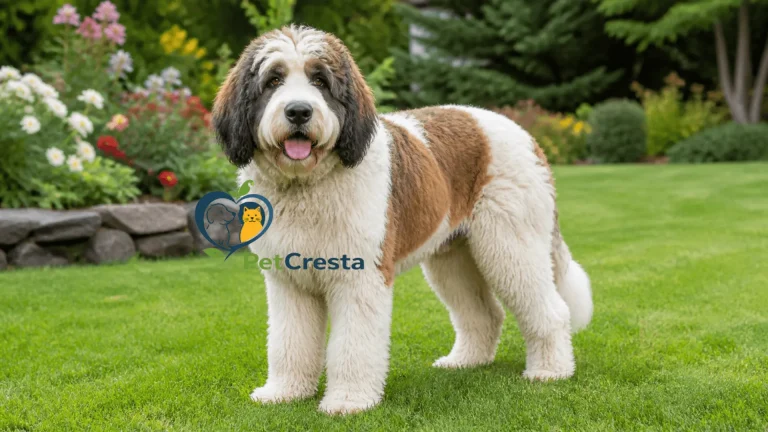
Miniature Bernedoodle: Size, Temperament, Shedding, Lifespan & Care Guide
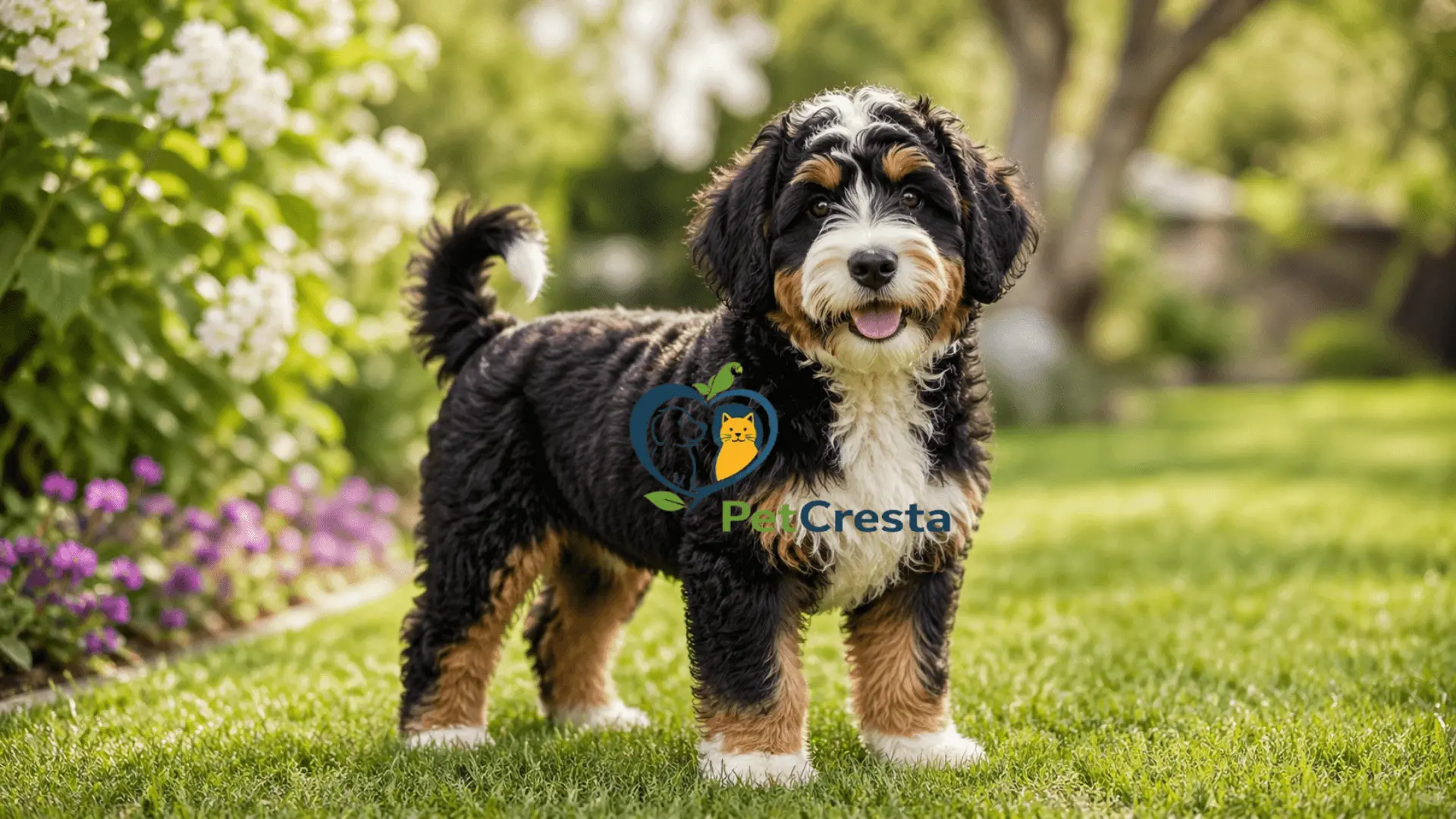
The miniature Bernedoodle is a smaller Bernedoodle type created by crossing the Bernese Mountain Dog with the Miniature Poodle. Many families are drawn to this dog for its affectionate nature, manageable size, and soft coat.
Still, this cross is not fully predictable. Size, coat texture, shedding level, and energy can vary from one dog to another. A useful guide should explain that variation clearly instead of making fixed promises.
This article focuses on the questions that matter most in daily life: size, temperament, grooming, health, exercise, family fit, and the common concerns owners face during the puppy stage and beyond.
TL;DR: Is The Bernese Mountain Dog Poodle Mix Right For Your Home
This dog often fits well in a home that wants a friendly companion with moderate activity needs, regular human interaction, and steady grooming. It is usually less ideal for a home that wants a very low upkeep coat or a dog that can be left alone for long stretches.
| Best for | Less ideal for | Biggest tradeoff |
|---|---|---|
| Families wanting a social companion | Homes wanting very low grooming needs | Coat care and upkeep |
| Owners willing to train consistently | Homes where the dog will spend long hours alone | Size and coat variation |
| People want a smaller doodle-type dog | Buyers expecting one exact adult outcome | Daily structure and engagement |
A good fit depends more on home rhythm than the label itself. This dog usually does best with brushing, walks, calm training, and regular family contact.
Mini Bernedoodle Dog: At A Glance
A quick summary helps set expectations before getting into the details. The points below are best viewed as likely ranges, not guarantees.
| Trait | What to expect |
|---|---|
| Weight | Often around 20 to 45 pounds |
| Height | Often around 18 to 22 inches |
| Lifespan | Often around 12 to 16 years |
| Energy | Moderate |
| Exercise | About 30 to 60 minutes each day for many adults |
| Shedding | Often low to moderate |
| Coat | Straight, wavy, or curly |
| Brushing | Often 3 to 4 times each week |
| Professional grooming | Often every 6 to 8 weeks |
| Family fit | Often good with respectful children |
| Other pets | Often good with proper introductions |
| Apartment fit | Possible with enough routine and activity |
| Maintenance level | Moderate to high |
These ranges shift with parent size, sex, coat type, and generation. That is why adult outcome should be discussed as a range instead of one fixed promise.
What Is A Miniature Bernedoodle Dog?
This dog is a cross between the Bernese Mountain Dog and the Miniature Poodle. It is usually smaller than a standard Bernedoodle and is often known for being affectionate, social, and responsive to training.
Many homes choose this cross for its family-centered nature and manageable size. The main point to understand early is that coat, shedding, and adult size can still vary by parent size, sex, and generation.
What IsThis Crossbreed?
This Bernese poodle mix was developed to blend traits many people like in the Bernese Mountain Dog with the intelligence and smaller size influence of the Miniature Poodle. That does not create one perfectly standardized result.
Some dogs look more Bernese in frame and expression. Others lean more toward the Poodle side in coat texture, movement, and shedding. That variation is normal and should be expected.
Parent Breed Influence
The Bernese Mountain Dog often contributes a sturdy build, a calm family presence, and the rich color pattern many people associate with Bernedoodles. The Miniature Poodle often contributes intelligence, athletic ability, and a coat that may shed less.
A simple way to understand the mix is this:
Bernese Mountain Dog plus Miniature Poodle equals a smaller Bernedoodle type with variable coat, size, and energy. That variation is one reason this breed type needs careful explanation early.
Mini Bernedoodles: Origin And Modern Popularity
Bernedoodles became more widely known in the early 2000s as interest in doodle crosses grew. Smaller versions became popular because many families wanted a dog with Bernedoodle appeal in a size that felt easier to manage in daily life.
Popularity has increased quickly, but popularity does not remove the need for realistic expectations. Smaller size does not always mean lower care.
What are Mini Bernedoodle’s full-grown size and growth?
Adult size is one of the biggest questions with this topic. The safest way to describe this dog is as a small to medium cross with a broad range shaped by genetics, sex, parent size, and generation.
A realistic guide helps owners plan better. It also reduces disappointment when a puppy matures larger or smaller than expected.
Miniature Bernedoodles Adult Size Snapshot
Many dogs in this type finish in the small to medium range. A useful working range for many homes is around 20 to 45 pounds and about 18 to 22 inches tall, though some lines can fall outside that range.
The biggest factors are the actual size of the parents, the sex of the dog, and the generation.
Why Size Can Vary So Much?
The word mini sounds exact, but it often is not. A dog may inherit more size from one parent side than expected. Sex also matters, and breeder size labels are not always used in the same way from one program to another.
The best size estimate usually comes from three things together: the parents, previous litters, and an honest range rather than one exact number.
Mini, Micro, And Standard Compared
Size labels can sound simple, but they do not always work the same way across breeders or websites. A side-by-side comparison makes the differences easier to understand before focusing on one type.
| Type | General size feel | Home fit | Main note |
|---|---|---|---|
| Micro | Very small | Best for homes wanting the smallest version | Labels vary a lot |
| Mini | Small to medium | Common choice for homes wanting a manageable size | Still variable |
| Standard | Medium to large | Better for those comfortable with a larger dog | More space and handling strength are needed |
A smaller dog can be easier to lift, travel with, and fit into tighter spaces. A larger one may be a better match for families that prefer a sturdier build and more outdoor room.
For this guide, the mini category stays the main focus, but this comparison helps place it within the wider Bernedoodle range.
Mini Bernedoodle Growth Chart
Puppy growth happens quickly at first and then slows over time. A chart can help with planning, but it should never be treated as a promise.
| Age | General expectation |
|---|---|
| 8 weeks | Small puppy with rapid early growth |
| 3 months | Longer legs and clearer body shape |
| 6 months | Much of the height is often present |
| 9 months | Growth continues more slowly |
| 12 months | Near adult size for many dogs |
| 18 months | Final filling out in some dogs |
The most accurate size discussion always comes back to the parents and the line, not the chart alone.
Mini Bernedoodle Temperament And Family Fit
This dog is often described as affectionate, playful, and people-focused. Many enjoy being close to the family and do not like feeling shut out of daily life.
Temperament is never shaped by genetics alone. Socialization, handling, sleep, routine, and training all matter.
Typical Personality
A well-raised dog of this type often shows a warm, social nature. Many are eager to learn and respond well to calm guidance.
| Trait | What it may look like at home |
|---|---|
| Affection | Seeks contact and enjoys family closeness |
| Social interest | Wants to be near people rather than off on its own |
| Trainability | Learns routines and cues well with repetition |
| Playfulness | Enjoys games and family interaction |
| Sensitivity | Responds better to a calm structure than harsh handling |
This balance is one reason the breed is so appealing. It often feels companionable without being too detached.
Life With Children And Other Pets
Many do well with children when the home is calm and supervision is steady. Puppies still need rest, handling limits, and quiet time to avoid jumping and mouthing.
Other dogs are often accepted well with proper introductions. Some also do well with cats, especially when exposure starts early and is managed carefully.
Respectful handling matters on both sides. A puppy and a young child both need structure.
Aggression And Mini Bernedoodle Behavior Problems
Aggression is not a defining trait of this cross. Still, any dog can show guarding, fear-based behavior, frustration, or reactivity when stressed, in pain, or poorly socialized.
The more common challenges are often barking, jumping, puppy biting, and separation-related distress. These issues usually respond best to early training and a steady routine.
| Behavior concern | Common cause | First response |
|---|---|---|
| Barking | Alerting, boredom, frustration | Improve routine and teach calm recovery |
| Jumping | Excitement, poor impulse control | Reward calm greetings |
| Puppy biting | Teething, fatigue, overstimulation | Redirect and increase rest |
| Chewing | Teething, boredom | Use safe chew items and supervision |
| Clingy behavior | Weak independence skills | Build short separations gradually |
Persistent fear, escalating reactivity, or sudden behavior change should be taken seriously. Behavior and health often overlap.
Main Downsides To Know Early
No dog type is ideal for every home. The main challenges here are usually the grooming load, the need for daily engagement, and the lack of exact predictability in size and coat.
A home that wants very low upkeep, very long periods alone, or an exact adult outcome may struggle with this breed more than expected.
Coat, Shedding, And Grooming
The coat is one of the main reasons people are drawn to this dog. It is also one of the most misunderstood parts of the breed profile.
A lower shedding coat may sound simple, but it often comes with more brushing, more coat care, and more routine grooming.
Mini Bernedoodle Coat Types
Most dogs in this type fall into one of three coat patterns. Each one changes the amount of maintenance needed at home.
| Coat type | Texture | Shedding tendency | Grooming demand |
|---|---|---|---|
| Straight | Closer to the Bernese side | Often higher | Moderate |
| Wavy | Middle ground | Often low to moderate | Moderate to high |
| Curly | Closer to the Poodle side | Often lower | High |
A curlier coat may leave less loose hair around the home, but it usually needs more brushing and more regular trimming.
Mini Bernedoodle Shedding Level
Many owners ask whether this dog sheds a lot. The honest answer is that shedding is often lower than in many other family dogs, but it is never correct to promise none.
Low shedding also does not mean allergy-proof. Dander and saliva can still trigger reactions in sensitive people.
Why Some Dogs Shed More Than Expected?
A dog may shed more because the coat is straighter, the undercoat is stronger, or the inherited mix leans more toward the Bernese side. In some dogs, loose hair becomes more obvious during coat changes or when brushing is inconsistent.
A sudden change in coat quality, itching, or heavy hair loss should be treated as a health clue, not only a grooming issue.
Mini Bernedoodle Grooming Needs And Routine
Most dogs in this type need a structured grooming routine. Without it, mats can build up around the ears, chest, legs, tail, and friction areas.
A practical grooming plan often includes:
☐ Brushing 3 to 4 times each week
☐ Line brushing through thicker areas
☐ Ear checks every week
☐ Nail trimming on a regular schedule
☐ Dental care several times each week, ideally daily
☐ Bathing about every 4 to 6 weeks or as needed
☐ Professional grooming about every 6 to 8 weeks for many coats
Dogs that swim often may need closer ear checks. Moisture trapped in coated ears can create trouble quickly.
Color And Markings
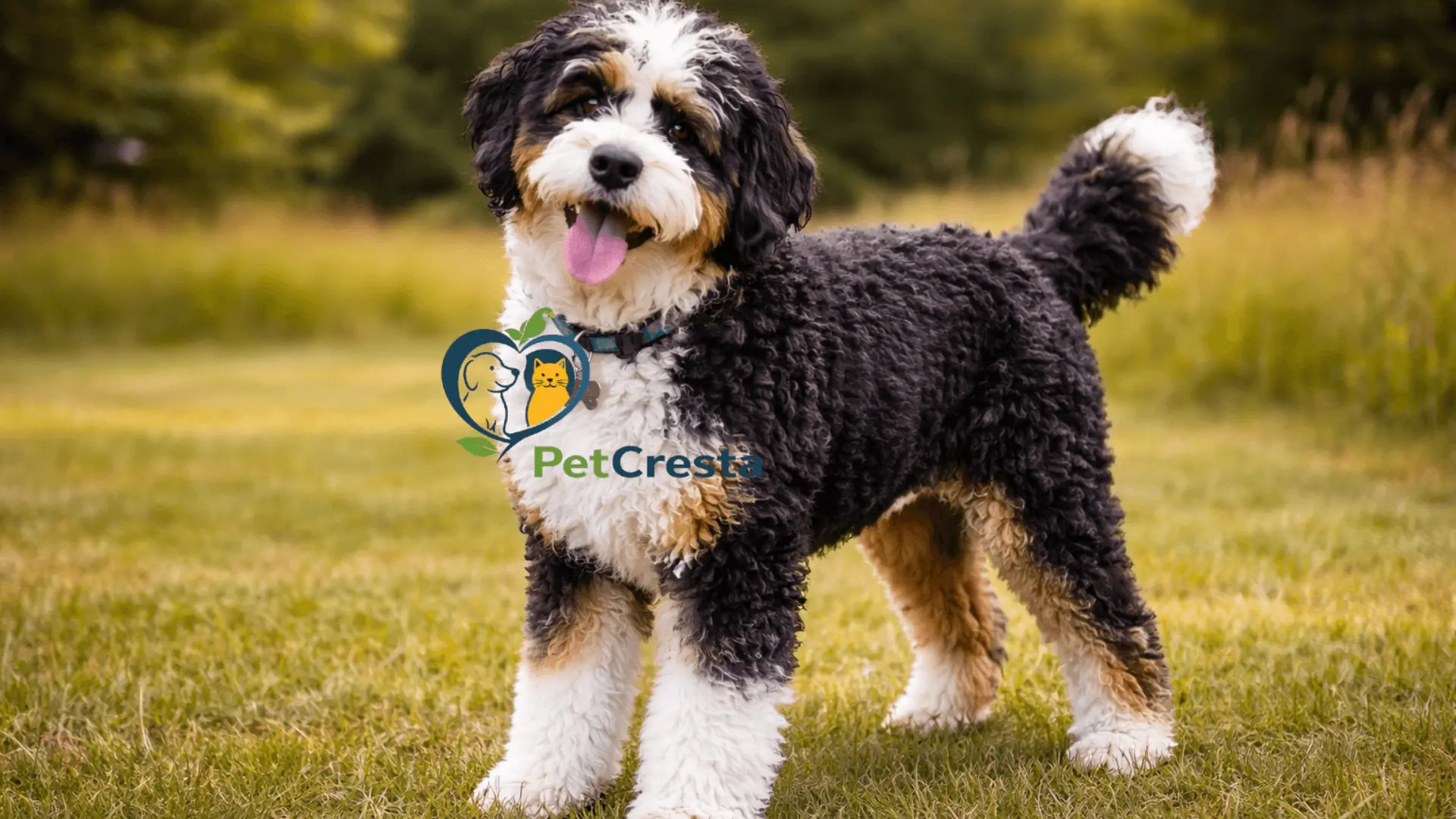
Common looks may include tricolor, black and white, phantom style markings, or other mixed patterns. Some coats may lighten or fade with age.
Color can be attractive, but it should not take priority over health, temperament, and structure.
Mini Bernedoodle Lifespan And Health
Many dogs of this type live healthy, active lives. Mixed breeding can reduce some risk in some lines, but it does not remove inherited concerns.
The most useful approach is to think in terms of risk management, healthy weight, preventive care, and thoughtful puppy selection.
General Health Outlook
Overall health depends on genetics, line quality, body condition, exercise balance, and routine veterinary care. Good care can lower risk, but no breeding approach can promise zero health concerns.
That is why early health planning matters more than sales language.
Lifespan Snapshot
A practical working range for many dogs of this type is around 12 to 16 years. Some live longer, and some live shorter lives, depending on genetics, body condition, dental care, activity balance, and preventive care.
Lifespan should always be discussed as a range, not a guarantee.
Mini Bernedoodle Common Problems To Watch
| Health area | What owners may notice | Why it matters |
|---|---|---|
| Joints | Stiffness, limping, hesitation with jumping | Joint comfort affects mobility and quality of life |
| Ears | Odor, redness, scratching | Coated ears can trap moisture |
| Skin | Itching, flakes, dull coat | Skin issues affect comfort and coat health |
| Eyes | Squinting, discharge, cloudiness | Eye changes need prompt attention |
| Weight | Reduced stamina, thicker waistline | Extra weight adds strain to the body |
| Digestion | Loose stool, stomach upset, fussiness | Feeding tolerance can vary |
Long fear-based lists are not very helpful. What matters most is noticing change early and acting on it.
A veterinarian should be contacted promptly for ongoing vomiting, severe diarrhea, pain, breathing trouble, collapse, or a clear drop in normal behavior.
Choosing A Healthier Mini Bernedoodle Puppy
A better start often comes from better questions. This helps reduce avoidable surprises later.
| What to ask | Why it matters |
|---|---|
| What health testing was done on the parents | Helps clarify inherited risk |
| What do the parents weigh | Helps with size expectations |
| How were the puppies socialized | Early handling shapes adjustment |
| Has the puppy seen a veterinarian | Helps confirm the first health baseline |
| What coat type is likely | Helps prepare for grooming needs |
| How did previous litters mature | Gives a more realistic picture of size and coat |
This checklist also works for a rescue or rehome situation, with the understanding that not every answer will be available.
Mini Bernedoodle Exercise, Training, And Daily Care
This dog usually does best with moderate daily movement and steady mental engagement. The energy level is often manageable, but boredom can still lead to barking, chewing, and poor settling.
A balanced routine usually works better than intense activity followed by long periods of inactivity.
Daily Movement Needs
A useful daily rhythm often includes one or two walks, short play periods, and simple training. Many adults do well with about 30 to 60 minutes of daily activity, adjusted for age, health, and temperament.
Puppies need shorter, lighter sessions and more rest. Exercise should support behavior and body condition, not simply tire the dog out.
Apartment Living And Home Setup
This dog can do well in an apartment when routine, walks, training, and noise control are handled well. Space matters less than daily structure and enough time outside.
A yard can help, but it does not replace training, walks, and calm interaction. A smaller home with a strong routine often works better than a larger home with very little engagement.
Weather Tolerance
A thicker coat can make hot weather harder. Warm climates call for shade, fresh water, and exercise during cooler hours.
Cooler weather may suit some dogs better, but no coat makes a dog immune to temperature extremes. Weather planning still matters.
Mini Bernedoodle Puppy Training Priorities
This puppy often responds well to calm, reward-based training. Harsh handling tends to work poorly, especially with a sensitive or people-focused temperament.
The priorities are usually:
- house training
- crate comfort
- leash basics
- calm greetings
- recall foundation
- grooming handling
- settle skills
This breed type can work well for a first-time owner who is willing to be consistent. Short, steady training is usually more effective than long sessions.
Barking And Biting
Puppy biting is often linked to teething, fatigue, and excitement. Barking is often linked to alerting, frustration, boredom, or poor settling skills.
| Problem | Helpful response |
|---|---|
| Puppy biting | Redirect, increase naps, use calm handling |
| Barking at sounds | Reward quiet recovery and confidence |
| Demand barking | Avoid rewarding noise with instant attention |
| Over excitement | Build calm pauses into play and greetings |
The goal is to reduce stress and build control, not simply suppress behavior. Ongoing difficulty may benefit from trainer support.
Feeding And Eating Concerns
Food questions are common because appetite, pace of eating, and stomach tolerance can vary from one dog to another. A steady feeding routine often helps more than frequent changes.
Simple feeding habits are usually easier on the dog than constant adjustment.
Feeding Basics
A complete and balanced diet matched to life stage is the foundation. Portion size should be based on body condition, activity level, and veterinary guidance, not guesswork alone.
Fast eaters may benefit from a slow feeder. Sensitive stomachs often do better with consistency and gradual transitions.
A practical feeding checklist includes:
☐ choose food matched to age and size
☐ measure portions rather than guessing
☐ monitor body condition, not only appetite
☐ change foods gradually
☐ keep treats in proportion to the full diet
☐ Use fresh water at all times
When A Mini Bernedoodle Dog Is Not Eating
One missed meal is not always urgent if the dog is bright, hydrated, and otherwise acting normally. What matters is the full picture.
| Watch closely at home | Contact a veterinarian promptly |
|---|---|
| Mild stress after routine change | Vomiting |
| Slight appetite drop during teething | Lethargy |
| Temporary fussiness | Pain signs |
| Brief distraction in a new setting | Swollen abdomen |
| Mild schedule disruption | Dehydration |
A dog that stops eating and also seems unwell needs more than waiting.
Types Of Bernedoodles And Generations
Generation labels help guide expectations, but they do not remove all variation. They are useful when paired with real parent information and line history.
A generation label should be treated as a tool, not a guarantee.
F1 Bernedoodles
An F1 dog is a first-generation cross between the Bernese Mountain Dog and the Poodle. This generation often shows wider variation in coat, body type, and shedding.
For some homes, that is acceptable. For others, it may feel too open-ended.
F1B Bernedoodles
An F1B dog usually has more Poodle influence. That often raises the chance of a curlier coat and may reduce visible shedding, but grooming demand can increase. This generation is often discussed by owners who care strongly about coat texture. For a closer look at coat, shedding, and generation differences, see the full guide on F1b Bernedoodle traits.
F2 Bernedoodles
An F2 dog comes from a Bernedoodle to Bernedoodle pairing. Variation can widen again depending on the line.
The label can help, but line quality still matters more than the letters and numbers alone.
Comparison Box
| Generation | Coat predictability | Shedding tendency | Grooming demand | Variation level |
| F1 | Lower | Moderate to variable | Moderate | Higher |
| F1B | Higher | Often lower | Higher | Moderate |
| F2 | Variable | Variable | Variable | Higher |
The best fit depends on what matters most in the home. Some families care most about the coat. Others care more about size, grooming style, or general appearance. Readers interested in other Bernedoodle variations can compare this mix with the Australian Bernedoodle to understand how different breeding lines may affect coat, size, and temperament.
Mini Bernedoodle Vs Goldendoodle
This is a common decision point because both are popular family doodle types. The right choice depends on the feel of the dog, the coat workload, and the home routine.
Neither is universally better. The better fit depends on the household.
| Area | This cross | Goldendoodle |
|---|---|---|
| Build | Often sturdier and heavier in feel | Often lighter and sportier |
| Personality | Often calm, social, and affectionate | Often outgoing and active |
| Coat | A variable can be dense | Also variable, often soft to curly |
| Size predictability | Can be less exact | Also variable, depending on the line |
| Family fit | Often strong with a calm routine | Often strong with an active routine |
A home that wants a sturdy, calm, affectionate companion may lean one way. A home that wants a lighter, more energetic feel may lean the other way. Homes comparing larger doodle options may also find the standard goldendoodle guide useful before choosing between these family dogs.
Puppy Stage And First Year
The puppy stage is where expectations matter most. A young dog is still learning how to sleep, settle, eliminate outdoors, accept brushing, and handle frustration.
A calm first year often shapes a much easier adult dog.
What To Expect Early
Most puppies need structure more than freedom. Predictable routine usually improves sleep, toilet habits, and behavior.
☐ frequent potty trips
☐ structured naps
☐ short training sessions
☐ gentle social exposure
☐ grooming practice
☐ safe chew outlets
☐ predictable meals
The first months are usually about habit building, not perfection. The puppy coat may also change as the adult coat comes in. New owners planning the first few months can also read the complete guide to Bernedoodle puppies for early care, training, and routine support.
First Year Priorities
| Stage | Main focus |
|---|---|
| First weeks at home | Safety, house training, sleep, bonding |
| Early puppy months | Socialization, handling, routine |
| Middle puppy phase | Leash work, calm greetings, and grooming acceptance |
| Adolescent phase | Consistency, boundaries, and continued training |
Bite inhibition, handling tolerance, and routine matter just as much as basic obedience at this stage.
Is This Dog A Good Fit For The Home?
This dog often works best in homes that want a close companion and can offer daily structure. It is usually a strong fit for people who enjoy training, want a family-centered dog, and do not mind coat care.
It is often a weaker fit for homes expecting an exact adult look, very low maintenance, or long periods of isolation.
Good Fit
| Good match if the home wants | Why it works |
|---|---|
| A social companion | This dog often likes family closeness |
| A trainable dog | Many respond well to calm guidance |
| A smaller doodle type | The size is often easier to manage than a standard |
| A family-centered dog | Many settle well with routine and interaction |
| A first-time friendly companion | Many do well with steady, patient guidance |
Poor Fit
| Less ideal if the home wants | Why it can be hard |
|---|---|
| Very low grooming | Coat care is often significant |
| Total size certainty | Mixed breeding allows variation |
| Long hours alone | Social needs can be high |
| Minimal training effort | Behavior issues grow without structure |
A clear fit decision matters more than a trendy label or a photo.
Conclusion
Miniature Bernedoodle can be a strong match for homes that want an affectionate, trainable, smaller doodle-type companion and are ready for regular grooming. The biggest mistake is assuming the label tells the whole story.
A better approach is to look at the full picture: size range, coat type, energy level, grooming demand, and the daily rhythm of the home. When those pieces line up well, this cross can be rewarding to live with.
FAQ’s
A Bernedoodle is a cross between a Bernese Mountain Dog and a Poodle. The final size category depends on whether the Poodle parent is standard, miniature, or toy-sized.
It is a mixed breed, not a standardized pure breed. That is why size, coat, and appearance can vary from one dog to another.
Many land in the small to medium range, often around 20 to 45 pounds, though some lines run smaller or larger. Parent size, sex, and generation all shape the outcome.
Many do well with children when the home provides supervision, structure, and respectful handling. Puppies still need rest and clear limits to avoid rough behavior.
Aggression is not a defining trait of this cross, but fear, pain, stress, and poor socialization can still create behavior problems. Early attention matters.
Many are healthy, but they can still inherit concerns from either parent side. Good selection, healthy weight, and routine veterinary care all make a difference.
Many shed less than some other family dogs, but shedding is not zero. Coat type, season, and inherited traits all affect what the home will see.
Many live around 12 to 16 years, though individual outcomes vary. Genetics, body condition, dental care, and preventive veterinary care all matter.
They can be, mainly because of coat care, grooming appointments, training, and daily social needs. The coat is often the biggest maintenance factor.
Puppy biting is often linked to teething, excitement, and fatigue. A steadier routine, more sleep, and calm redirection usually help more than punishment.
Shedding can rise with a straighter coat, seasonal change, brushing gaps, or skin and nutrition issues. A sudden change in coat quality should not be ignored.
Start by finding the trigger. Then improve routine, reward quiet behavior, and teach calm recovery instead of reacting only when the barking is already intense.
Look at appetite together with energy, hydration, stool, and comfort. A dog that skips food and also seems sick should be checked promptly.
An F1 mini Bernedoodle is a first-generation cross between a Bernese Mountain Dog and a Miniature Poodle. This mix often combines a smaller size with a wavy or curly coat, but traits can still vary from dog to dog. Adult size, coat texture, energy level, and shedding are never fully identical because first-generation litters are less uniform.
Bernedoodles can inherit genetic risks from either parent breed, including joint disease, eye disorders, and some heart concerns. Mini lines may also carry inherited issues linked to the Poodle side, while Bernese lines can contribute larger breed orthopedic risks. Health testing in the parent dogs lowers risk, but it does not guarantee that every puppy will stay free of inherited disease.
Mini Bernedoodles usually respond best to calm, reward-based training with short sessions and a steady routine. Early work on leash manners, recall, grooming tolerance, and alone time often makes daily life much easier later on. Consistency matters more than pressure, since some dogs in this mix are sensitive and may shut down with harsh handling.
Yes, Bernedoodles can have health issues, just like any mixed-breed or purebred dog. Common concerns may include hip and elbow problems, skin and ear issues, digestive sensitivity, and dental disease. Regular veterinary care, weight control, good breeding practices, and early screening help reduce the impact of many common problems.
References
- Bernedoodle Dog Breed Health and Care | PetMD
- Bernese Mountain Dog Dog Breed Information | AKC
- Poodle Miniature Dog Breed Information | AKC
- Mini Bernedoodle: Your Complete Guide | Dog Academy
- Mini Bernedoodle Dog Breed Information | DogTime
- All About Bernedoodles | Walnut Valley Puppies
- The Perfect Mini Bernedoodle | Down Home Doodle