Dog Skin Tag on Ear: Symptoms, Diagnosis, and Vet Treatment Guide
A small skin tags on dogs ear can look simple at first, but the ear flap is a sensitive place for any surface lesion. This area moves often, gets scratched easily, and can reopen after even minor irritation. That is why a growth on the ear may draw more concern than a similar lesion on a quieter part of the body.
This guide focuses only on the outer ear, ear flap, ear edge, and pinna. It does not cover deeper ear canal problems. That distinction matters because a surface tag on the ear flap follows a different pattern than a deeper ear condition.
A growth on the ear flap is still part of the broader skin tag on dog topic, but the ear needs more focused attention because this area is easy to irritate.
Quick Verdict: Is A Skin Tag On A Dog Ear Serious?
- A skin tag on the outer ear is often benign once a veterinarian confirms what it is.
- On the ear flap, even a small growth can become a problem because scratching and head shaking can make it bleed or reopen.
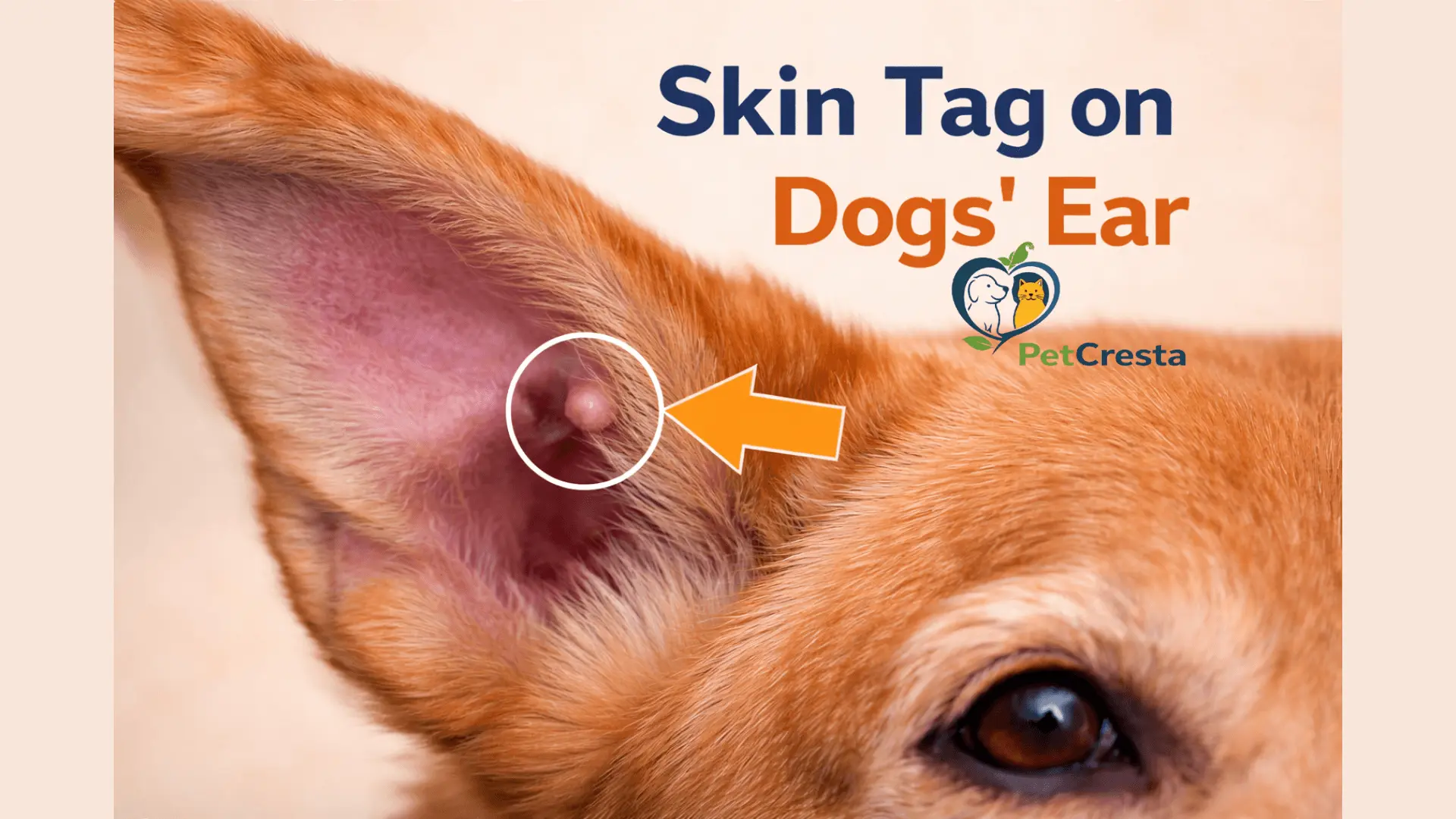
- A dog ear skin tag usually looks like a small fleshy flap, soft hanging bump, or stalk-like surface growth on the outer ear.
- A stable lesion that has already been checked and is not bleeding or changing may be monitored.
- A new, growing, painful, crusted, or repeatedly irritated lesion should be examined sooner.
Characteristics At A Glance: What This Growth Usually Looks Like
A quick table can help sort a quiet surface lesion from one that deserves a closer look.
| Feature | A common finding in a benign-looking tag | Finding that needs a check |
|---|---|---|
| Appearance | Small fleshy flap or soft stalk-like bump | Irregular, thickened, or ulcerated growth |
| Texture | Soft to slightly firm | Hard, very thick, or fixed in place |
| Color | Similar to nearby skin or slightly darker | Marked redness, blackening, or mixed color change |
| Size pattern | Slow to change | Noticeable growth over time |
| Touch response | Usually not painful unless irritated | Sensitive or painful to handle |
| Bleeding risk | Low when left alone | Bleeds with scratching or rubbing |
| Surface | Smooth or lightly wrinkled | Crusted, open, or moist |
| Ear-specific concern | The ear flap is easy to reopen | Repeat trauma can keep the area inflamed |
| Vet timing | Can be watched after diagnosis | New, changing, bleeding, or painful lesion |
What Is A Skin Tags on Dogs Ear
On the outer ear, a skin tag-like lesion usually sits on the skin surface and projects outward. It may have a narrow base, or it may look like a tiny flap attached along one edge. Many owners first notice it by touch while petting the ear rather than by looking at it directly.
A surface growth on the ear flap often becomes easier to see after irritation. Redness, crusting, or mild swelling can make a small lesion look more dramatic than it did at first. That is one reason steady observation matters.
Common Places On The Outer Ear
These growths are often noticed on the ear edge, the middle of the flap, or near the base of the pinna. Areas that catch on nails or rub during head movement tend to attract attention sooner because they become irritated more easily.
Features That Fit A Benign Looking Tag
A benign-looking surface tag is usually small, soft, and slow to change. It often seems attached to the surface rather than buried deeply in the ear tissue. It may not bother the dog until it is scratched, rubbed, or repeatedly traumatized.
Types of Owners May Mean When They Say Dog Skin Tag Ear
Owners often use the term skin tag for several skin tag-like surface growths on the ear flap. A veterinarian may describe the lesion more specifically after examination, and in some cases after tissue testing.
Terms that may be used include skin tag, acrochordon, fibroepithelial polyp, and hamartoma. These names reflect tissue pattern rather than just appearance. The practical point is simple: a small fleshy ear flap growth may look like a skin tag, but the final label depends on what the lesion actually is.
What Owners Usually Notice First
Most outer ear lesions are not found during a close inspection. They are noticed in daily life. A dog owner may feel a small flap while petting, see a speck of blood on the ear, or realize the dog has started scratching one side more often.
Sometimes the lesion itself is not the first clue. The first clue may be crusting, mild swelling, or head shaking. Once irritation starts, the area can look larger and more active than it did when it first appeared.
Signs That Are Often Less Urgent
A surface lesion may seem less urgent when it is small, unchanged, not bleeding, and not attracting the dog’s attention. A quiet lesion with a smooth surface and no redness around it is usually less concerning than one that is changing.
Signs That Need Closer Attention
A lesion deserves closer attention when it gets bigger, bleeds, crusts, opens, or becomes red and swollen. Repeated scratching also matters because self-trauma can turn a mild ear flap problem into a persistent one.
Quick checklist
- Is it new
- Has it changed in size
- Has it bled
- Does the dog keep scratching it
- Does the ear flap look swollen
- Is the surface crusted or open
Skin Tag On Dogs Ear Causes
There is not one single cause behind every growth on dog’s ear. Some benign surface lesions become more common with age, while others may be linked with repeated irritation or local trauma. The outer ear is a site where small injuries and ongoing friction are easy to notice.
The key point is that cause and appearance are not always the same thing. A growth may look like a simple tag, but the history of scratching, rubbing, or repeated irritation can shape how it behaves and how inflamed it looks.
Friction-based locations, such as a skin tag on a dog’s leg, may also become more noticeable over time when rubbing and repeated irritation affects the skin.
Factors That May Play A Role
Older age can matter because benign skin growths tend to become more common over time. Repeated scratching can also matter, especially in dogs that often irritate one ear. Recurring ear inflammation, past trauma to the ear flap, and friction along the ear edge may all contribute to local tissue change.
These factors do not confirm a diagnosis. They simply help explain why a lesion may appear or why it may become more noticeable on the ear flap.
When To Worry About A Growth On The Ear Flap
A stable diagnosed lesion is often less concerning than a new or changing one. Concern rises when the lesion starts behaving differently. Growth over time, repeated bleeding, shape change, surface breakdown, pain, and discharge are all stronger reasons to stop watching and book an exam.
Sensitive areas such as skin tags on a dog’s eyes also need earlier attention because irritation near delicate tissue can become a bigger problem faster.
The ear flap also deserves respect because deeper ear problems can exist nearby. A small surface lesion is one thing. A painful ear with odor, discharge, or marked sensitivity suggests a different problem may also be present.
Red Flags That Should Move This Out Of Monitor Mode
| Monitor only after veterinary confirmation | Book a visit soon |
|---|---|
| Small and stable | New and not yet checked |
| Soft surface lesion | Noticeable growth |
| No bleeding | Repeated bleeding |
| No pain | Pain with handling |
| Smooth surface | Open, moist, or ulcerated area |
| The dog leaves it alone | Frequent scratching or head shaking |
| The ear flap looks normal | Thick swelling, discharge, or odor |
Why Does Growth On Dog Ear Skin Tag Bleed And Reopen Easily
The outer ear is thin, exposed, and always moving. That alone makes healing more difficult. A lesion that might stay quiet elsewhere can keep reopening on the ear because the flap is constantly flexing and catching on nails, bedding, or grooming tools.
This is why some owners first notice the lesion only after it bleeds. The growth may have been present for some time, but repeated motion and mild trauma bring it to attention.
Scratching And Self-Trauma
A scratching dog can catch the lesion with a nail and tear the surface. The result may be a small blood spot, a crust, or local soreness. Once the area becomes irritated, the dog may keep returning to it.
Head Shaking And Ear Flap Stress
Head shaking adds repeated motion to a delicate flap of skin. That movement can reopen the lesion, increase swelling, and slow healing. A site that never gets a quiet rest period is more likely to look worse over time.
How A Vet Usually Checks An Ear Flap Growth
A veterinary visit usually begins with a close look at the lesion itself. Size, shape, color, texture, base attachment, and exact position on the ear flap all matter. The surrounding skin is checked for swelling, discharge, crusting, and signs of repeated trauma.
The history is also important. A veterinarian may ask when the growth was first noticed, whether it has grown, whether it has bled, and whether the dog scratches the ear often. Photos from earlier weeks can be very helpful if the lesion has changed slowly.
Questions The Vet May Ask
- When was the lesion first noticed
- Has it grown or changed shape
- Has it bled or crusted
- Does the dog scratch or shake its head often
- Has there been recent ear irritation
- Are there older photos for comparison
Some growth on dogs ear can be judged well by an exam. Others may need sampling or removal for full confirmation. That is especially true when the surface is irregular, the lesion is changing, or the appearance does not fit a simple benign tag.
When Removal May Make Sense
Dog skin tag on ear Removal is not always needed. If a lesion is diagnosed as benign and not causing trouble, monitoring may be enough. On the ear flap, though, removal comes up more often because the location is hard to protect from repeated trauma. Similar irritation can happen with a skin tag on a dog’s lip, where daily movement and repeated contact make some surface growths harder to remove alone.
A dog skin tag on the ear may be removed when it keeps bleeding, keeps reopening, catches on the nails, or stays inflamed despite efforts to leave it alone. In some dogs, removal is the cleaner choice because the ear site never gets a fair chance to settle.
Why Home Removal Is A Poor Idea
Trying to remove a dog ear skin tag at home can lead to pain, bleeding, infection, and delayed diagnosis. A surface growth that looks simple may not actually be a harmless tag. The ear flap is also a frustrating place to control bleeding once the tissue is disturbed.
Skin Tag On Dog’s Ear Removal Cost
The cost of removing an outer ear lesion can vary widely because the total cost depends on the plan, the dog, and the exact lesion. A small, simple growth may involve far less work than a bleeding, irritated lesion on a delicate part of the ear flap.
The price is often shaped by the exam, the removal itself, whether sedation or anesthesia is needed, whether tissue is sent for laboratory review, and whether medication or recheck care is included.
What Usually Affects The Estimate
| Cost factor | Why it change the total |
| Exam fee | The visit itself is often billed separately |
| Size of the lesion | Larger lesions may take more time and planning |
| Exact ear location | Thin ear flap tissue may need more careful handling |
| Sedation or anesthesia | Some dogs need more support for safe removal |
| Tissue testing | Histopathology adds cost but improves diagnostic certainty |
| Medication | Pain relief or other treatment may be added |
| Recheck visit | Follow-up care may add another fee |
How To Ask The Clinic For A Clearer Quote
A useful estimate usually comes after the clinic sees the lesion in person. It helps to ask whether the quote includes the exam, sedation or anesthesia, tissue testing, medication, and a recheck visit. That makes the total much easier to understand.
Monitor At Home Or Book A Vet Visit
A clear decision path helps more than guessing. Home monitoring is most reasonable after a lesion has already been checked and the dog is comfortable. A new or changing lesion should not stay in the watch-and-wait category for long. Caution is also important with a skin tag on a dog’s nipple, where location alone can change how quickly a growth should be checked.
Usually Reasonable To Monitor For Now
Monitoring may be reasonable when the lesion has already been evaluated, stays the same size, does not bleed, and does not attract the dog’s attention. Monthly photo tracking works well for a quiet, stable lesion.
Book A Visit Soon
A visit should move higher on the list when the lesion is new, getting bigger, bleeding, crusting, painful, or repeatedly scratched. The same is true when the owner cannot get a clear look at the base of the growth or is unsure what is being seen.
| Home monitoring after diagnosis | Veterinary visit soon |
|---|---|
| Stable size | Growth over time |
| No bleeding | Repeated bleeding or crusting |
| No pain | Pain with handling |
| Dog ignores it | Frequent scratching or head shaking |
| Smooth surface | Open or ulcerated surface |
| Easy photo tracking | Hard to inspect or uncertain appearance |
Monthly Tracking Checklist
A simple monthly check can make small changes easier to spot. It also creates a record that can be useful at the next visit. The goal is not to diagnose the lesion at home. The goal is to track whether it is staying quiet or changing.
Try to use the same lighting and angle each time. A close photo and a short written note are usually enough.
What To Record Each Month
| Item to track | What to note |
|---|---|
| Date | Exact check date |
| Location | Ear edge, mid flap, or base of pinna |
| Size | Small estimate in millimeters, if possible |
| Color | Skin colored, pink, brown, or mixed |
| Shape | Flap-like, stalk-like, rounded, or irregular |
| Surface | Smooth, crusted, moist, or open |
| Bleeding | Yes or no |
| Scratching | Yes or no |
| Swelling | None, mild, or obvious |
| Photo | One clear, close image |
Conclusion
Many dog ear skin tag ike growths are benign once confirmed. The challenge is the location. The ear flap is thin, exposed, and easy to irritate, so even a small lesion can bleed, crust, or keep reopening.
A stable diagnosed lesion may be monitored with simple monthly tracking. A new growth, changing, bleeding, painful, or repeatedly traumatized should move toward a veterinary exam. On the ear flap, the pattern of irritation often matters as much as the lesion itself.
FAQ’s About Skin Tags on Dog Ears
A skin tag on the ear often looks like a small fleshy flap, a soft hanging bump, or a narrow stalk attached to the surface of the skin. Owners may notice it while petting the ear, cleaning the area, or seeing a tiny blood spot after scratching. A lesion can still look harmless and needs a veterinary check if it is new or changing.
A confirmed benign lesion is often not serious by itself. The concern rises when the growth starts to change, bleed, crust, or become painful. The outer ear is a high-trauma site, so even a mild surface lesion can become more troublesome because of scratching and head shaking.
Removal is not always necessary. A stable lesion that has been checked and does not bother the dog may simply be monitored. Removal becomes more likely when the site keeps bleeding, reopening, or getting caught during scratching, grooming, or daily movement of the ear flap.
There is not one single answer. Age-related tissue change, repeated scratching, local irritation, and past trauma may all play a role in how a surface lesion forms or becomes more obvious. The cause cannot be confirmed from appearance alone, which is why the pattern over time matters so much.
Yes, it can. The ear flap is thin and mobile, so a small lesion can bleed after scratching, rubbing, grooming, trauma, or head shaking. Repeated bleeding is one of the clearest signs that the site needs more attention than simple home observation.
The area may be irritated, inflamed, or prone to catching with a nail. In some dogs, there may also be nearby ear irritation that leads to more scratching overall. Once the lesion is traumatized, the cycle tends to continue because the dog keeps focusing on the same sore spot.
Growth over time should not be ignored. A larger lesion may still turn out to be benign, but a change in size is one of the strongest reasons to move from watching to booking an exam. A bigger lesion is also easier to catch and reopen on the ear flap.
It can, especially after repeated surface injury. Redness, warmth, swelling, discharge, odor, and pain all raise concern that the lesion is no longer just mildly irritated. Once infection or heavier inflammation is suspected, the ear should be checked sooner rather than later.
Older dogs do tend to develop more benign skin growths over time, and that can include small surface lesions on the ear flap. Still, age should never be the only reason to assume a new growth is harmless. The lesion still needs to be judged by its appearance, behavior, and change over time.
Yes. The ear flap moves a lot and is easy to scratch, so a small lesion may crust over and then reopen again with minor trauma. Repeated reopening often means the area is not staying calm long enough to heal well, and it may need medical attention or removal.