What Daily Life With a Havanese Really Looks Like
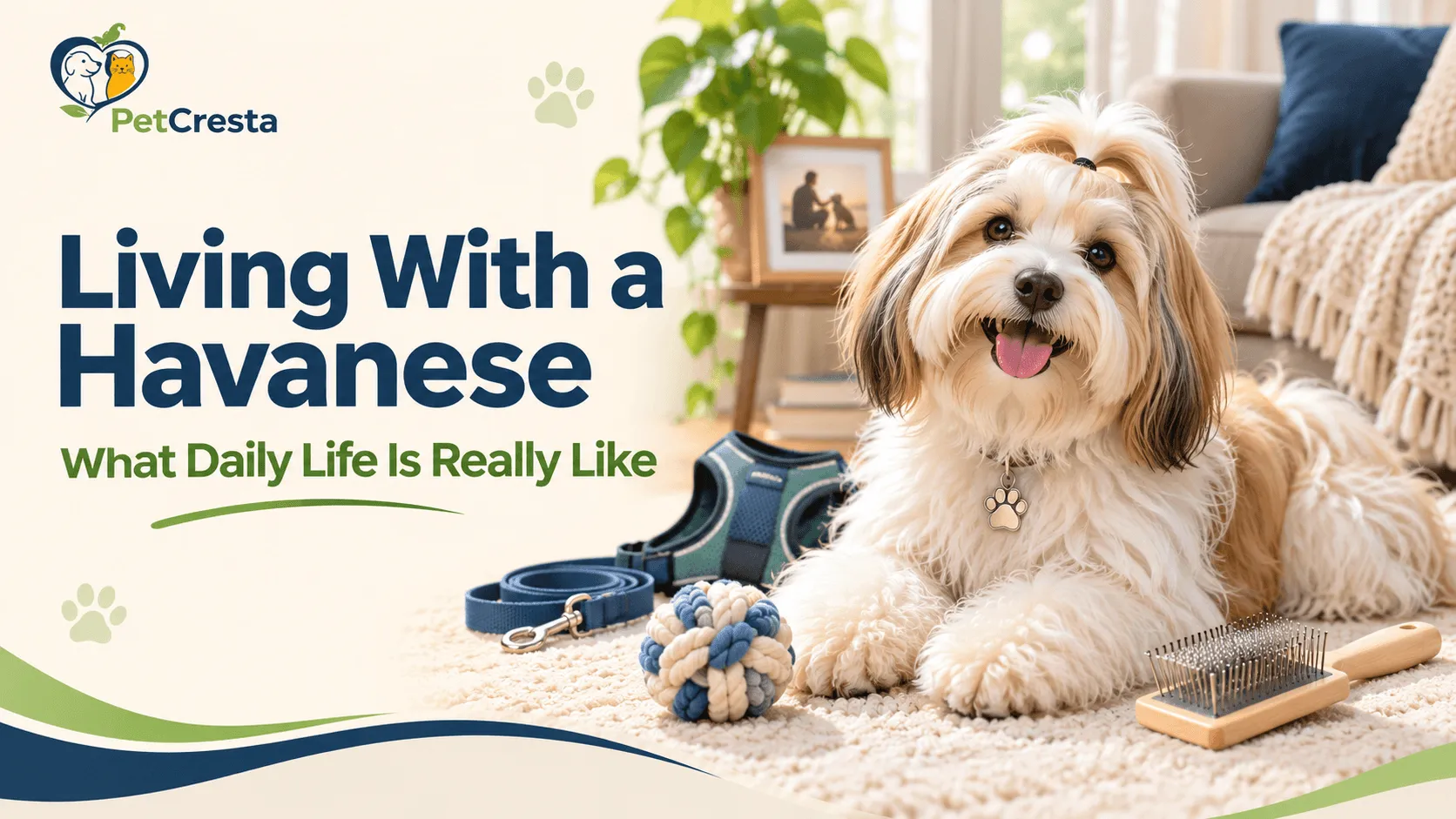
Living with a Havanese means sharing your home with a small, affectionate dog that often wants to be involved in everything you do. Daily life includes walks, playtime, training, regular grooming, and plenty of companionship. It can also include barking at visitors, muddy paws, and a dog that finds being alone difficult.
Breed descriptions often call Havanese intelligent, adaptable, and low-shedding. Those qualities are appealing, but they do not fully explain what ownership looks like from morning to night.
Our Havanese is named Nessie, and living with her has taught us that the breed’s greatest strengths come with everyday responsibilities. Here is what that experience has been like.
They Genuinely Want to Be With You
Havanese were developed as companion dogs, and their preference for human company is often noticeable throughout the day. Many enjoy following their owners between rooms, resting nearby, and participating in household activities.
Nessie is happiest when she is included in whatever is happening, even when that activity is simply spending time at home.
That closeness can make living with a Havanese especially rewarding for someone who wants an affectionate indoor companion. However, owners should not assume that a sociable dog will automatically feel comfortable being left alone.
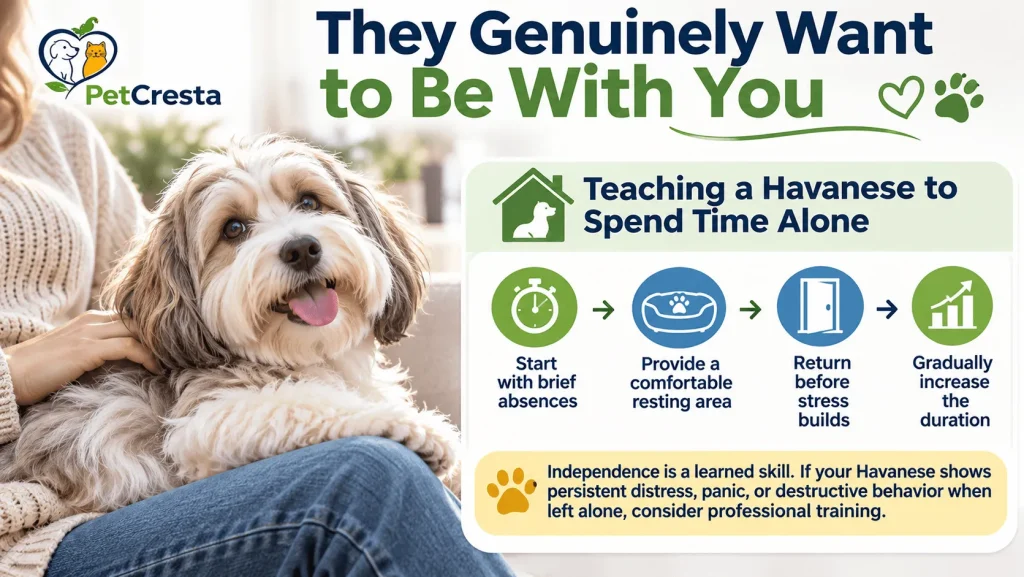
Teaching a Havanese to Spend Time Alone
Alone-time training works best when introduced gradually. Begin with brief, uneventful absences, provide a comfortable resting area, and return before the dog becomes distressed. Increase the duration as the dog becomes more comfortable.
Independence is a learned skill, not a personality test. If a Havanese shows persistent distress, panic, or destructive behavior when left alone, owners may benefit from understanding when a dog needs professional training rather than simply increasing the length of each absence.
Small Does Not Mean Inactive

A Havanese may be small, but that does not mean it wants to spend the entire day on the sofa. Regular walks, playtime, opportunities to sniff, and short training sessions help provide physical activity and mental stimulation.
Nessie has surprised us with her enthusiasm for outdoor activities. At the lake, she enjoys swimming after sticks. She is not always a reliable retriever, but she certainly enjoys trying.
We use a properly fitted canine life jacket around deeper water. A dog that enjoys swimming is not necessarily a strong swimmer, and even confident dogs need supervision around water.
Mental Stimulation Matters Too
Physical exercise is only part of the routine. Food puzzles, scent games, and short reward-based training sessions give an intelligent companion dog something constructive to do.
The amount of activity should suit the individual dog’s age, fitness, health, and energy level. Puppies, senior dogs, and dogs with medical conditions may need a different routine from healthy adults.
The Havanese Coat Changes Your Routine
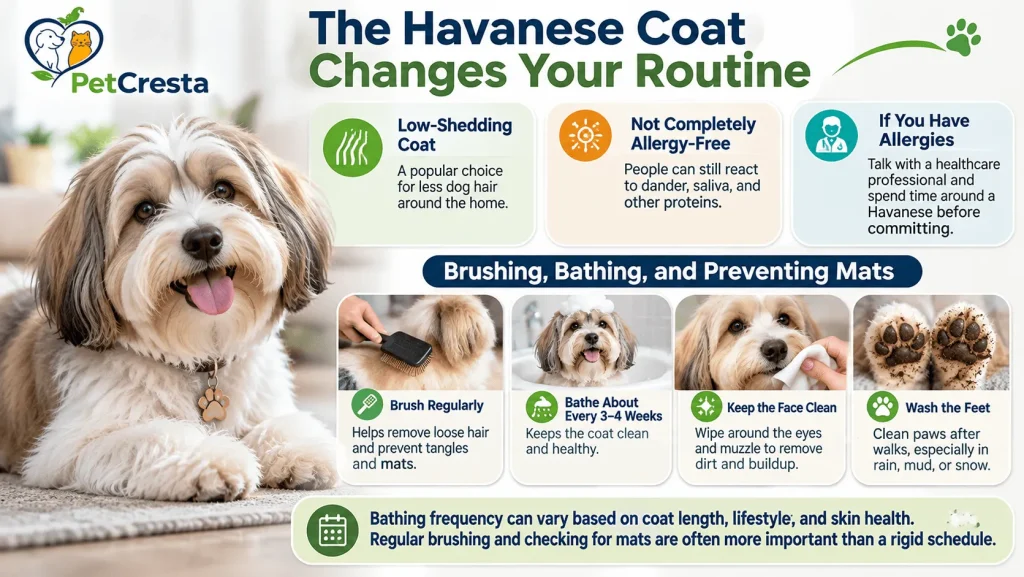
One reason families consider the Havanese is its low-shedding coat. That can be appealing to people who dislike loose dog hair around the house, but low shedding should not be confused with being completely allergy-free.
My wife has dog allergies, which influenced our decision to bring a Havanese into the family. She has not experienced problems with Nessie, although that is our individual experience rather than a guarantee for other households.
People with dog allergies can react to proteins found in dander, saliva, and other secretions. Prospective owners should discuss significant allergies with an appropriate healthcare professional and spend time around Havanese dogs before making a commitment.
Brushing, Bathing, and Preventing Mats
A low-shedding coat still requires regular maintenance. Loose hair can remain trapped in the coat and develop into tangles or mats, especially where friction occurs.
We keep Nessie’s coat relatively short, with more length on her tail. The shorter style makes daily care easier, but her tail still needs brushing to prevent tangles.
Nessie generally receives a bath every three to four weeks. We also keep her face clean and wash her feet after walks through rain, mud, or Calgary snow.
Bathing frequency varies with coat length, lifestyle, and skin health. Regular brushing and checking for mats are often more important than following a rigid bathing schedule.
Training Is Part of Companionship
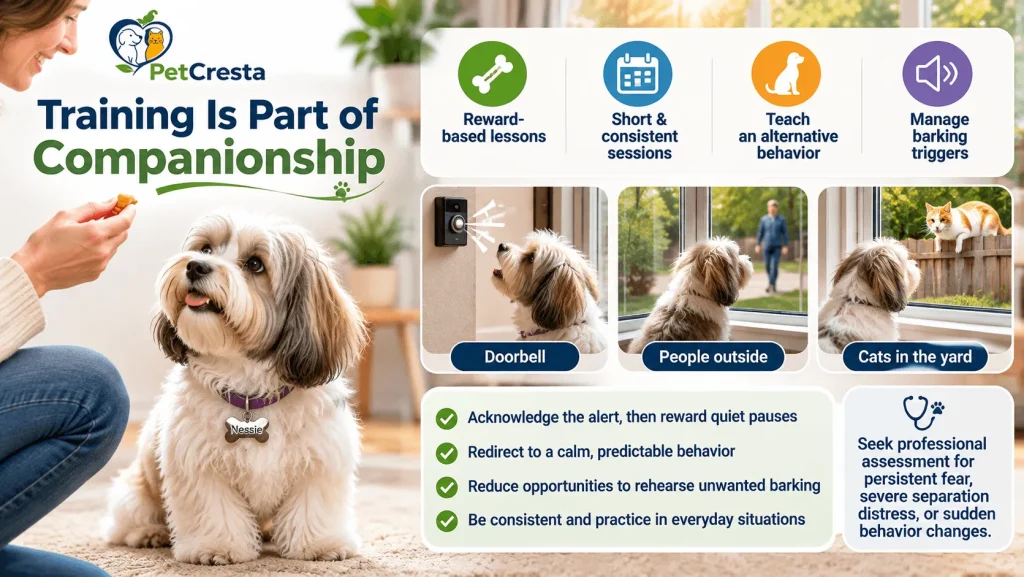
Havanese are generally attentive and capable of learning household routines, but their individual personalities still matter. Short, reward-based lessons are usually more productive than harsh corrections.
Nessie is naturally alert. She may bark at the doorbell, people passing the window, or a cat entering the yard.
We have worked on rewarding quiet pauses and giving her an alternative behavior after the initial alert. These are also useful principles of training for adult dogs, where consistency, appropriate rewards, and everyday practice matter more than harsh corrections.
It remains a work in progress, which is a more realistic description of dog training than pretending every behavior problem disappears permanently.
What About Barking and Other Everyday Behaviors?
Some Havanese bark when they notice visitors, unfamiliar sounds, or movement outside. Others are quieter. Breed tendencies can help set expectations, but they cannot predict every individual dog’s behavior.
Owners can reduce opportunities to rehearse unwanted barking, reward calm responses, and teach a predictable alternative behavior. Persistent fear, severe separation distress, or sudden behavior changes deserve professional assessment rather than punishment.
Practical Havanese Care Adds Up
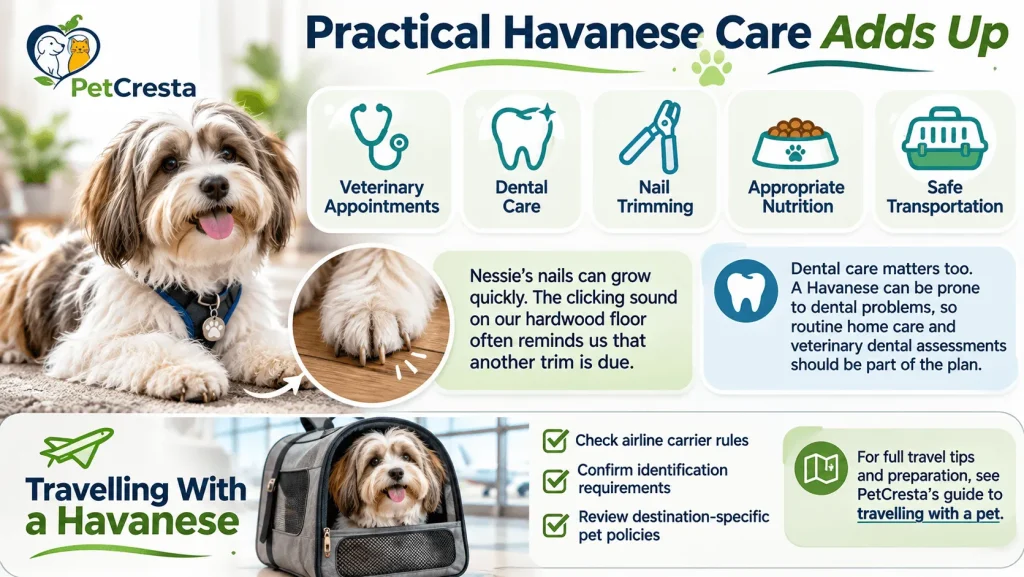
Small dogs still need regular veterinary appointments, dental care, nail trimming, appropriate nutrition, and safe transportation.
Nessie’s nails can grow quickly. Sometimes the clicking sound on our hardwood floor reminds us that another trim is due.
Dental care also deserves attention. A small dog’s mouth can develop dental problems, so routine home care and veterinary dental assessments should be part of the ownership plan.
Travelling With a Havanese
Their compact size can make Havanese convenient travel companions, although airline rules and carrier requirements vary.
We have taken Nessie on flights within Canada and the United States. Preparing her to feel comfortable in her carrier before travel made the airport experience easier than introducing an unfamiliar carrier on departure day.
Before any trip, we also check the airline’s current carrier rules, identification requirements, and destination-specific pet policies. PetCresta’s guide to travelling with a pet covers the preparation that can make journeys safer and less stressful for both dogs and their owners.
Is a Havanese Right for Your Lifestyle?
A Havanese may be a good match for someone who wants an affectionate companion, enjoys spending time with their dog, and is willing to maintain a regular grooming routine.
However, the breed may be less suitable for a household where the dog will regularly be left alone for extended periods without an appropriate care plan.
Before deciding, consider how much time you can realistically devote to companionship, exercise, training, grooming, and veterinary care.
A Havanese can adapt to different living environments, but a small home does not eliminate the need for activity, attention, and enrichment.
Final Takeaway
Living with a Havanese is affectionate, entertaining, and occasionally noisy. The experience includes brushing, muddy paws, training sessions, and a small dog that would prefer not to miss a single household event.
Gateway Havanese grew out of our life with Nessie and now collects practical information about training, health, grooming, travel, and finding breeders.
The recurring lesson behind that experience is simple: the breed is charming, but a happy relationship depends on realistic expectations and consistent daily care.
For someone who enjoys having a close canine companion and is prepared for the responsibilities, that is exactly the appeal.
FAQ’s
Living with a Havanese usually involves frequent companionship, daily walks, playtime, grooming, and training. Many enjoy staying close to their owners and participating in household activities, although individual personalities differ.
Havanese can make excellent indoor companions because of their manageable size, affectionate nature, and adaptability. They still need exercise, mental stimulation, regular grooming, and opportunities to develop independence.
Some Havanese can learn to spend time alone comfortably, but extended isolation may be difficult for dogs that strongly prefer human company. Gradual alone-time training and a suitable daily care arrangement can help.
Some Havanese are alert and vocal, especially around doorbells, visitors, or movement outside. Barking varies between individuals and can often be managed with consistent reward-based training and appropriate environmental changes.
Most healthy adult Havanese benefit from daily walks, playtime, and mental activities. The appropriate amount depends on age, physical condition, health, and individual energy level rather than one fixed exercise target.
No dog breed is guaranteed to be hypoallergenic. Havanese shed relatively little, but people may still react to allergens associated with their dander, saliva, or other secretions. Individual reactions vary.
Grooming frequency depends on coat length and texture. Longer coats generally need more frequent brushing to prevent mats, while shorter trims may be easier to maintain. Regular checks around the ears, legs, tail, and friction areas are helpful.
Many Havanese respond well to short, reward-based training sessions. Consistency, patience, and practice in everyday situations help them learn household manners, although barking and alone-time difficulties may require extra attention.
Yes. Their small size can make them suitable travel companions, and some can travel in airline-approved carriers when they meet the carrier and airline’s requirements. Owners should confirm current travel rules and introduce carrier training well before departure.
They can be a good choice for first-time owners who want an affectionate companion and are prepared for grooming, training, exercise, and veterinary responsibilities. Their small size does not make them maintenance-free.