Why Is My Cat Sneezing So Much? Signs, Causes & Vet Help
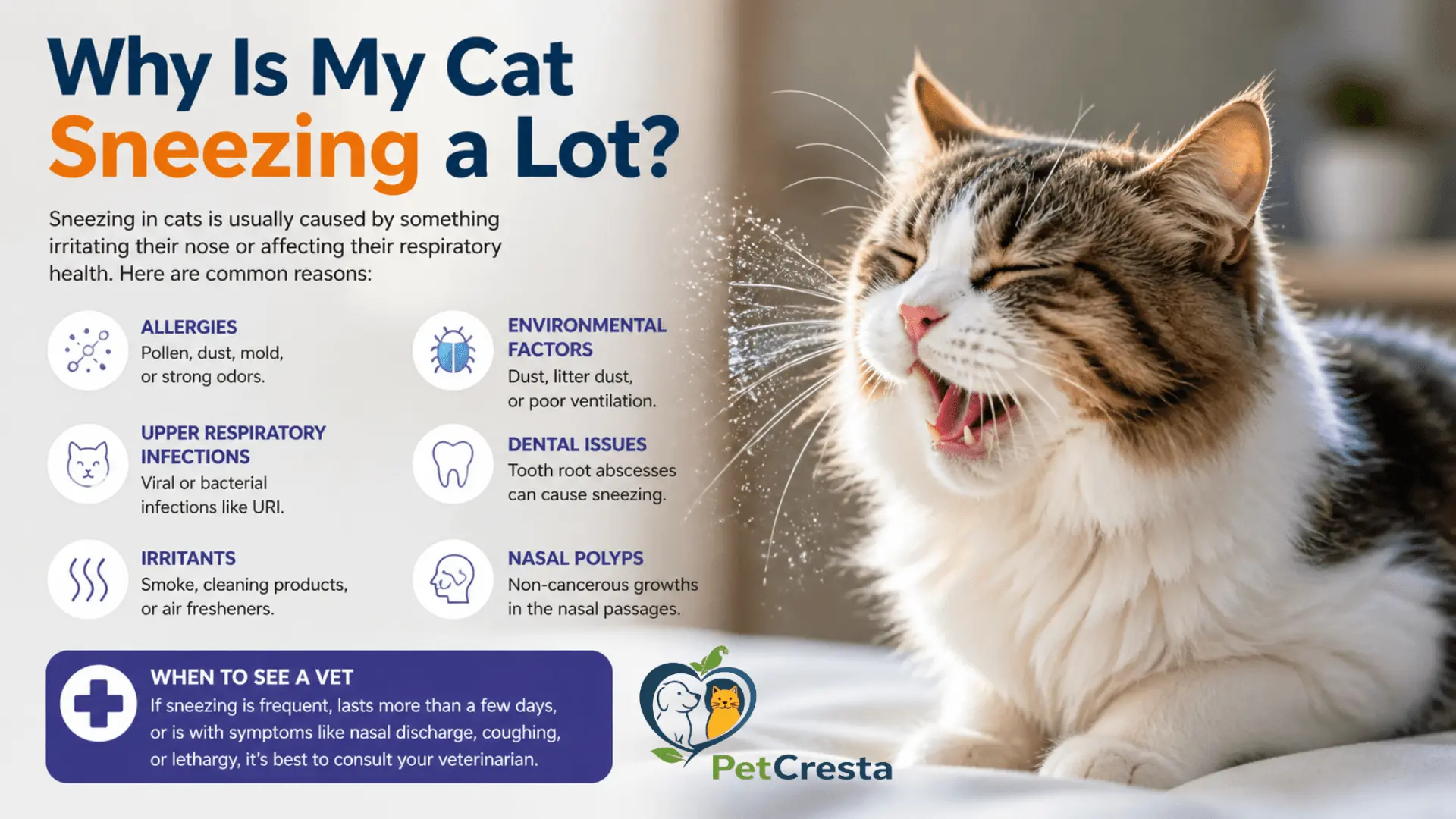
A cat may sneeze once or twice for no serious reason. Dust, a strong smell, litter particles, or a brief tickle in the nose can trigger a short burst and then pass.
The concern changes when sneezing becomes frequent, happens in repeated bursts, lasts for days, or comes with discharge, poor appetite, low energy, blood, or noisy breathing. At that point, the sneeze is no longer the only clue. The overall pattern matters.
This guide explains what cat sneezing a lot can mean, what causes are most likely, what can be watched at home, and when a veterinary visit should move higher on the list.
TL;DR
- One or two sneezes can be normal.
- A cat sneezing nonstop, sneezing repeatedly, or sneezing for days is different.
- Upper respiratory infection is a common cause, but it is not the only one.
- Nasal discharge, eye discharge, poor appetite, lethargy, blood, or breathing trouble raise concern.
- Poor appetite matters in cats. A sneezing cat that is eating less deserves closer attention.
- Kittens, senior cats, and cats with other health problems should be checked sooner.
Why Is Cat Sneezing A Lot: At A Glance
| Sneezing pattern | Common possibilities | What else to look for | The usual next step |
|---|---|---|---|
| One or two sneezes | Brief irritation | No other signs | Monitor |
| Repeated sneezing, still acting normal | Early infection, mild irritation | Appetite, energy, discharge | Watch for 24 to 72 hours |
| Sudden onset | Irritants, inhaled material | Pawing at face, new product, one side affected | Remove triggers, reassess |
| Sneezing with discharge | Infection, chronic nasal disease, and dental disease | Eye discharge, congestion, poor appetite | Book a vet visit if ongoing |
| Sneezing with reduced appetite | Congestion, infection, pain | Not finishing meals, drinking less, and low energy | Prompt veterinary advice |
| Sneezing for days or longer | Persistent infection, chronic rhinitis, and dental disease | Worsening pattern, lasting discharge | Veterinary exam |
| Sneezing with blood or one-sided signs | Foreign material, fungal disease, growth, tumor | Face swelling, pain, and noisy breathing | Urgent veterinary care |
Is It Normal For Cats To Sneeze A Lot?
An occasional sneeze can be normal. A cat may sneeze after sniffing dust, litter particles, or a strong odor and then go right back to normal.
Frequent sneezing is not considered normal. If sneezing keeps returning throughout the day, continues for several days, or comes with other changes, the problem deserves more than casual observation.
A simple way to sort it:
Usually Lower Concern
- One or two sneezes
- Normal appetite
- Normal activity
- No discharge
- Sneezing stops quickly
Higher Concern
- Cat sneezing over and over
- Sneezing every day
- Sneezing with eye or nose discharge
- Sneezing with reduced appetite or lethargy
- Sneezing that lasts for days
My Cat Keeps Sneezing A Lot: Is It Actually Sneezing?
Owners do not always describe these episodes the same way. What looks like sneezing may sometimes be coughing, gagging, wheezing, or another odd upper airway sound.
That matters because the possible causes change depending on what the cat is actually doing. A phone video can be very helpful when the episodes come and go, happen in sudden bursts, or sound unusual.
Quick Comparison
| Sound or action | What it may look like |
|---|---|
| Sneezing | Forceful burst from the nose, often several in a row |
| Coughing | Deeper sound from the throat or chest |
| Gagging or retching | Heaving motion, sometimes linked to hairballs or nausea |
| Wheezing | Breathing sound, more tied to airway narrowing than nasal irritation |
If there is any uncertainty, a video usually helps more than trying to describe the sound later from memory.
What Causes A Cat To Sneeze A Lot?
There is no single cause behind cat sneezing. Some are mild. Some need treatment. Some become more likely based on the pattern and other symptoms.
Upper Respiratory Infection
This is one of the most common reasons a cat keeps sneezing. Viral infections such as feline herpesvirus and calicivirus are common triggers. Owners often think of this as a cat cold or cat flu because the signs can look familiar.
Clues often include repeated sneezing, watery or sticky eyes, a runny nose, congestion, reduced appetite, and quieter behavior. Some cats later develop a secondary bacterial infection, which can make discharge look thicker or more colored.
Vaccination does not prevent every case, but it can reduce severity in many cats. Kittens, senior cats, and cats with weaker immune defenses often become sick more quickly.
Irritants In The Home
Some cats react to things in the air much more than owners expect. This does not always mean a true allergy. In many cases, it is a simple irritation of the nasal lining.
Common triggers include smoke, perfume, air fresheners, cleaning sprays, dusty litter, candles, grooming products, and dust stirred up during cleaning or renovation. This cause becomes more likely when sneezing starts suddenly or seems worse in one room.
Chronic Nasal Inflammation
Some cats develop chronic rhinitis, which means long-standing inflammation inside the nose. This may start after a past infection or continue as an ongoing nasal problem.
These cats may sneeze often, flare now and then, and seem fairly normal between episodes. Long-term sneezing deserves a closer look because chronic inflammation can keep recurring and can be difficult to sort from other nasal diseases.
Dental Disease
The upper teeth and the nasal passages sit close together. Disease in the upper teeth or surrounding tissues can sometimes affect the nearby nasal area.
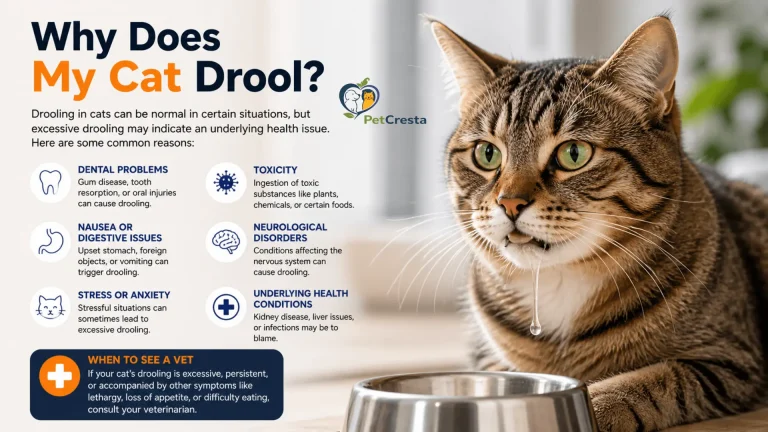
Signs that support this possibility include bad breath, drooling, chewing on one side, dropping food, reluctance to eat hard food, or mouth sensitivity. If sneezing appears with mouth discomfort or saliva changes, why does my cat drool can help explain when drooling may point toward dental pain, nausea, or another health issue. If sneezing and oral signs show up together, dental disease should stay on the list.
Foreign Material In The Nose
A cat that starts sneezing in sudden, forceful bursts may have something irritating the nasal passage. Plant material, debris, or fine particles can trigger intense sneezing. If a cat sneezes after chewing or sniffing houseplants, are monsteras toxic to cats is worth checking because plant exposure can raise more than one concern.
Clues include sudden onset, repeated bursts, pawing at the face, one-sided discharge, and obvious discomfort. This is one reason sudden sneezing should not always be brushed off.
Polyps, Growths, Or Tumors
Nasal polyps are benign tissue growths, while other growths may be more serious. Tumors are less common than infection or irritation, but they still matter, especially in chronic or one-sided cases.
Concern rises when sneezing is paired with blood from one nostril, face swelling, noisy breathing, persistent worsening, or signs that clearly affect one side more than the other.
Less Common Infections
Not every sneezing cat has a simple upper respiratory infection. Some cases involve fungal disease, such as Cryptococcus or other less common infections that need a different workup.
These are considered more serious when sneezing lasts a long time, does not respond to basic care, becomes one-sided, or is paired with swelling, bleeding, or a clear drop in condition.
Cause Comparison
| Cause | Typical pattern | Common clues | Concern level |
|---|---|---|---|
| Viral upper respiratory infection | Repeated sneezing for hours to days | Eye discharge, runny nose, congestion | Can start mild, may worsen |
| Secondary bacterial infection | Sneezing with ongoing discharge | Thick yellow or green discharge | Needs veterinary guidance |
| Irritants | Sudden sneezing after exposure | Smoke, sprays, dusty litter | Often mild if brief |
| Chronic rhinitis | Ongoing or recurring sneezing | Long duration, flare pattern | Needs assessment if persistent |
| Dental disease | Sneezing with oral changes | Bad breath, drooling, and chewing trouble | Needs exam |
| Foreign material | Sudden sneezing fits | Pawing at face, one side affected | Prompt attention helpful |
| Polyp or growth | Chronic or one-sided sneezing | Noisy breathing, worsening pattern | More concerning |
| Tumor | Persistent or one-sided signs | Blood, swelling, weight loss | High concern |
| Fungal infection | Lasting or unusual sneezing | Swelling, one-sided discharge, poor response | Needs workup |
Can Cats Get Colds Or Cat Flu?
Cats do not catch human colds, but they can develop upper respiratory infections that cause very similar signs. Many owners describe this as cat flu because the problem often affects the nose, eyes, and throat at the same time. Common signs include sneezing, nasal discharge, eye discharge, congestion, reduced appetite, fever, and lower energy.
These infections can spread from one cat to another, especially in multi-cat homes, shelters, boarding settings, or other places where cats have close contact. Kittens, older cats, and cats with weaker immune systems often become sicker more quickly than a healthy adult cat.
Vaccination does not stop every case, but it can reduce how severe the illness becomes. A vaccinated cat may still get sick, but the signs are often milder and easier to manage.
Cat Sneezing But Otherwise Acting Normal
A cat may still seem bright, active, and fairly normal even when a mild problem is starting. This can happen with an early upper respiratory infection, a brief environmental trigger, mild irritation from dust or scent exposure, or low-grade chronic nasal inflammation. In the early stage, sneezing may appear before eye discharge, nasal discharge, appetite change, or obvious congestion.
Normal behavior can be reassuring, but it does not always mean the cause is harmless. Cats often continue eating, moving around, and acting comfortable even while the problem is developing. If sneezing keeps returning, lasts beyond a short window, or starts to come with discharge, congestion, or reduced appetite, the situation deserves a closer look.
What To Watch Over The Next 24 To 72 Hours
- Sneezing is becoming more frequent
- Eye or nose discharge is starting
- Appetite is dropping, even slightly
- Energy level is lower than usual
- Congestion or noisy breathing is developing
- Sneezing keeps returning throughout the day
- The pattern continues beyond a short period
Usually Reasonable To Monitor Briefly
- The cat is bright and alert
- Appetite is normal
- No discharge is present
- Breathing looks normal
- Sneezing is mild and not worsening
Book A Vet Visit If The Pattern Continues
- Sneezing lasts for several days
- Episodes become stronger or more frequent
- Discharge appears
- Appetite or activity drops
- The cat is a kitten, a senior, or has other health problems
Why Is My Cat Sneezing All Of A Sudden?
When a cat suddenly starts sneezing, timing is useful. A recent change often gives the best clue.
Think about new litter, cleaners, candles, sprays, smoke, dust, or renovation debris. Also watch for pawing at the face, outdoor exposure, and signs that seem worse on one side.
A sudden pattern may point to irritation from something inhaled, a new environmental trigger, foreign material in the nose, or the early stage of infection.
Cat Sneezing More Than Usual: What the Pattern Means
The pattern often tells you more than the sneeze itself.
Cat Sneezing Repeatedly
Repeated sneezing usually means the nose is actively irritated or inflamed. This pattern fits infection, environmental irritation, and several other nasal problems better than a harmless one-off sneeze.
Cat Sneezing Multiple Times In A Row
Sneezing in bursts may happen when something is actively bothering the nasal passages. If this comes with pawing at the face, one-sided discharge, or obvious distress, the concern goes up.
Cat Sneezing Constantly
A cat that seems to be nonstop sneezing or near-nonstop sneezing is no longer in the “just monitor casually” category. Persistent episodes deserve closer attention, especially if they are happening more than once a day or return every day.
What If My Cat Has Been Sneezing For 2 Days, 3 Days, A Week, Or Months
Duration changes the meaning of the problem.
| Duration | What it may mean | What to do |
|---|---|---|
| 2 days | Mild irritation or early illness may still be possible | Monitor closely if otherwise normal |
| 3 days | No longer just a random sneeze | Watch for discharge, appetite loss, or worsening |
| 1 week | More likely that a veterinary exam is needed | Schedule a visit |
| Weeks to months | Chronic issue, dental disease, ongoing inflammation, or structural problem | Full exam and deeper evaluation |
My Cat Has Been Sneezing For 2 Days
This can still fit a mild, short-lived issue. The key question is whether anything else is changing.
If the cat still has a normal appetite, normal activity, and no discharge, a short period of close observation may be reasonable.
My Cat Has Been Sneezing For 3 Days
At this point, the pattern is harder to dismiss as nothing. If frequency is rising or discharge is appearing, contacting the vet becomes more reasonable.
A cat that seems stable can still need an exam if the sneezing is clearly not settling.
My Cat Has Been Sneezing For A Week
A week of ongoing sneezing deserves an exam, even if the cat still seems mostly comfortable.
By this point, simple irritation is less convincing, and infection, chronic inflammation, dental disease, or a deeper nasal problem becomes more relevant.
My Cat Has Been Sneezing For Months
A chronic pattern needs a broader look. Long-standing sneezing may point toward chronic rhinitis, recurrent infection, dental disease, fungal disease, polyp, or another structural problem in the nose.
One-sided signs, bleeding, swelling, and weight loss deserve even faster evaluation in a long-term case.
Warning Signs That Matter Most
These red flags deserve closer attention and should not be brushed off.
Warning Signs That Deserve Faster Action
- Thick yellow, green, brown, or bloody discharge: This can point to infection, deeper inflammation, fungal disease, foreign material, or a more serious nasal problem.
- Reduced eating or drinking: Cats can decline quickly when they stop eating, especially if congestion is affecting their smell and interest in food.
- Weight loss: Ongoing sneezing with weight loss raises more concern for chronic illness, dental disease, fungal infection, or a growth.
- Breathing difficulty: Labored breathing, open-mouth breathing, or obvious respiratory effort needs urgent attention.
- Face swelling: Swelling around the nose, muzzle, or face can suggest dental disease, infection, trauma, fungal disease, or a mass.
- One-sided discharge: Signs that affect one nostril more than the other can include foreign material, dental disease, polyps, fungal disease, or tumors.
- Bad breath or sneezing linked to eating: This pattern can make dental disease more likely, especially if chewing seems uncomfortable.
- Pain: A painful cat may hide, resist face handling, paw at the nose, or show discomfort while eating or breathing.
- Rapid worsening: A problem that is clearly getting worse over a short time should not be handled with prolonged home monitoring.
Cat Sneezing With No Other Symptoms Vs Warning Signs
This is one of the easiest ways to sort a lower-concern pattern from a higher-concern one.
| Lower-concern pattern | Higher-concern pattern |
|---|---|
| No discharge | Nose or eye discharge |
| Normal appetite | Reduced eating or drinking |
| Normal energy | Lethargy |
| Sneezing stops quickly | Sneezing keeps returning |
| No face pawing | Pawing at the face or obvious discomfort |
| No breathing changes | Congestion or harder breathing |
| No blood | Bloody discharge |
| Same on both sides or hard to tell | One-sided signs or facial swelling |
Cat Won’t Stop Sneezing: When To Call The Vet
A cat that will not stop sneezing should not be watched casually for too long. When sneezing keeps happening, becomes more frequent, or starts coming with discharge, poor appetite, low energy, or breathing changes, a veterinary visit becomes the safer next step.
Book A Vet Visit Soon If:
- The sneezing lasts more than a couple of days
- The sneezing is getting more frequent
- Your cat has eye or nose discharge
- appetite or activity has dropped
- Your cat is a kitten, a senior, or has other health issues
Seek Urgent Care If:
- Breathing is labored
- Your cat is not eating or drinking
- There is repeated bleeding from the nose
- The face looks swollen
- Your cat seems weak, painful, or rapidly worse
Kittens deserve special care here. They can decline faster than healthy adult cats, especially if congestion affects eating.
What You Can Do At Home First
You do not need to guess the diagnosis to take a few safe first steps.
Helpful Steps
- remove strong scent triggers if possible
- avoid smoke exposure
- pause heavily scented sprays and cleaners
- consider whether dusty litter may be part of the problem
- offer fresh water
- offer palatable food if mild congestion seems to be reducing interest in eating
- Keep a note of when the sneezing happens
- Record a video if you can
What Not To Do
- Do not give human cold medicine
- Do not wait too long if the sneezing is building
- Do not assume it is only allergies
- Do not try to remove something from the nose yourself
- Do not ignore a lower appetite in a cat
What The Vet May Check
A veterinary visit still starts with the basics. The history, exam, and overall pattern often point the workup in the right direction. The vet will usually ask how long the sneezing has been happening, whether it is getting worse, whether discharge is present, whether the cat is eating normally, whether one side seems more affected, and whether anything has changed at home.
The physical exam may include the nose, eyes, mouth, teeth, breathing, hydration, and body condition. If the pattern looks mild and straightforward, the next step may stay simple.
If sneezing is persistent, one-sided, bloody, painful, or not improving, the workup may go further. Depending on the case, that can include bloodwork, dental assessment, head or chest X-rays, or advanced imaging such as CT. Some cats also need rhinoscopy, which uses a small camera to look inside the nasal passages while the cat is under anesthesia.
A nasal flush may be used to clear debris or help with diagnosis, and biopsies or other samples may be collected if fungal disease, chronic inflammation, or a tumor is a concern. In some cases, a vet may also use treatment trials to see how the cat responds before moving to referral testing.
How Treatment Depends On The Cause
Treatment depends on what is actually driving the sneezing. There is no single fix that works for every cat, because the best approach changes with the underlying cause. Some problems need supportive care and time, while others need a more targeted plan from the vet.
Viral infections are often managed with supportive care, and some cases may need antiviral treatment. Secondary bacterial infection may call for antibiotics when the exam and overall picture support that choice. Fungal infection needs antifungal treatment rather than routine infection care.
Chronic rhinitis is often managed by controlling symptoms and reducing flare-ups rather than expecting a simple permanent cure. Dental disease may need dental treatment or tooth extraction when diseased teeth or nearby tissue are contributing to the problem. Foreign material in the nose usually needs removal.
Polyps may need removal, sometimes followed by further treatment depending on the case. Tumors need a deeper workup and a treatment plan based on what the mass is, how far it extends, and how the cat is doing overall. That is why cat sneezing treatment is not one single thing. The right plan depends on the cause behind the sneezing.
Cause Of Treatment Overview
| Cause | General treatment direction |
|---|---|
| Viral infection | Supportive care, sometimes antiviral treatment |
| Secondary bacterial infection | Antibiotics when appropriate |
| Fungal infection | Antifungal treatment |
| Chronic rhinitis | Symptom control and long-term management |
| Dental disease | Dental treatment or extraction if needed |
| Foreign material | Removal |
| Polyp | Removal and follow-up care when needed |
| Tumor | Deeper workup and treatment planning |
Can Other Cats Catch What Is Causing the Sneezing?
Sometimes yes. If the cause is an upper respiratory infection, it may spread more easily in a multi-cat home or anywhere cats have close contact.
This matters more when a new cat has joined the home, the cat has recently boarded, there was shelter exposure, or more than one cat is starting to sneeze.
Not every cause is contagious. Irritants, dental disease, foreign material, polyps, and many tumors do not spread from one cat to another.
Practical Steps Can Include:
- Giving the sneezing cat its own space for now
- Using separate food and water bowls if advised
- Washing hands after handling cats
- Cleaning shared surfaces and bedding
- Speaking to the vet if more than one cat is affected
How to Reduce Future Sneezing Episodes
Not every case can be prevented, but some triggers are easy to improve.
Helpful Prevention Habits
- reduce smoke exposure
- Limit strong fragrances and sprays
- Use cleaners carefully around cats
- Choose a lower-dust litter if needed
- Stay on top of dental care
- pay attention to repeat triggers in one room or after one product
- Get recurring sneezing checked earlier instead of waiting months
A cat that repeatedly sneezes after the same exposure may be giving you a useful clue.
Conclusion
A random sneeze is usually not a major concern. Repeated sneezing is different.
When sneezing becomes frequent, keeps happening, or comes with discharge, appetite loss, congestion, blood, or behavior changes, it deserves more attention. Upper respiratory infection is common, but it is not the only possibility. Irritants, chronic nasal inflammation, dental disease, foreign material, fungal disease, and more serious nasal problems can all be part of the picture.
When the cause is not obvious, focus on the pattern. How often it happens, how long it has been going on, whether anything changed, and whether other symptoms are starting all help guide the next step.
FAQ’s
A cat that keeps sneezing usually has ongoing irritation or inflammation inside the nose rather than a one-time trigger. Common reasons include upper respiratory infection, smoke or fragrance exposure, dusty litter, chronic rhinitis, dental disease, or something stuck in the nasal passage. The pattern matters most when sneezing continues for days or starts coming with discharge, congestion, or reduced appetite.
A cat may still act normally early in an infection or during a mild irritation episode. That is why a normal attitude does not fully rule out a developing problem. If the cat keeps eating, stays active, and has no discharge, short-term monitoring may be reasonable, but the pattern still deserves attention if it continues.
This pattern deserves more concern than sneezing alone. Cats rely heavily on smell to stay interested in food, so congestion from nasal disease can quickly reduce appetite. Infection, pain, fever, dental disease, and more serious nasal problems can all be involved, and a cat that is not eating should usually be assessed promptly.
Blood with sneezing is not something to dismiss. It can happen with severe irritation, foreign material, dental disease, fungal disease, nasal growths, or tumors, especially when one side is more affected than the other. A cat sneezing blood should be examined promptly, particularly if swelling, pain, or breathing changes are also present.
Constant sneezing suggests ongoing nasal irritation or inflammation. If it is not settling quickly or other symptoms are appearing, your cat should be checked.
References