
How To Plan A Dream Holiday And Bring The Feeling Home

Every household has a holiday sitting somewhere on the “one day” list. Perhaps it’s a quiet week beside the sea, a city you’ve wanted to explore for years, or a family adventure that always seems just out of reach.
The good news? You don’t need an unlimited budget or a perfectly organized life to start making plans.
A dream holiday begins with understanding what you want, choosing somewhere that suits your circumstances, and making sensible decisions about money and time. And once you’re home, a few thoughtful touches can keep those lovely holiday memories close.
Here’s how to plan a trip worth looking forward to and bring some of that experience into everyday life.
Start With The Feeling, Not The Destination

Before comparing flights or scrolling through beautiful hotel photographs, think about what you want your holiday to feel like.
Do you need a proper rest? Are you hoping to explore somewhere completely unfamiliar? Or would you simply enjoy spending uninterrupted time with your family?
Your answer can make destination planning considerably easier.
Choose a Holiday Theme That Suits You
Start with the kind of experience you’re hoping for.
| Holiday theme | Suitable destinations | What to prioritize |
|---|---|---|
| Slow and restful | Beaches, countryside retreats, lakeside cabins | Comfort, privacy, relaxation |
| Active and outdoors | Mountains, national parks, coastal trails | Activities, equipment, weather |
| City and culture | Historic cities, cultural capitals | Museums, local food, walkability |
| Family focused | Family resorts, accessible coastal towns | Easy transport, suitable accommodation |
| Romantic escape | Quiet islands, boutique countryside stays | Atmosphere, privacy, shared experiences |
There’s no need to choose the destination everyone else is talking about.
A peaceful cottage might suit you better than an expensive resort. A nearby city could provide more enjoyment than a long-haul journey that leaves everyone exhausted.
Match Your Destination to Your Budget and Time
Once you know your preferred holiday style, consider how much time and money you can realistically spend.
A three-day break works best when travel doesn’t consume most of your available time. Longer trips offer more room for distant destinations, although flights and accommodation can quickly increase the overall cost.
Check seasonal weather, transport options, entry requirements, and local expenses before making a final choice. If you’re planning a holiday with your dog or cat, remember to check pet-friendly accommodation, transport policies, and destination-specific requirements. Our guide to travelling with a pet covers important preparations to help make the journey more comfortable for both you and your companion.
The best destination is one that feels exciting without creating financial or logistical stress.
Dreaming Big Without Losing Your Footing
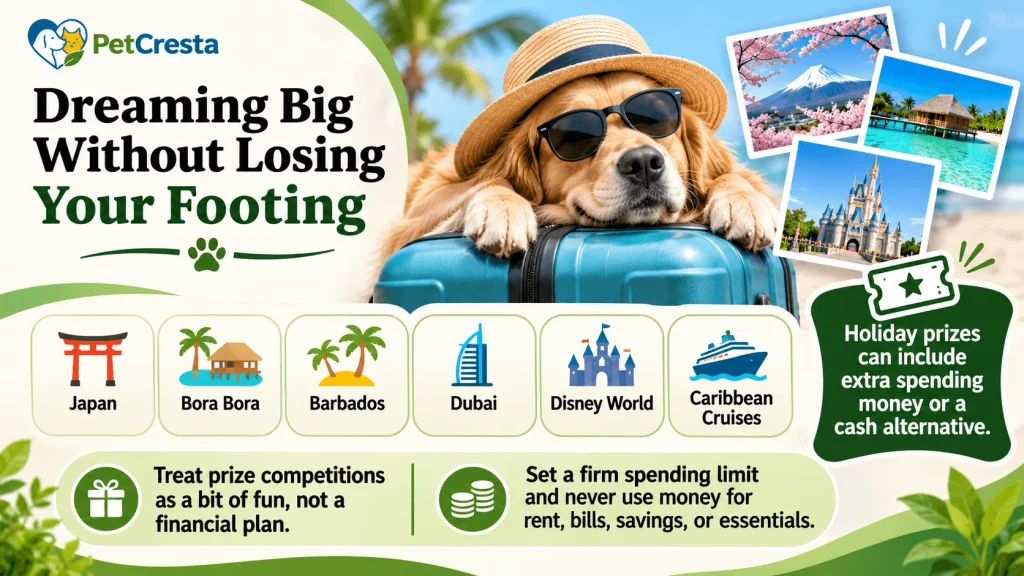
There’s something enjoyable about imagining a holiday where money isn’t a concern.
Maybe it’s Japan during cherry blossom season, a villa overlooking turquoise water, or taking the children to a theme park they’ve talked about for years.
Even when those experiences seem financially distant, daydreaming can help identify what matters most.
Some people also enjoy the possibility of winning an experience through a prize competition.
For readers curious about opportunities to win a holiday, BOTB, a UK competition company, advertises holiday prizes through its Lifestyle Competition.
Its published holiday offerings have included destinations such as Japan, Bora Bora, Barbados, Dubai, Disney World, and Caribbean cruises. Some prizes have included additional spending money or a cash alternative.
The company’s holiday page advertises entry options starting from 50p, although ticket prices, available prizes, eligibility, and competition schedules can change. Always check the individual competition’s current rules before participating.
Enjoy the Possibility Without Relying on It
Prize competitions should remain an optional form of entertainment, not part of your financial plan.
Paying for an entry does not guarantee a holiday, and the chances of winning depend on the competition’s rules and entries.
Set a firm spending limit if you choose to participate. Never use money intended for rent, bills, savings, or essential household expenses.
A holiday you’ve saved for might take longer to arrange, but it gives you far more control over where you go and what you spend.
Build a Dream Holiday Budget That Holds Up
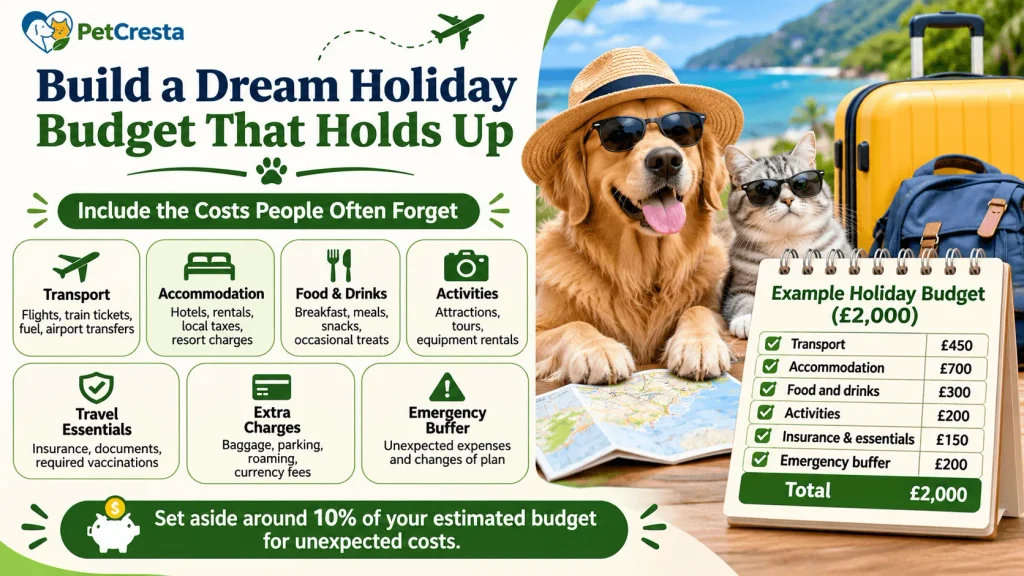
A beautiful destination can lose some of its appeal when unexpected expenses begin appearing.
Flights and accommodation usually receive the most attention, but smaller costs can make a substantial difference.
The simplest approach is to calculate what you can afford before committing to bookings.
Include the Costs People Often Forget
Your travel budget should cover the complete journey, not just the headline price.
| Expense | What to include |
|---|---|
| Transport | Flights, train tickets, fuel, airport transfers |
| Accommodation | Hotels, rentals, local taxes, resort charges |
| Food and drinks | Breakfast, meals, snacks, occasional treats |
| Activities | Attractions, tours, equipment rentals |
| Travel essentials | Insurance, documents, required vaccinations |
| Extra charges | Baggage, parking, roaming, currency fees |
| Emergency buffer | Unexpected expenses and changes of plan |
As a starting point, consider reserving around 10% of your estimated budget for unexpected costs. You may need more for destinations with expensive transport or limited flexibility.
Example of a Simple Holiday Budget
Imagine you’ve set aside £2,000 for a trip.
| Expense | Example allocation |
|---|---|
| Transport | £450 |
| Accommodation | £700 |
| Food and drinks | £300 |
| Activities | £200 |
| Insurance and other essentials | £150 |
| Emergency buffer | £200 |
| Total | £2,000 |
These are illustrative amounts, not destination-specific price estimates.
The point is to give every expense a place before you travel.
If accommodation costs more than expected, you can reconsider activities or transport without discovering too late that you’ve exceeded your budget.
Plan the Trip, Then Leave Room to Wander
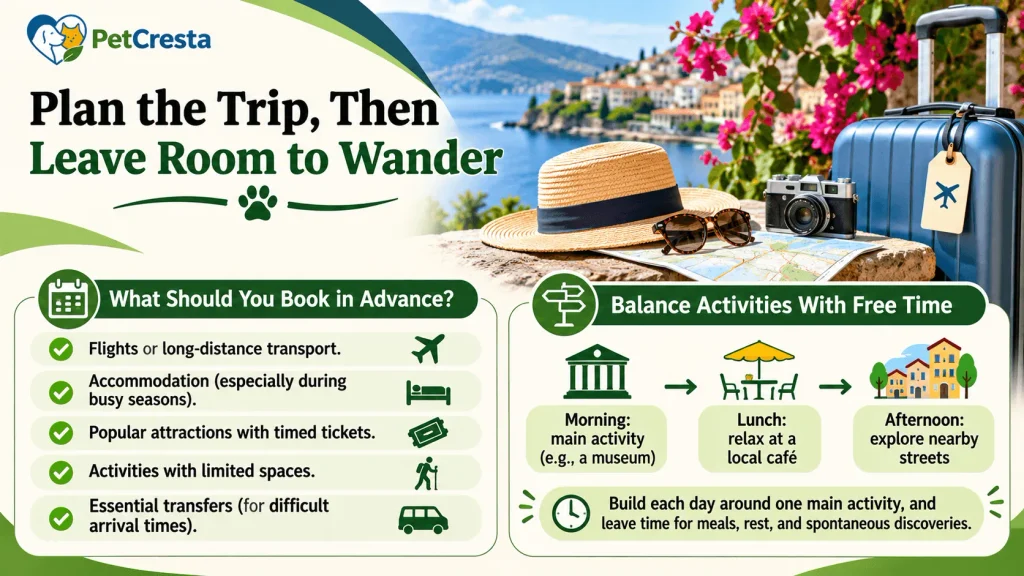
A good itinerary provides structure without turning a holiday into another demanding schedule.
Nobody wants to return home feeling they need a second holiday just to recover.
Book the arrangements that matter most, then leave some flexibility for unexpected discoveries.
What Should You Book in Advance?
Prioritize arrangements that may become unavailable or expensive closer to departure.
These usually include:
- Flights or long-distance transport.
- Accommodation, particularly during busy seasons.
- Popular attractions requiring timed tickets.
- Activities with limited spaces.
- Essential transfers for difficult arrival times.
Once those are settled, you can plan the smaller details without putting too much pressure on every day.
Balance Activities With Free Time
Try building each day around one main activity rather than an exhausting list.
A morning museum visit might be followed by lunch at a local café and an afternoon exploring nearby streets.
For families, allow extra time for meals, rest, and changes in mood. Children rarely care whether an itinerary looks impressive on paper.
Some of the happiest holiday moments happen when nothing particularly important was planned.
Why People Enjoy Holiday Prize Draws

For some people, imagining an extraordinary holiday is part of the fun. Prize competitions provide another way to engage with that possibility, although participation comes with costs and uncertainty.
BOTB’s guide to online giveaways explains its general entry process: participants select a competition, choose their entry amount, complete checkout, and enter according to the competition’s published rules.
The company also describes a social community around competitions. Some participants, often called “compers,” exchange experiences, discuss competitions, and celebrate successful entries.
That community element may appeal to people who enjoy the activity independently of the prize itself.
Check the Rules Before Entering
Before spending money, read the current terms rather than relying on promotional headlines.
Check the entry requirements, closing date, eligibility, prize inclusions, potential cash alternatives, and how the winner is determined.
You should also understand whether any additional costs would fall to you if you won.
The important distinction is simple: a prize draw offers a possibility, while a savings plan gives you a dependable way to work toward a holiday.
If participating stops feeling enjoyable or affects your finances, stepping away is the sensible choice.
Bring the Holiday Feeling Home
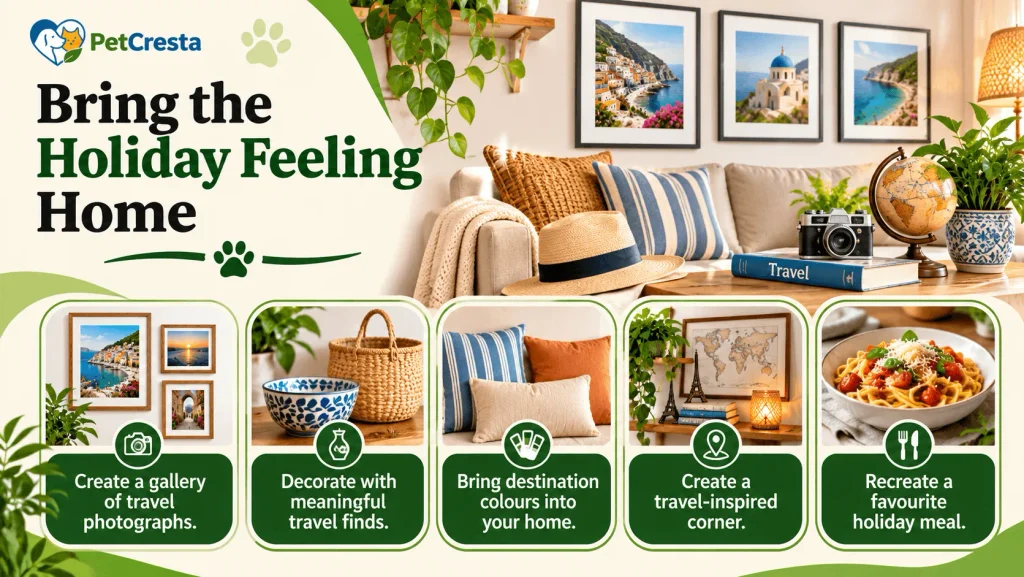
A holiday doesn’t have to disappear from everyday life once the suitcases are unpacked.
The places you visit can influence how you decorate, cook, relax, and spend time with your family.
You don’t need to redesign an entire room to recreate a little of that atmosphere. Often, the smallest changes feel the most personal. If you’re looking for simple ways to refresh your living space, explore PetCresta’s home décor ideas for inspiration. From thoughtful decorative touches to practical room updates, small changes can help you recreate the atmosphere of your favourite holiday destination.
Create a Gallery of Travel Photographs
Those photographs sitting on your phone deserve more than an occasional scroll.
Choose a handful of favourites and arrange them in simple frames. A small gallery wall in the hallway, living room, or bedroom can become a lasting reminder of the journey.
Mix scenic views with photographs of people, local details, and unexpected moments.
Matching frames create a tidy appearance, while different sizes can give the display a more relaxed character.
Decorate With Meaningful Travel Finds
A ceramic bowl from a local market, a handmade basket, or a small piece of artwork can give a room a personal connection to somewhere you’ve visited.
Choose objects you genuinely love rather than buying souvenirs simply because they’re available.
When bringing home natural materials, plants, or wooden items, check applicable customs and import restrictions.
The most meaningful keepsakes are usually those that remind you of a particular place or experience.
Bring Destination Colours Into Your Home
Think about the colours that stood out during your trip.
A seaside holiday might inspire sandy neutrals, soft blues, and natural textures.
A Mediterranean city break could suggest terracotta, olive green, and warm cream.
You can introduce these colours through cushions, throws, table linens, or a small decorative piece.
There’s no need to repaint the whole house. A few carefully chosen details can change the atmosphere without creating a major decorating project.
Create a Travel-Inspired Corner
Choose a shelf, side table, or quiet corner for a small collection of meaningful items.
You might display:
- A favourite travel photograph.
- A book about somewhere you’ve visited.
- A handmade souvenir.
- A map or postcard.
- A small decorative object that reflects the destination.
Keep the arrangement simple so each item has enough space to be appreciated. Soft lighting can make your travel-inspired corner feel like a relaxing hotel retreat. A well-placed wall light creates a comfortable atmosphere without taking up valuable shelf or table space. If you share your home with animals, our guide to wall sconces for a home with pets offers practical ideas for choosing lighting that suits your room and household.
Recreate a Favourite Holiday Meal
Food has a wonderful way of bringing memories back.
Try preparing a dish you enjoyed while travelling. It could be fresh pasta from an Italian holiday, a fragrant curry discovered abroad, or a simple breakfast associated with a favourite hotel.
Use familiar ingredients where possible, and make the experience enjoyable rather than trying to reproduce every detail perfectly.
A relaxed dinner with family can bring back the feeling of a trip without leaving your kitchen.
Make Your Next Dream Holiday Easier to Plan
Every journey teaches you something useful.
Perhaps you discovered that travelling with less luggage makes everything easier. Maybe booking accommodation near public transport saved money, or leaving your afternoons free made the trip more enjoyable.
Keep those lessons somewhere you’ll actually find them.
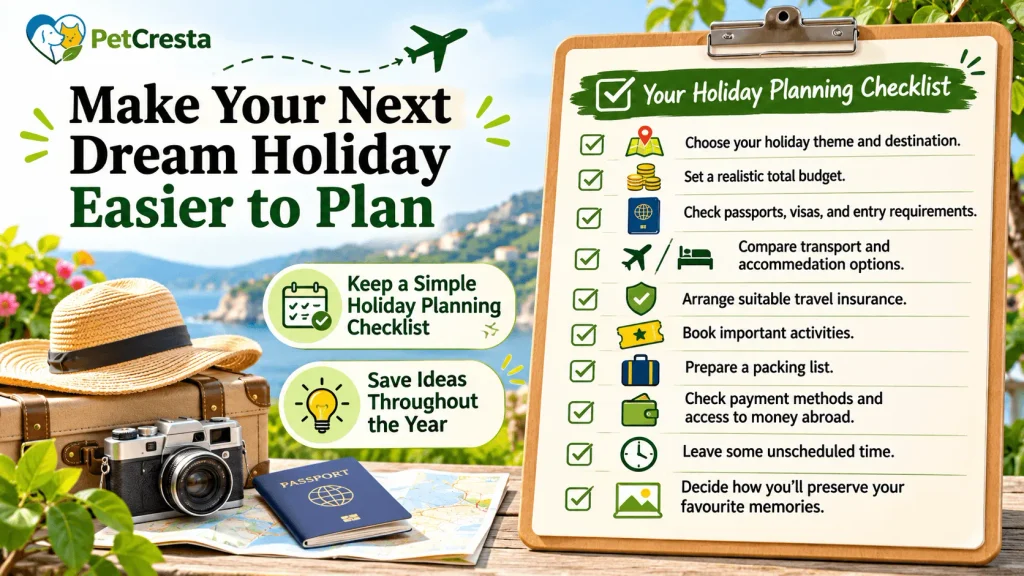
Keep a Simple Holiday Planning Checklist
Use this checklist before your next departure:
- Choose your holiday theme and destination.
- Set a realistic total budget.
- Check passports, visas, and entry requirements.
- Compare transport and accommodation options.
- Arrange suitable travel insurance.
- Book important activities.
- Prepare a packing list.
- Check payment methods and access to money abroad.
- Leave some unscheduled time.
- Decide how you’ll preserve your favourite memories.
You can adapt the list for short breaks, international holidays, or family trips.
Save Ideas Throughout the Year
Keep a note on your phone containing places you’d like to visit, recommended restaurants, interesting attractions, and accommodation ideas.
When a suitable travel opportunity comes along, you’ll already have a useful starting point.
You might also create a separate savings goal for your next holiday. Even modest, regular contributions can make future plans easier to manage.
Final Takeaway
Learning how to plan a dream holiday starts with deciding what kind of experience you want and building a realistic path toward it.
Choose a destination that suits your time and finances, plan the essentials, and leave enough freedom to enjoy the unexpected moments.
If you enjoy imagining the possibility of a competition prize, treat it as entertainment rather than a substitute for saving.
And when the holiday ends, bring a little of it home through photographs, meaningful keepsakes, favourite meals, and simple decorating ideas.
You don’t need to travel constantly to enjoy those memories. Sometimes the feeling stays with you through the smallest details.
Your next adventure begins with a little planning and a place you’d love to explore.
Frequently Asked Questions
Start by deciding what you want from the trip, such as relaxation, adventure, culture, or family time. Set a realistic budget, choose a suitable destination, and research travel costs before making bookings.
The amount depends on your destination, length of stay, travel style, and number of travellers. Estimate transport, accommodation, meals, activities, insurance, and other expenses. Consider keeping an emergency buffer of around 10% or more, depending on your circumstances.
A short domestic break may need only a few weeks of planning. International trips, peak-season travel, and complicated family holidays often benefit from several months of preparation. Passport, visa, and availability requirements may affect your timeline.
Consider travelling outside peak seasons, choosing affordable accommodation, using public transport, and focusing on free or low-cost attractions. A shorter holiday closer to home can also be enjoyable without creating unnecessary financial pressure.
Start with arrangements that determine the rest of your trip, usually transport and accommodation. Book popular attractions and essential transfers when availability is limited. Check cancellation terms before committing.
Some legitimate competitions award holiday prizes, but entering does not guarantee a win. Read the official rules, eligibility requirements, costs, and prize conditions before participating. Never rely on a potential competition win to finance travel.
Display travel photographs, decorate with meaningful souvenirs, introduce destination-inspired colours, and recreate meals you enjoyed abroad. Small changes often provide a more personal reminder of your holiday than expensive renovations.